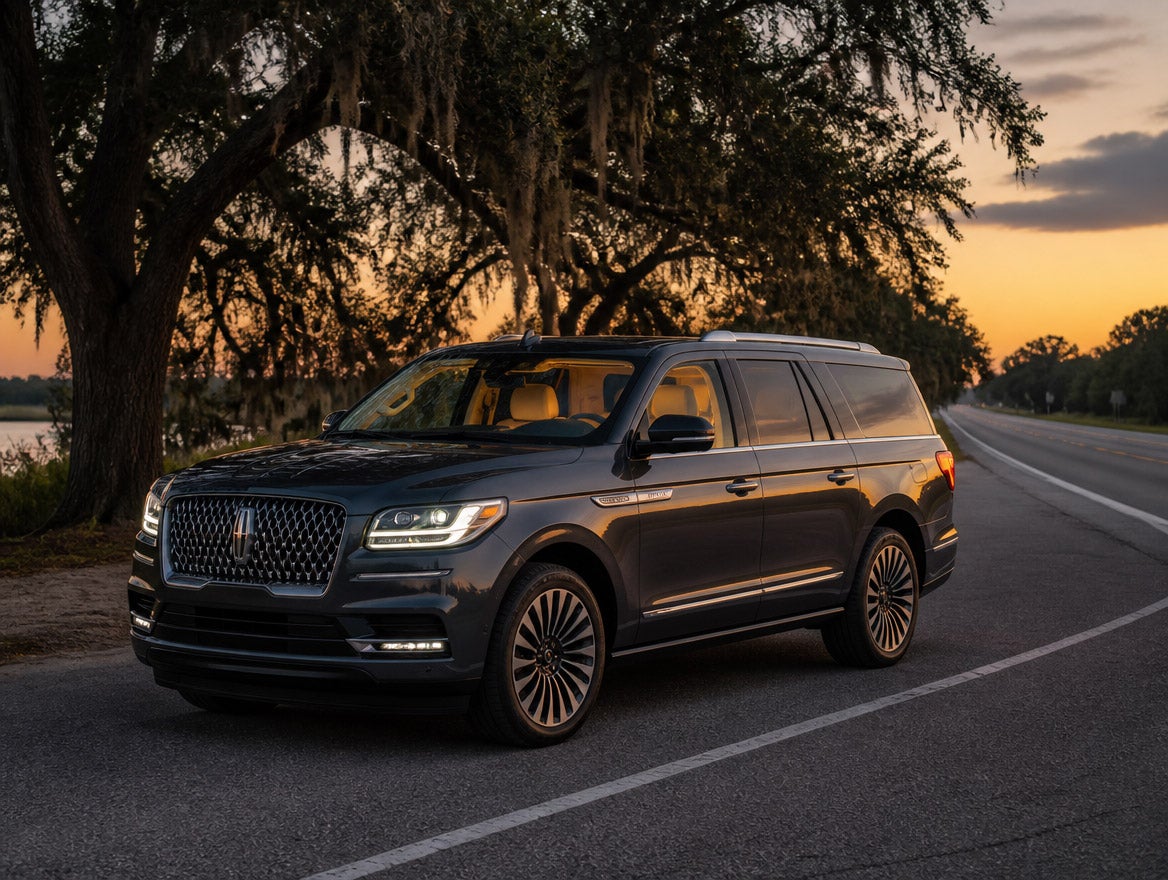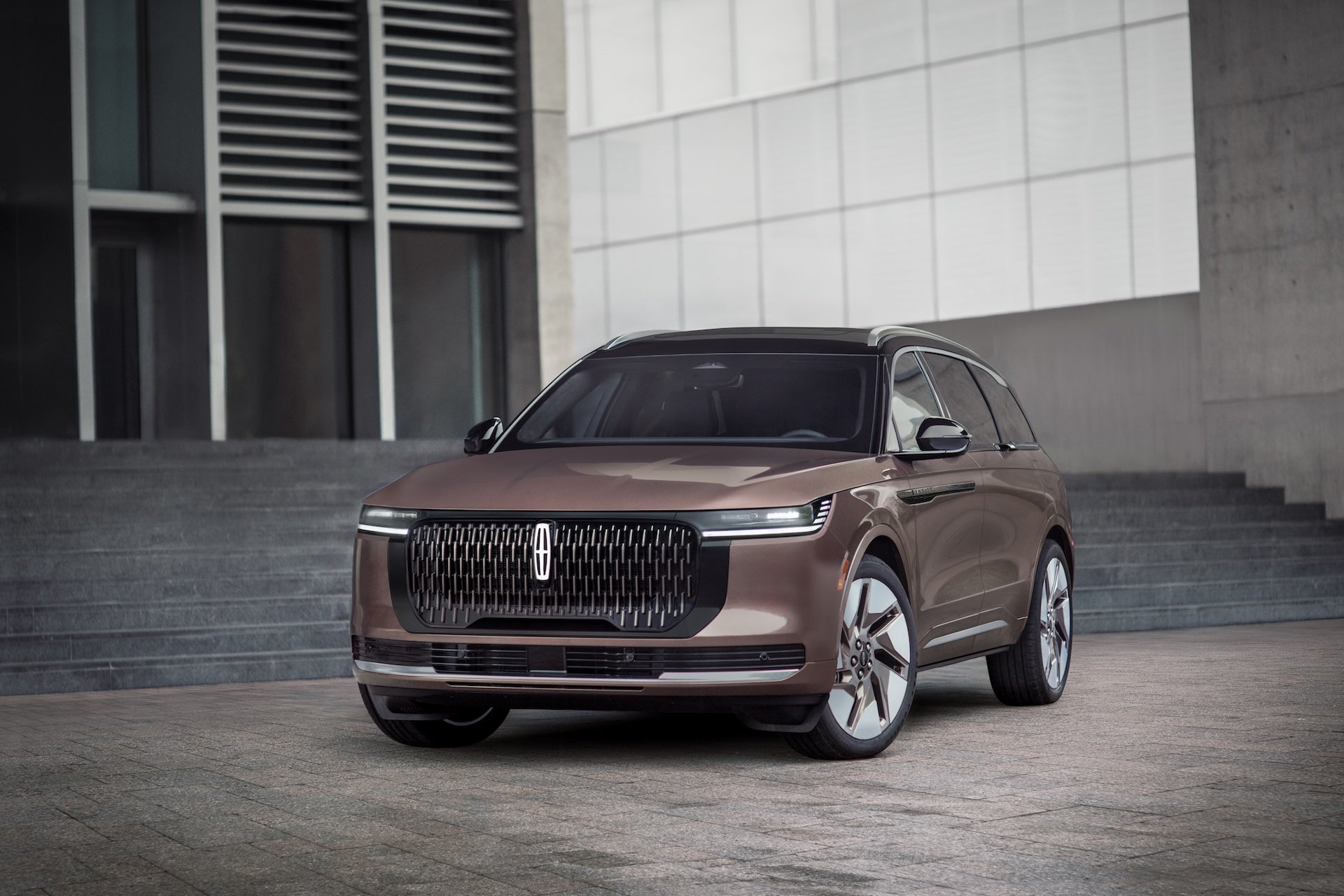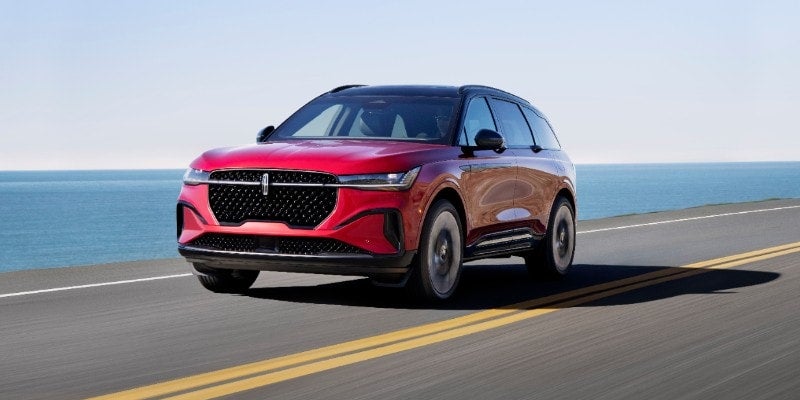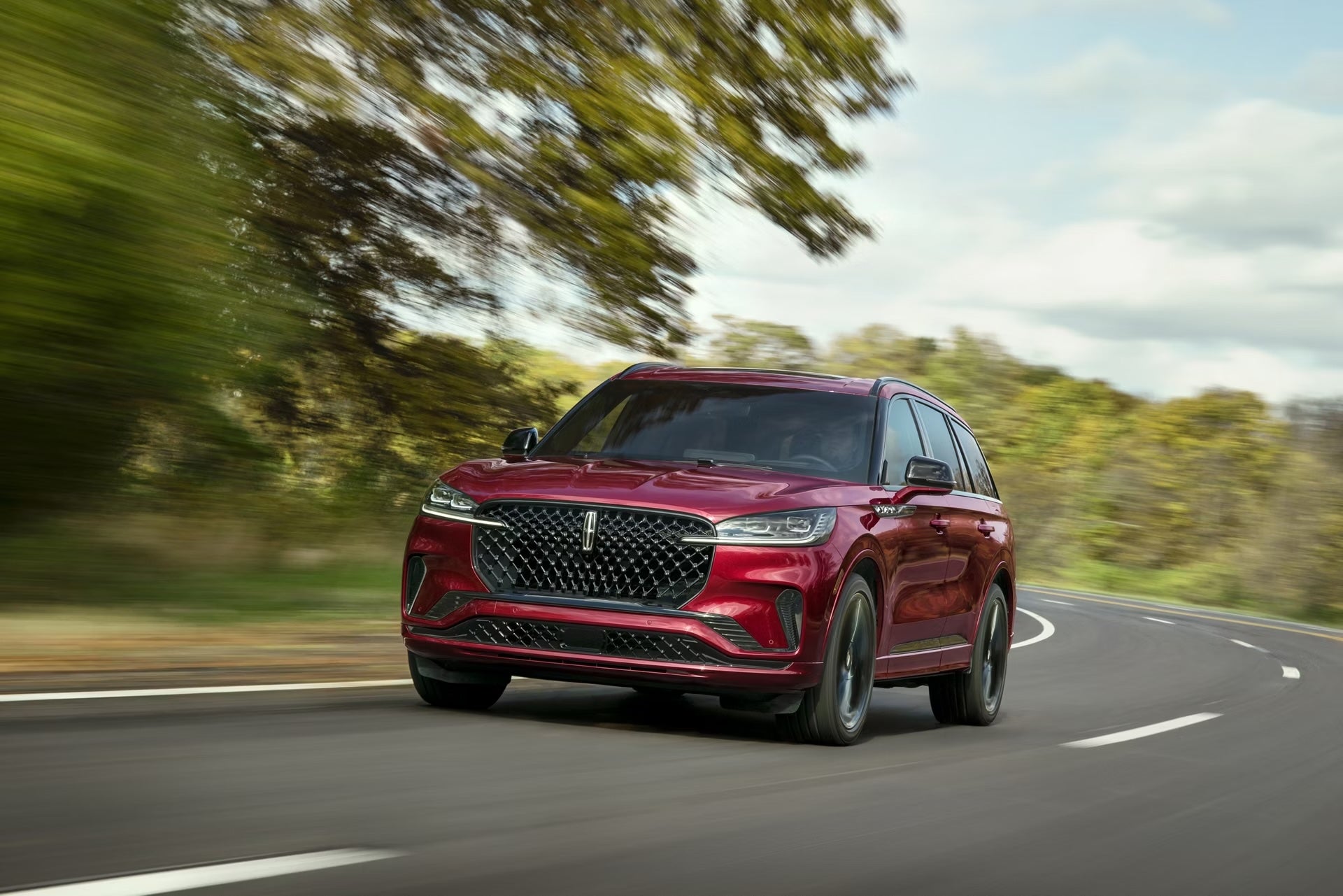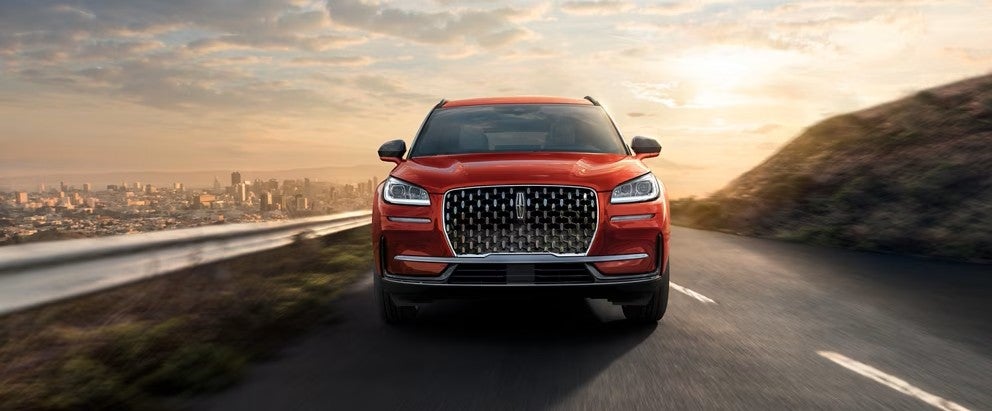


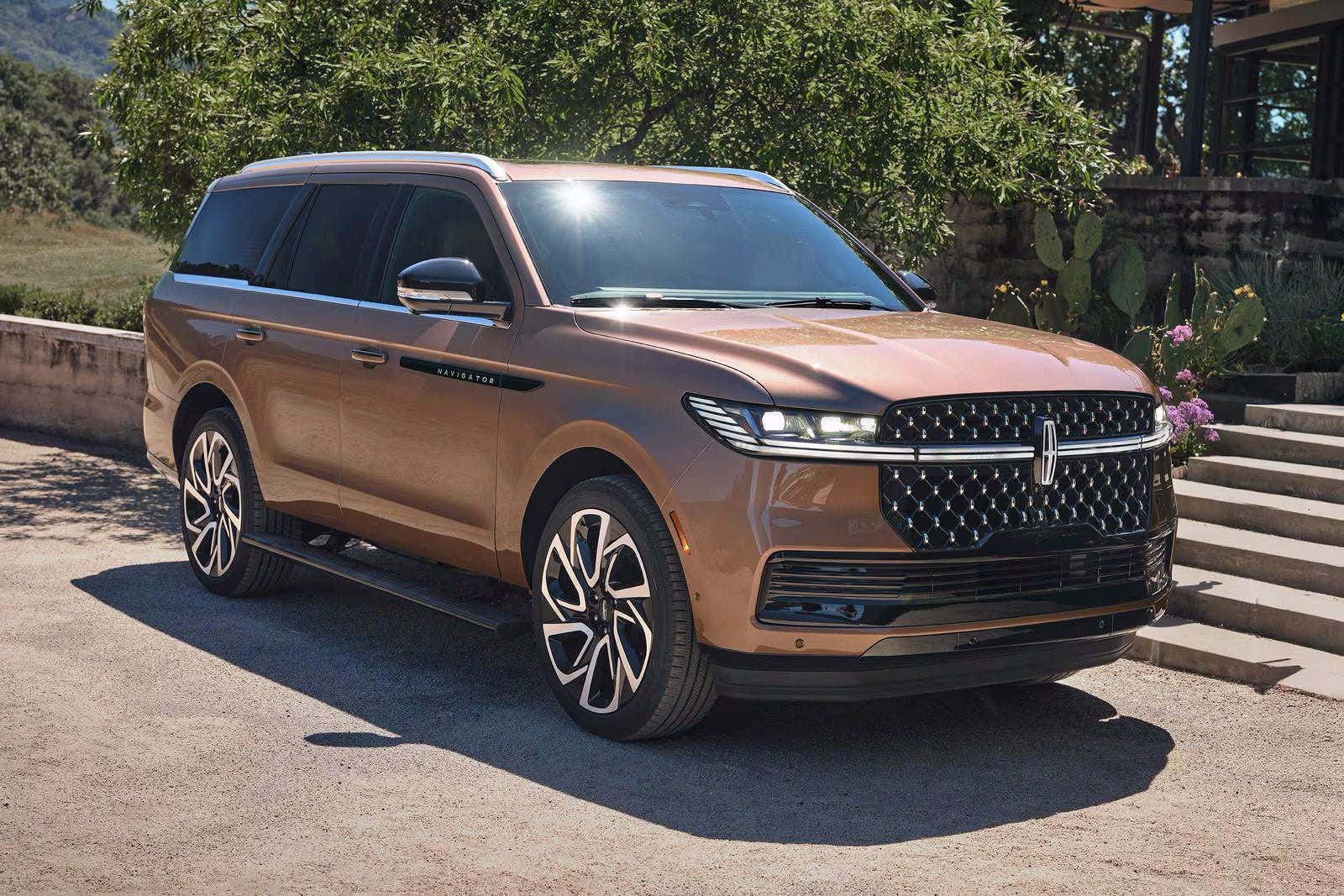
It's no secret that the Lincoln Navigator shares its mechanical bones with the Ford Expedition, but as the Navigator formula continues to evolve, direct tactile connections to its corporate sibling are harder than ever to find. That's especia lly true of the current model, which was redesigned for 2025. Unsurprisingly, the year after a full redesign brings few changes, but the 2026 Navigator is still worth revisiting, which is what Yahoo! Autos did this past summer when it tested a Navigator Reserve trim. Stivers Lincoln tells you what the publication discovered. In today's SUV-focused world, the Navigator essentially serves as the flagship of the Lincoln lineup, much like the original legendary Continentals once did sixty-some years ago. It is big and powerful, and can carry plenty of people and things, but the focus from bumper to bumper is on comfort and refinement. With price tags hovering around the six-figure mark, the Navigator isn't exactly attainable to everyone – but it does return quite a bit of refinement, comfort, and capability for the money. Under the hood of all Navigators is a twin-turbocharged 3.5-liter V - 6 engine producing 440 horsepower and 510 lb -ft of torque, paired with a 10-speed automatic and standard four -wheel drive. Yahoo describes it as “plenty powerful, giving ample support on the highway and providing ample getup for aggressive launches on surface streets.” The Navigator may not deliver the roar of a V - 8, but the whole point of a vehicle of this stature is not to hear the engine at all. In addition, on all interstates and most cross-country highways, you don’t have to drive the vehicle either, thanks to the standard BlueCruise hands-free highway driving system, which can even change lanes automatically. Instead, drivers and passengers alike simply enjoy the serenity of the cabin, with quilted perforated leather seats that look particularly inviting in Hot Chocolate or Afterglow color schemes. On the Reserve trim, the front seats feature 24-way adjustment, heating, ventilation, and massage functions. The Black Label trim adds 6 more seat adjustments for a total of 30, putting even the most sophisticated executive office chairs to shame. The eye-catcher, however, is the 48-inch pillar-to-pillar line-up of screens along the base of the windshield, which is designed to minimize eye diversion from the road ahead. These displays provide full driver-centric information, both navigation and audio system info, camera displays to assist in parking, and additional information for the front passenger. They are a bit far to reach, so they are controlled by an 11.1-inch touchscreen in the center of the dash. The steering wheel’s rather ovoid shape enables full above-the-rim visibility of the driver display without the abrupt corners of a flattened upper or lower rim. Elsewhere in the cabin, there is ambient lighting, a panoramic moonroof, a 28-speaker Revel audio system, and a unique “Rejuvenation” feature which, as Yahoo describes, “releases scents and puts meditative scenes like waterfalls on the screens, all reinforce the luxurious feel.” On the more practical side, the second-row seats can be either a 3-seat bench or two-seat “captain’s chairs.” That is shared with almost every 3-row SUV, so the Reserve and Black Label models also offer the " PowerPitch and Slide" captain's chairs, which feature heating, ventilation, and massage functions. At 42.0 inches, the second-row seats provide plenty of legroom for adults, but the third-row seats actually have more, with 43.5 inches. Behind the third row of seats is 22.9 cubic feet of cargo space. That grows to 69.9 cubic feet with the third row seat down. For full cargo mode with the second - and third -row seatbacks folded, Navigator provides up to 107.0 cubic feet of space. All these figures grow considerably with the available long-wheelbase Navigator L models. All this space and luxury is wrapped in a n exterior design that emphasizes restraint and elegance from bumper to bumper. As Yahoo! states, “In contrast, the Cadillac Escalade has grown more severe to the point it's an almost brutalist design, and Lincoln's elegant lines offer a refreshing exercise in simplicity. Yahoo! author sums up his Navigator Reserve review with the following: “I consider the Navigator to be near the top of the large luxury SUV segment. I think it's more tasteful than its archrival, the Escalade, though the Cadillac has outsold it nearly two-to-one in 2026, and the Escalade is better than ever. I put both a cut above the Infiniti QX80 and Jeep Grand Wagoneer in this highly competitive arena.” If a full-size luxury SUV is on your wish list, the Lincoln Navigator simply must be shopped; the place to do that shopping is Stivers Lincoln of Montgomery. Visit Stivers Lincoln of Montgomery for your Navigator test drive.
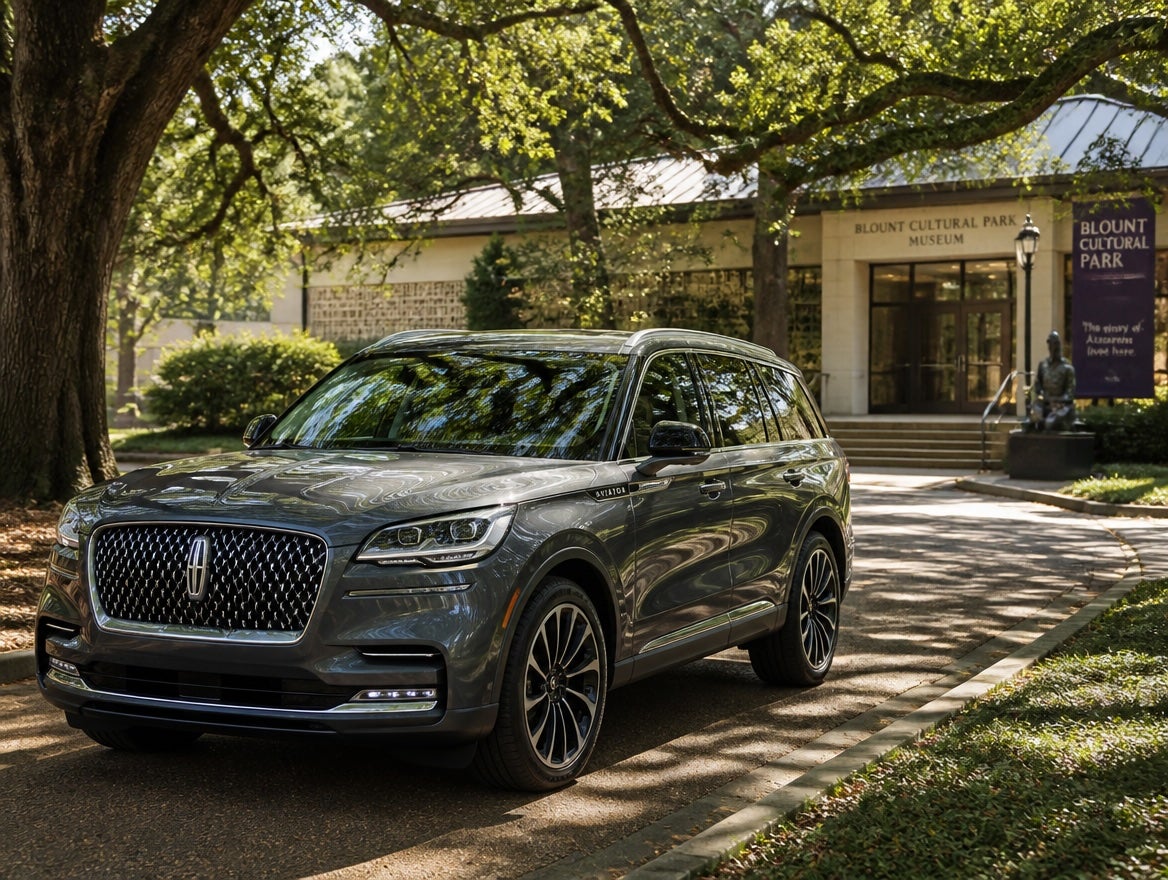
Taking a Lincoln Aviator to the Montgomery Museum of Fine Arts
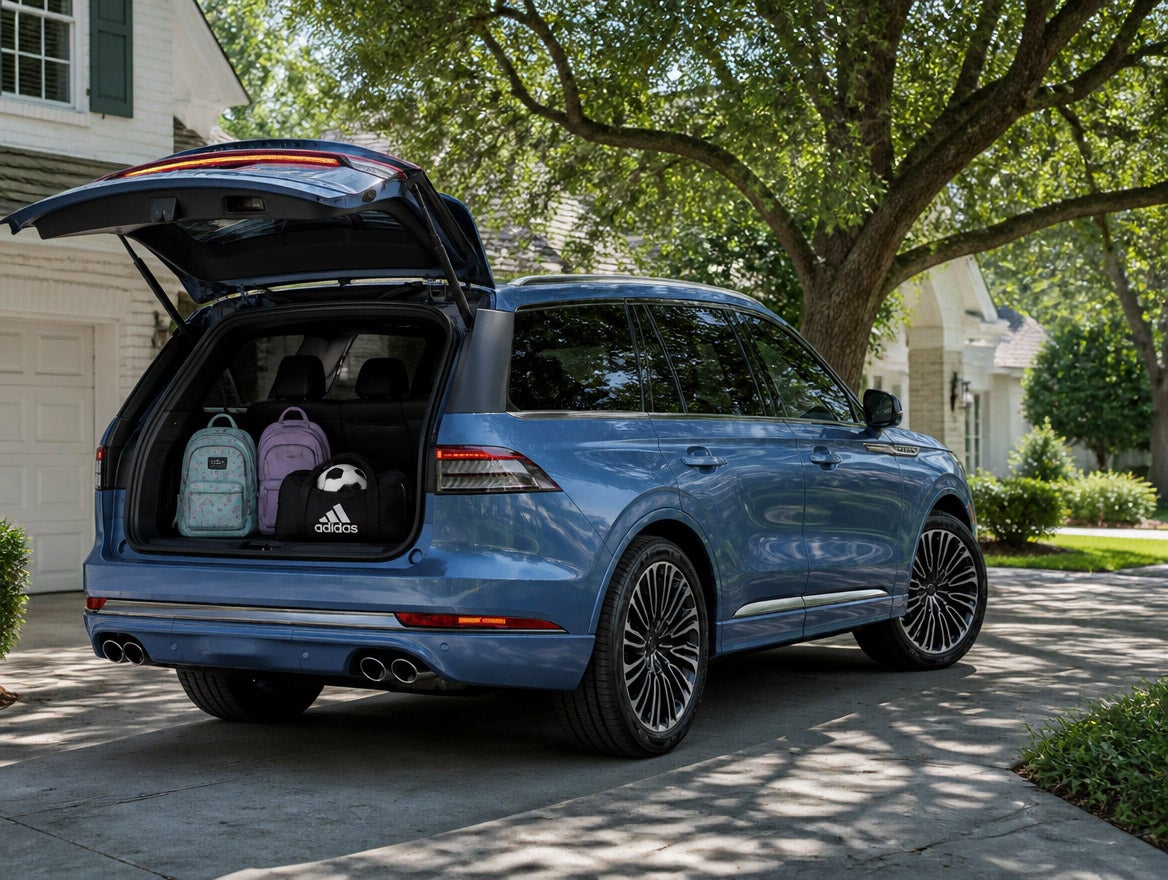
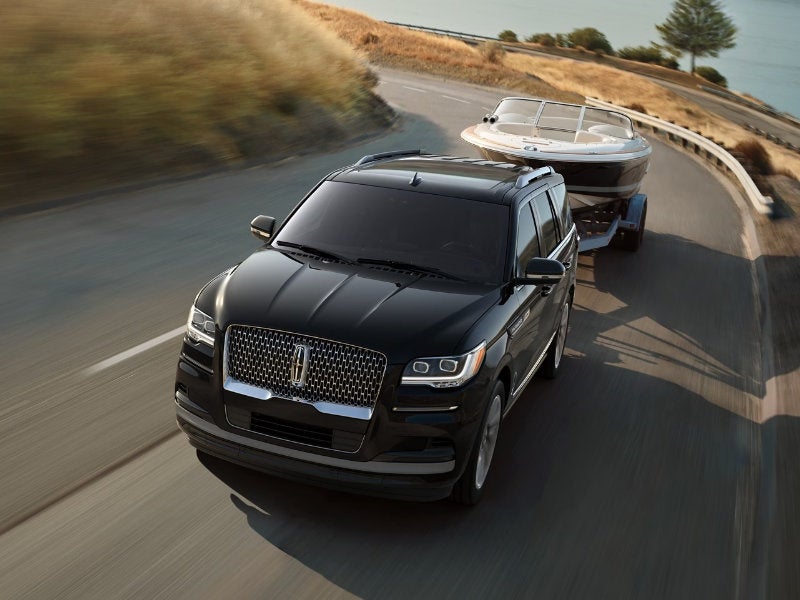
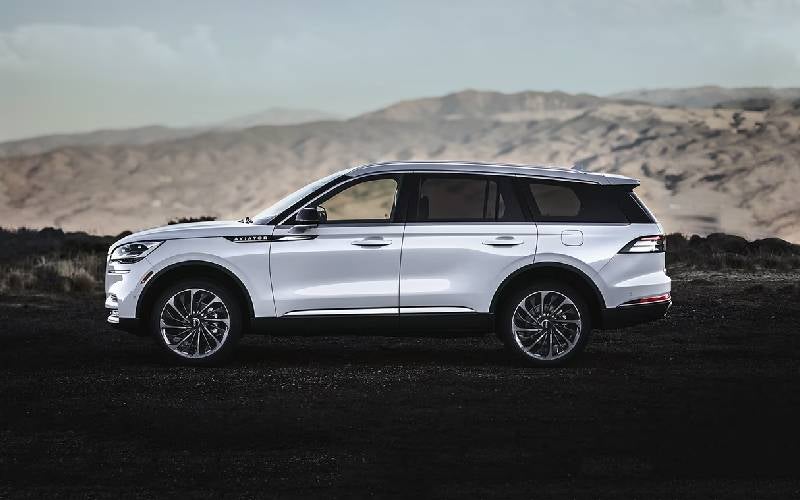
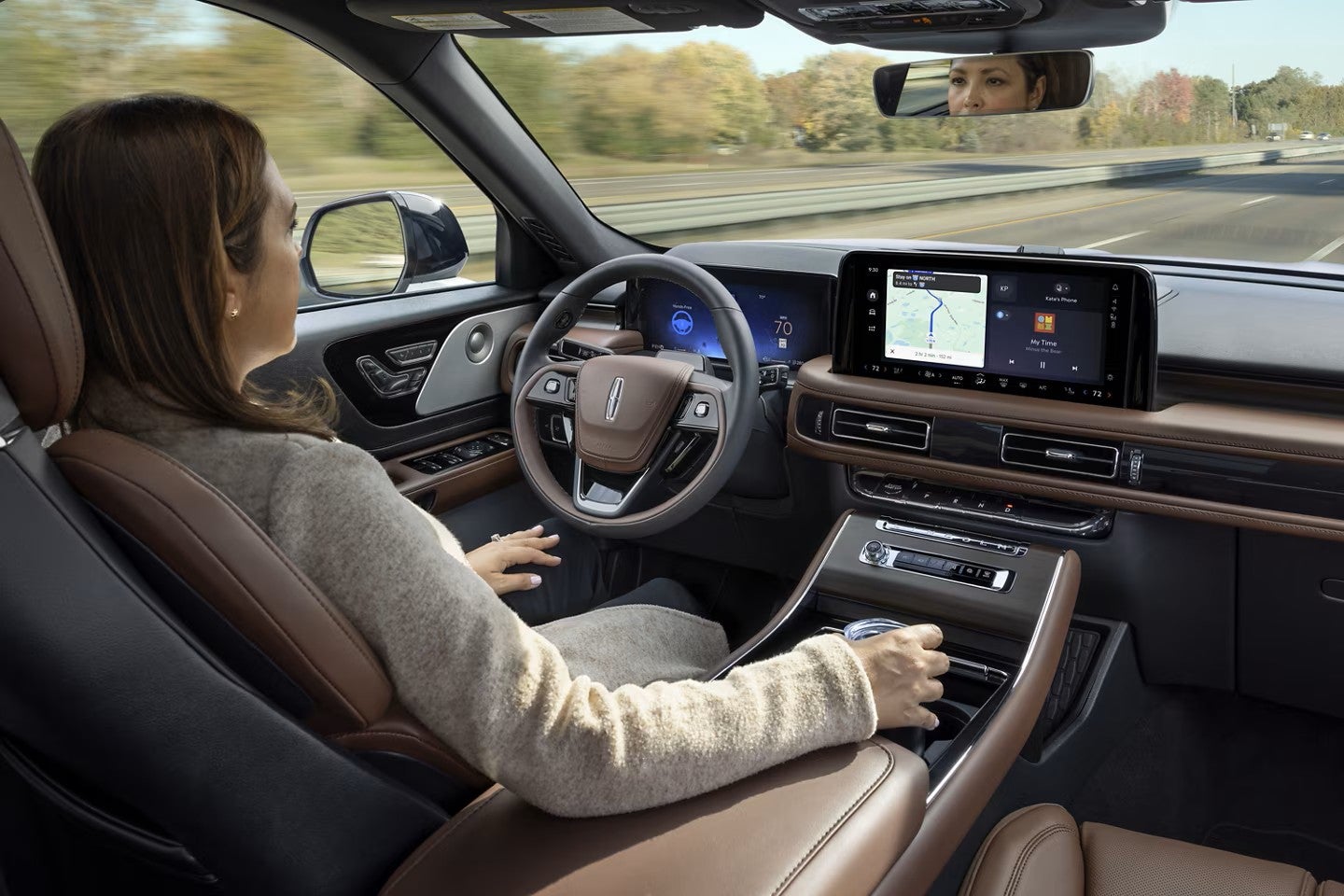
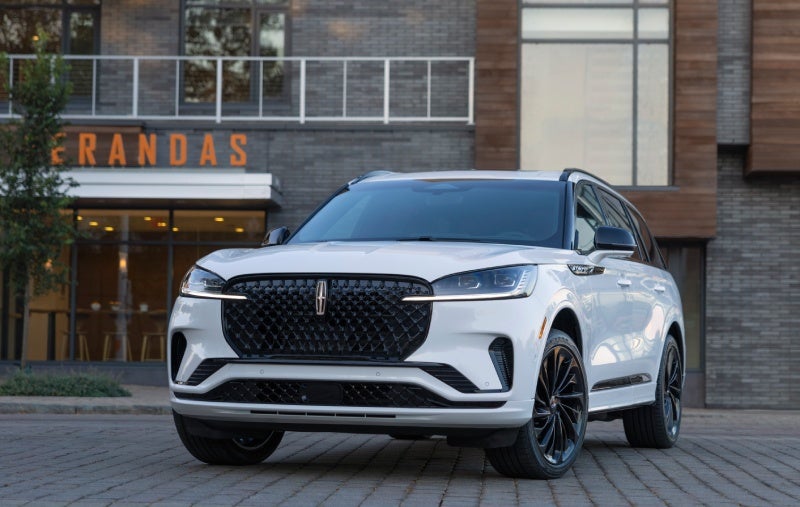
In this article The Rankings at a Glance The Cabin Stays Cool While the Sculpture Garden Does Not Three Rows Mean Nobody Gets Left Behind BlueCruise Makes the Drive Part of the Day The Cabin Quiet Sets the Right Tone The Parking Fits the Vehicle Without a Second Thought The Aviator Earns the Drive The Montgomery Museum of Fine Arts sits in Blount Cultural Park, admission is free, parking is free, and the John and Joyce Caddell Sculpture Garden gives you three acres of outdoor art to walk through after the galleries. As afternoons go in east Montgomery, few beat it. Might we suggest heading there in a vehicle that delivers the style, refinement, and comfort best suited for such pursuits? The 2026 Lincoln Aviator three-row SUV is our suggestion for such an artistic pursuit. The Cabin Stays Cool While the Sculpture Garden Does Not Montgomery in late September is still summer by any honest measure, and the Aviator's tri-zone automatic climate control, standard on the base Premiere trim, means the cabin you come back to can deliver the cool you left behind while the Sculpture Garden bakes. That's a good thing, considering you'll be walking through the Caddell in genuine heat. Higher Aviator trims add a fourth zone to their automatic climate control systems, which lets whoever's in the second row manage his or her own temperature without negotiating with the front seat. Ventilated front seats are available on Reserve and Black Label trims - that matters more than it sounds after a long walk through outdoor sculpture in Alabama's humidity. Schedule a Pre-Trip Service Check Three Rows Mean Nobody Gets Left Behind The Aviator seats six or seven, depending on configuration, with second-row captain's chairs on most builds and a power-folding third row that drops flat at the touch of a button. That means there's room for pretty much everyone: bring grandchildren to the ArtWorks interactive gallery or parents who want the Sculpture Garden, and everyone rides. Lincoln lists 19.2 cubic feet of cargo space behind the third row, which handles a stroller, a canvas bag, and whatever comes out of the Museum Shop without drama. Fold both rows and you reach 75.9 cubic feet. Worth knowing: Third-row legroom measures 29.2 inches, so adults sit back there comfortably for shorter trips, not cross-state ones. For the ten-minute run from the Eastern Boulevard corridor to One Museum Drive, none of that registers. Also, the Aviator's second-row captain's chairs power tip and slide forward, which opens the path to the third row and makes the climb less of a scramble than most three-row SUVs ask for. On the lot we'll point out that you still want to nudge the front seat forward a touch to clear the widest gap, and older passengers or kids who need a hand notice the difference. BlueCruise Makes the Drive Part of the Day Lincoln BlueCruise 1.5 comes standard on every 2026 Aviator trim, including the base Premiere, and on controlled-access highway segments inside designated Blue Zones it runs hands-free across more than 130,000 miles of prequalified divided highway in the United States and Canada, though the last mile into the park is on you. Eastern Boulevard and the Vaughn Road approach into Blount Cultural Park are surface streets, so BlueCruise isn't in play on that stretch. If you're coming in from further out on I-85, it handles the highway leg while the morning is still settling. BlueCruise is a driver-assist feature and requires an attentive driver with eyes on the road at all times. The 2026 update added automatic lane-change capability and in-lane repositioning, which nudges the vehicle away from adjacent traffic (subtly enough that passengers rarely clock it). It works without fanfare, the way good assistance should. The Cabin Quiet Sets the Right Tone The Aviator keeps the drive itself as composed as the galleries you're headed for, using Lincoln's active noise-control engineering to hold wind and road noise down at highway speed, and the available Revel Ultima 28-speaker system on Reserve and Black Label trims rewards the drive over on its own. Does a quiet cabin actually change a museum visit? A little, and in a way you feel more than measure. Stepping out of road noise into gallery hush is a jolt the Aviator softens before you reach the door. The Vehicle Fits the Parking Without a Second Thought Parking at the MMFA is the easy part, because the lot at One Museum Drive is open, surface-level, and free, precisely what a 199.7-inch three-row SUV is built for. Pull in, find a stall, and you're done. The museum is open Tuesday through Saturday from 10 a.m. to 5 p.m. and Sunday from noon to 5 p.m. Mondays it's closed. Last entry is 4:45 p.m. It's worth confirming your timing before you go, particularly on Sundays. The short hours leave less margin than you'd think. The Aviator Delivers An Artful Drive The 2026 Lincoln Aviator's twin-turbocharged 3.0-liter V-6 produces 400 horsepower and 415 lb-ft of torque, and tows up to 5,000 pounds when properly equipped. Still, none of those figures explains why it's a great tool to use on an afternoon spent at the MMFA. Aviator excells because the cabin is composed, the climate control is thorough, the third row fits the whole group, and the drive from Eastern Boulevard to Blount Cultural Park is as short and pleasant as it ought to be. The museum handles the art. The Aviator handles everything else. If you want to see what's on our lot, or talk through which trim fits the way your family actually uses a vehicle, our team at Stivers Lincoln of Montgomery sits on Eastern Boulevard and is glad to walk through it without any urgency. By the Stivers Lincoln of Montgomery Team | September 2026 Value Your Current Vehicle Stivers Lincoln of Montgomery 4000 Eastern Blvd, Montgomery, AL 36116 (334) 647-6905