Blog / Lincoln Nautilus

Blog

All Lincoln Nautilus Lincoln dealership Lincoln Aviator Lincoln Navigator Montgomery Lincoln Dealer Local Lincoln Corsair Driver Safety Lincoln Service Montgomery Lincoln Service Lincoln Certified Pre-Owned Stivers Lincoln Alabama Service Lincoln Model L100 Concept
Refreshing River Theme in Lincoln Rejuvenate

Lincoln adds a Sixth Theme to Relax with on its Lincoln Rejuvenate System

You've worked hard to afford a luxury vehicle like a Lincoln Navigator or Nautilus – shouldn't you have the opportunity to unwind when time allows? Lincoln has developed Lincoln Rejuvenate, a feature in these vehicles that can transform its already tranquil and comforting interiors into a calming sanctuary when parked. Stivers Lincoln tells you all about it. Lincoln Rejuvenate is a multisensory relaxation system that leverages the audio system, all view screens, climate control, seat massagers, and even the Lincoln Digital Scent systems. It first launched in 2025 with three nature-based relaxation themes. Two more themes, including the latest Refreshing River theme, have been added, bringing that total to six. Because it uses the entire panoramic display system and involves programmed seatback recline, Lincoln Rejuvenate is designed to be used strictly while the vehicle is stationary. The system was defined based on findings from a Purdue University study commissioned by Lincoln, which showed that multisensory in-vehicle experiences can yield measurable short-term relaxation benefits. As an example, here is how Lincoln describes its new Refreshing River theme: “Inspired by the beauty of a fall day, Refreshing River begins on a quiet riverbank, where the sound of water and a gentle breeze create a calming escape. The journey continues along the river, revealing distant trees in rich autumn color — evoking the crisp, restorative feeling of an afternoon at the cider mill.” The Cloud Balsam Digital Scent is recommended to complete the experience. This is how Lincoln describes the five other Rejuvenate themes: Waterfall Meditation: An immersive experience evoking the serenity of cascading water. Elements: A multisensory journey through the fundamental elements of nature. Aurora Borealis: An ethereal visual and auditory experience inspired by the natural phenomenon. Forest Meditation: A calming exploration of a serene natural forest environment. Tropical Paradise: A sensory escape that flows from a vibrant coral reef to a calm, serene beachfront. Fortunately, the need for calm and relaxation is not exactly foreign to the Lincoln executives who championed the system. Says Sonia Reif, Lincoln Global Vehicle Director, “That’s what makes Lincoln Rejuvenate such a differentiating feature; it reflects our commitment to wellness. Supported by scientific research, it’s helping redefine how our clients use their vehicles, not just to get from point A to B, but as a meaningful third space to relax and recharge.” Obviously, describing this system can only go so far, and it needs to be experienced to be fully understood. Strivers Lincoln invites you to its Montgomery showroom to slow down and experience Lincoln Rejuvenate for yourself.

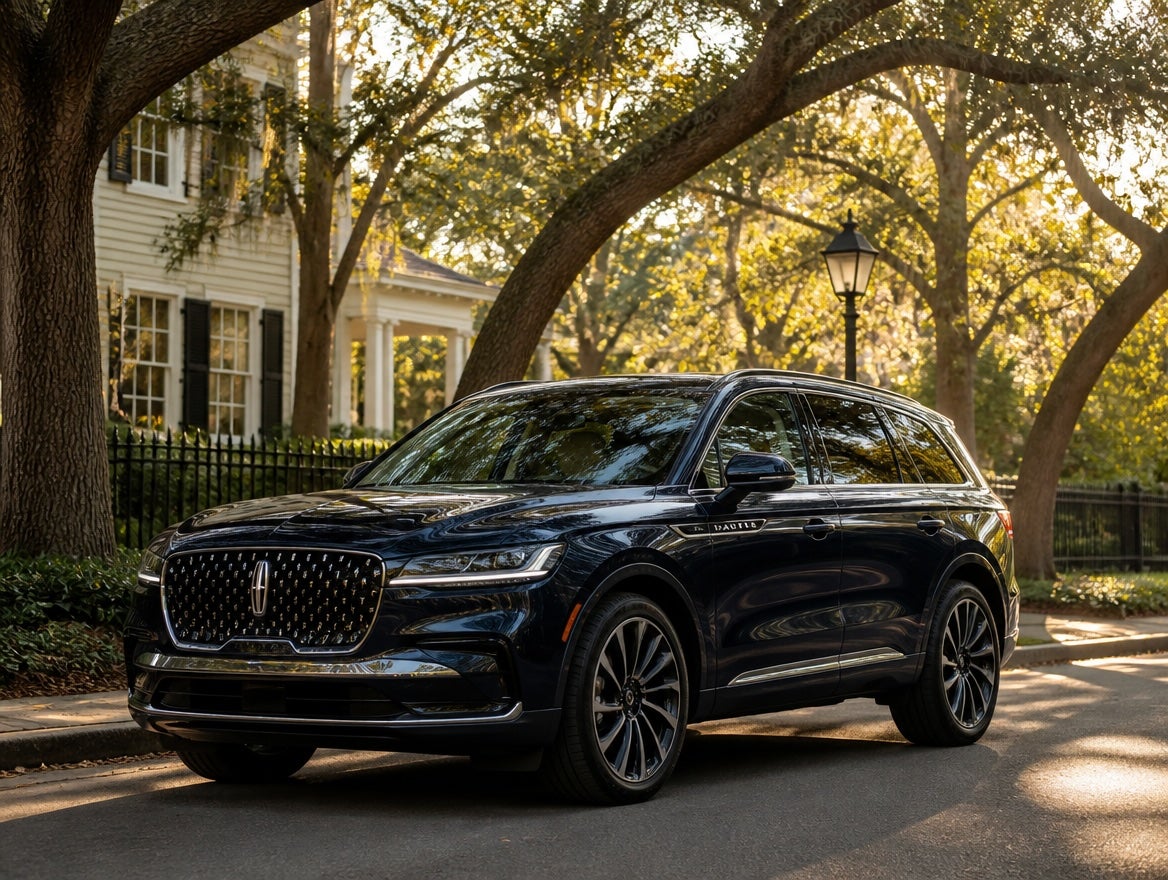
2026 Lincoln Nautilus parked on a shaded east Montgomery street in fall afternoon light

What to know about the Lincoln Nautilus Hybrid for Montgomery Driving

Eastern Boulevard moves to a certain rhythm. Signal to signal, a run of commercial stops, a long flat stretch out toward I-85, then back into the grid of east Montgomery's residential streets. Drive that corridor daily and you already know what a gas engine does out there. It idles, it restarts, and it works hardest right where the road asks the least of it. Built for that pattern, the 2026 Lincoln Nautilus Hybrid earns its place through engineering, not marketing. The hybrid system recaptures energy through braking and coasting in stop-and-go conditions, which is exactly what a corridor like Eastern Boulevard produces. EPA numbers put a figure on it. The EPA rates it at 29 city and 31 highway mpg combined to 30, compared to 21 city and 24 combined for the standard gas Nautilus. That six-mpg combined difference has a direct address, and it's this city, this kind of driving. The Nautilus Hybrid's efficiency advantage is largest in stop-and-go driving, where the electric motor supplements the turbocharged engine and regenerative braking recaptures energy that a gas-only engine simply burns away. We carry the 2026 Lincoln Nautilus here at Stivers Lincoln on Eastern Boulevard, and the question we hear from established east-side buyers isn't "is it a hybrid." It's "does it actually make sense for the way I drive." Fair question. Here's our straight answer. Why Does the Nautilus Hybrid Fit Montgomery Driving? Montgomery's daily reality breaks into three distinct conditions, and the Nautilus Hybrid's powertrain handles all three, though not identically, covering the stop-and-go corridor traffic on Eastern Boulevard and Taylor Road, the sustained highway cruising on I-85, and the long summer season where the air conditioning runs continuously. That summer stretch runs June through September, with July averaging a high of 93 degrees Fahrenheit and humidity hovering near 73 percent, and the compressor barely rests. Montgomery Driving Condition Feature That Handles It Why It Matters Here Stop-and-go on Eastern Blvd / Taylor Rd Electric motor + regenerative braking Recaptures braking energy instead of burning it; most efficient exactly where gas engines idle longest I-85 highway stretches 285-hp combined system, eCVT Smooth, confident power without the efficiency penalty of a conventional automatic; EPA rates highway at 31 mpg Summer AC load (93 F avg July high) Standard AWD + full hybrid system power buffer Electric motor offsets engine workload when AC compressor adds load; more consistent than gas-only under thermal stress Afternoon thunderstorm visibility Standard BlueCruise 1.5 with lane centering Adaptive cruise and lane centering reduce driver fatigue on slick interstates Long River Region weekend drives 20-gallon tank, approx 600-mile highway range Fewer fill-ups on the Lake Martin run or the drive to Birmingham; gas Nautilus range is approx 480 miles highway One condition narrows the hybrid advantage, and it's sustained 75-plus mph interstate cruising with the AC on full in July. The electric motor contributes less at high steady speeds than in city cycling. It still returns better numbers than the gas Nautilus, though the city and stop-and-go delta is where the hybrid earns its clearest advantage. A Powertrain Designed Around Comfort First, Then Efficiency Comfort leads the engineering on this powertrain and efficiency rides along behind it, which is the part the spec sheet quietly underplays for the buyers we meet on our lot, where the standing worry is always whether a hybrid surrenders something to save fuel. In the Nautilus, the answer leans the other way. The turbocharged 2.0-liter engine pairs with an electronically controlled continuously variable transmission (eCVT) and standard all-wheel drive. Total system output, as Lincoln lists it, is 285 horsepower and 295 pound-feet of torque. That's 35 more horsepower than the gas-only Nautilus. The hybrid doesn't feel like a compromise powertrain. Smoothness is the first thing you notice, because the electric motor fills in the low-end torque that a turbocharged four-cylinder takes a moment to build. Around town, that gives you an effortless, almost seamless pull from a stop. It matters on Eastern Boulevard not because you're in a hurry, but because a powertrain that responds cleanly keeps the cabin composed. Lincoln tuned the Nautilus for ride comfort over handling sharpness, with a suspension calibrated to absorb the uneven pavement on older sections of the east-side grid. Browse our current Nautilus inventory to see which trim configurations are on the lot now. On the highway, BlueCruise 1.5 becomes the conversation. The 2026 model year adds automatic lane changes on designated divided highways to its hands-free driving. Practically, that means a cleaner I-85 or I-65 experience, with the system managing following distance and lane centering while you monitor. BlueCruise requires an attentive driver and works on prequalified mapped highways. The system isn't autonomous. For the professional who drives an hour to Birmingham with some regularity, it makes the drive noticeably less fatiguing. BlueCruise maps cover the major interstates around the River Region. The feature won't engage on roads outside that network. One thing we point out at the showroom is the fuel question. Lincoln recommends 91-octane premium fuel for maximum performance, in sustained heat, and when towing. The EPA ran its fuel economy tests on regular 87-octane, which the engine accepts. For Montgomery's summers, our team's straightforward read is that buyers who commute mostly in town can use regular without issue, while those who're regularly on the interstate in July heat will get cleaner performance with premium. Worth knowing rather than assuming. Standard across every trim: The 48-inch panoramic display is available on Premiere through Black Label, as is BlueCruise 1.5. You get the full technology story without reaching for the top of the range. The financing options our team works through can help you land on the trim that fits your priorities. A word on the east-side commute: The signal density on Eastern Boulevard between the dealership and the Taylor Road intersection runs deep into stop-and-go territory during morning and afternoon peaks. Our service team works this corridor every day. A hybrid powertrain recaptures the most energy in exactly this pattern, which is one reason the mileage you actually see on this route tends to track the EPA city estimate closely rather than running below it. The hybrid powertrain is available on all three Nautilus trims: Premiere, Reserve, and Black Label Standard features on every trim include the 48-inch panoramic display, BlueCruise 1.5, standard AWD, and heated front seats Available Perfect Position seats offer 24-way adjustment with Active Motion massage, available on Reserve and Black Label The rear cabin slides and reclines, with 36.4 cubic feet of cargo space behind the second row and 71.3 with it folded The 2026 Nautilus (the most recently crash-tested model) earned a Top Safety Pick+ from the IIHS and five stars overall from NHTSA The Honest Tradeoff: What the Nautilus Hybrid Is Not The Nautilus Hybrid is a conventional hybrid rather than a plug-in, which means no charging port, no electric-only range to manage, and no home charger to install, and for most east-side buyers that arrangement is the appeal instead of a drawback. The Lincoln Corsair Grand Touring is Lincoln's plug-in hybrid option. The Nautilus Hybrid works like a conventional vehicle from the driver's perspective. You fill the 20-gallon tank, the hybrid system manages itself, and you'll see the benefit at the pump over time. For buyers who want the efficiency gain without changing their routine, the fit is clean. For someone who wants a meaningful electric-only daily commute, the Nautilus Hybrid is the wrong tool. No getting around that. At its core, the Nautilus Hybrid is a quiet, well-appointed midsize SUV that returns meaningfully better fuel economy than its gas-only sibling in the specific driving pattern east Montgomery produces, does so without any infrastructure requirement, and wraps the experience in a cabin that makes the Eastern Boulevard stop-and-go genuinely comfortable rather than just tolerable. We're at 4000 Eastern Blvd, which means we see the same roads you do. The Lincoln Aviator is worth a look if three rows matter to you. But for a two-row household that prioritizes ride comfort, cabin technology, and a powertrain that works with Montgomery's rhythms, the 2026 Nautilus Hybrid makes a coherent case. Explore Financing Options If you'd like to get a sense of how the cabin feels and how the powertrain performs on our local roads, our team's here. Schedule a Visit With Our Team Stivers Lincoln of Montgomery 4000 Eastern Blvd, Montgomery, AL 36116 (334) 647-6905

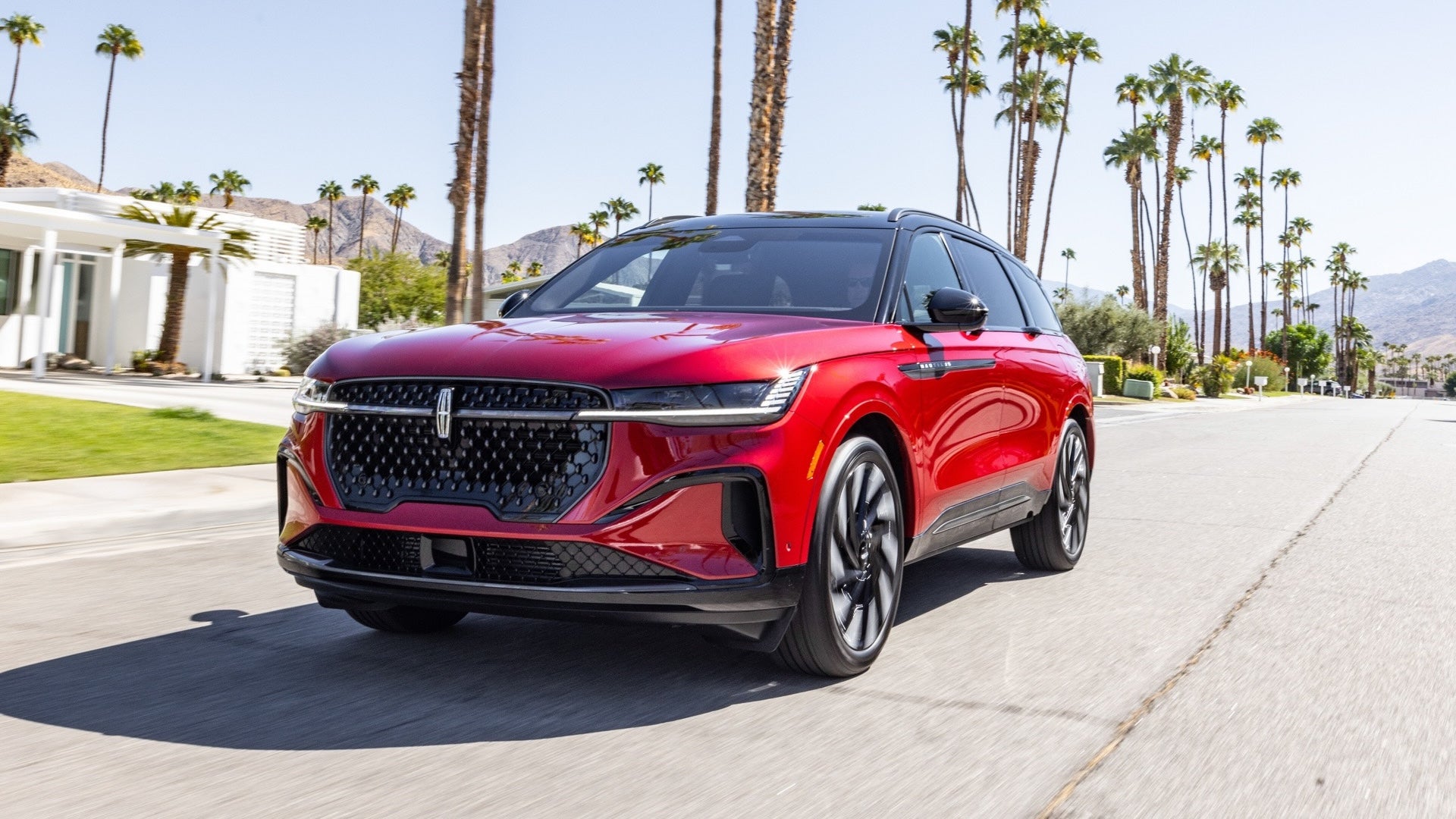
Front Side View of the 2027 Lincoln Black Label Model

Lincoln Black Label is More Than a Trim Level

66 years ago, Lincoln redefined what an American luxury car was. After a decade of tailfins, jet-age details, excessive chrome and incoherently complex styling across the industry, the 1961 Lincoln Continental was refreshingly understated and elegant. Upon debut, its competition immediately looked hopelessly baroque, and their manufacturers quickly regrouped to follow Lincoln’s lead as quickly as they could. Today’s Lincoln SUV models have been quietly doing the same with an elegantly understated design, a sophisticated application of technology, and, above all, a return to distinctly American luxury, with a focus on quiet, comfort, effortless operation, and long-term ownership satisfaction. These qualities are hallmarks of any modern Lincoln, but are elevated further on Black Label models, which offer a whole new level of Lincoln ownership. Stivers Lincoln explains. At first, Black Label may appear to be simply the top trim level of the Navigator, Aviator, and Nautilus (there is not yet a Black Label for the Corsair Hybrid). Indeed, Black Label trims include features not found on the Premier and Reserve trims, such as: Perfect position front seats (30-way power adjustment on Navigator and Aviator, 24-power adjustment on Nautilus) Active Motion Massage front seats with power thigh extenders Heated and ventilated second-row captain’s chairs Heated third-row seats with premium leather surfaces Higher-level leather, Alcantara suede and authentic wood trim But Black Label interiors go a step further with bespoke, designer-curated design themes. For example, the Atmospheric interior theme on the Navigator Black Label includes Opulance Leather on the first- and second-row seats with Diamond Drizzle perforation that mimics the random drops on pavement at the start of a light rain. Atmospheric Ash wood trim, a Salt Crystal Gray Dinamica sueded headliner, and Dinamica sueded floor mats complete the look. The Enlighten and Invitation interior themes each feature uniquely designed surface and material combinations, and the Aviator and Nautilus have their own distinct interior themes. The Black Label experience goes beyond vehicle features and extends into vehicle ownership. It starts with a dedicated Lincoln Black Label Experience Liaison who serves as your single point of contact from first inquiry through vehicle delivery, which can be at your home, place of business, or wherever you are. There is also Premium Maintenance, including home pickup and delivery with a loaner Lincoln, and complimentary anytime car washes from Stivers or other Lincoln dealerships. A Black Label purchase also immediately earns you 70,000 Lincoln access points (compared with 50,000 for Reserve and 40,000 for Premiere trims), plus additional points for Maintenance visits. You can redeem these points for products and experiences themed around culinary, health and wellness, travel, and more. Black Label owners also receive an annual curated gift from Lincoln. Again, this is not reserved only for owners of the flagship Navigator Black Label, but also for owners of the Aviator and Nautilus Black Label models. In short, it is more than just getting a fancier Lincoln; it is an elevated ownership experience, a concept nearly as game-changing as that 1961 Continental. If you are considering bringing a new luxury SUV home, you owe it to yourself to sample Lincoln's award-winning luxury SUVs, which embody an understated, elegant approach to American luxury, and to learn more about the Black Label program and models. Stivers Lincoln in Montgomery, AL, is the place for your Lincoln experience.

2027 Lincoln Corsair Hybrid and 2027 Lincoln Nautilus parked side by side on a shaded east Montgomery street

Lincoln Corsair vs. Nautilus: Which SUV Fits Your Routine?

These two Lincolns share a family resemblance and a philosophy. Past that, they're built for different routines, and the wrong choice is a real possibility if you let the exterior styling make the call for you. The 2027 Lincoln Nautilus is the midsize member of the lineup, and the 2027 Lincoln Corsair Hybrid is the compact one. Eleven and a half inches of length, nearly nine inches of rear legroom, and a fundamentally different powertrain story separate them. Work through the checklist below and the right answer surfaces before you ever sit behind a wheel. Our honest take upfront: the Corsair Hybrid is the better vehicle for the driver who wants a nimble, efficient single-occupant daily companion that happens to carry one or two passengers in comfort. The Nautilus suits the couple or the small household that uses both seats all the time, hauls gear with regularity, or just wants to settle in for a longer drive and feel no constraints. Neither is a compromise once you're in the right one. The mistake is choosing on looks and discovering the tradeoff at mile 300 on I-65. What Goes on the Checklist? Work through each item below and note where you land, because the pattern that emerges at the bottom points to one Lincoln more clearly than any brochure spread could, long before you adjust a mirror or a seat. There's no trick to it. Answer for the week you actually live, the ordinary one, and the SUV picks itself. Rear-Seat Passengers Do you regularly carry adults in the back seat? The 2027 Nautilus offers 43.1 inches of rear legroom, while the 2027 Corsair Hybrid carries 36.7 inches in the Grand Touring configuration. That six-plus-inch span separates a six-foot passenger who's riding in comfort from one who's making do. The gap is not subtle. [ ] I regularly seat adults in the back (two or more times per week): mark Nautilus [ ] I carry rear passengers occasionally or mostly children: mark Corsair Hybrid Cargo Volume Does your routine include regular cargo: groceries for a household, luggage for two on a weekend at Lake Martin, golf bags after a round at Wynlakes? Lincoln lists the 2027 Nautilus at 36.4 cubic feet behind the rear seats and 71.3 cubic feet with the seats folded. The 2027 Corsair Hybrid checks in at approximately 27.6 cubic feet behind the rear seats and 57.6 cubic feet fully loaded. That's nearly nine cubic feet of everyday difference. [ ] I load the cargo area at least weekly with bulky items: mark Nautilus [ ] I primarily move light cargo or travel light: mark Corsair Hybrid Garage and Parking Footprint Is your garage, parking structure, or driveway width a real-world constraint? At 193.2 inches long and 79.8 inches wide without mirrors, the 2027 Nautilus asks for room. The 2027 Corsair Hybrid measures 181.4 inches long and 74.3 inches wide, and you feel the difference in a tight garage, or when you're parallel-parking in Old Cloverdale on a Saturday afternoon. [ ] I navigate a tight garage or a narrow driveway daily: mark Corsair Hybrid [ ] Parking space is not a constraint for me: mark Nautilus Powertrain Priorities Do you have access to home charging, and does daily efficiency matter to you? The 2027 Corsair Hybrid runs a 2.0-liter turbocharged full hybrid producing 305 combined horsepower, EPA-estimated at 32 city / 32 highway / 32 combined MPG. It doesn't need a plug. The 2027 Nautilus standard gas engine, a 2.0-liter turbocharged four making 250 horsepower, is EPA-estimated at 21 city / 29 highway / 24 combined MPG; the available Nautilus hybrid reaches 29 city / 31 highway / 30 combined MPG according to the EPA. Both are meaningful numbers. The Corsair Hybrid's efficiency edge is consistent. [ ] Daily fuel economy is a priority and I want the most efficient option: mark Corsair Hybrid [ ] I want the Nautilus's available hybrid for the right balance of space and efficiency: mark Nautilus Hybrid The Display and Technology Experience How much does the in-cabin technology environment matter to your enjoyment of the vehicle? No category surprises people more than this one once they sit in both. The 2027 Nautilus features a 48-inch panoramic technology experience that spans from the driver's instrument cluster across the center stack, with a customizable right-side panel. The 2027 Corsair Hybrid carries a 13.2-inch center touchscreen paired with a 12.3-inch digital instrument cluster. Both are capable, polished systems. The Nautilus sits in a different visual category, and buyers who spend real time in the seat notice it. [ ] The technology environment is a primary enjoyment factor for me: mark Nautilus [ ] I want a clean, capable interface without a wall of screen: mark Corsair Hybrid Explore Financing Options Why Each Item on This Checklist Actually Matters The five items above aren't arbitrary picks, and each one maps to a specific engineering decision Lincoln made when it positioned these two vehicles, so a number that looks small on the page can still reshape how the SUV feels on every drive you take through Montgomery. Legroom Is an Engineering Commitment, Not a Comfort Upgrade Wheelbase tells the story. The Nautilus rides on 114 inches, the Corsair Hybrid on 106.7. The Corsair Hybrid's 7.3-inch shorter wheelbase flows straight into the rear cabin, and no seat adjustment buys it back. We often ask customers to sit in the back of both before they commit, because a compact SUV that fits your life is a joy, while one that can't seat your occasional passenger turns into a daily frustration. The seat can't give it back. Cargo Volume Is Not Just About Road Trips Thirty-six cubic feet of usable cargo in the Nautilus against roughly twenty-seven in the Corsair Hybrid reads like a road-trip stat. In practice it decides the Costco run, the kayak equipment headed up to Lake Martin, and the oversized box from a furniture store. The Powertrain Decision Is About Your Actual Route The EPA rates the 2027 Corsair Hybrid at 32 combined MPG, and that number rewards mixed-use driving, the errands and suburban stop-and-go and moderate commutes that fill an ordinary week. At 30 combined MPG, the Nautilus hybrid is impressive for its size class. The gap narrows a good deal once your miles are mostly highway, say Eastern Boulevard out to I-85 and back. Think about your actual week, not an imagined road trip. A note on the technology environment: The Nautilus's 48-inch display is a genuine differentiator (the kind of thing you clock in the first thirty seconds), and it changes the feel of the cabin. If you spend significant time in the driver's seat, that difference is worth experiencing in person before you decide. It's more than extra screen. The architecture of the interface itself works differently. Decision Factor 2027 Corsair Hybrid 2027 Nautilus Rear legroom 36.7 in. 43.1 in. Cargo behind rear seats ~27.6 cu ft 36.4 cu ft Max cargo volume ~57.6 cu ft 71.3 cu ft Overall length 181.4 in. 193.2 in. Width (ex. mirrors) 74.3 in. 79.8 in. Horsepower 305 hp (hybrid) 250 hp / 285 hp (hybrid) EPA combined MPG 32 MPG (hybrid standard) 24 MPG gas / 30 MPG hybrid Wheelbase 106.7 in. 114 in. Infotainment display 13.2-in. touchscreen 48-in. panoramic band Browse our current Lincoln inventory Your Print-and-Go Recap Tally your answers from the checklist above, and the column with more marks is your Lincoln, though it helps to remember that one lopsided category, legroom or the display, say, can outweigh three close ones depending on how you actually use the SUV. Choose the 2027 Lincoln Corsair Hybrid if you checked more Corsair boxes: [ ] You sit alone or with one passenger most days [ ] Your cargo is light and occasional [ ] Your garage or parking situation rewards a shorter, narrower footprint [ ] You want the segment's most efficient powertrain without a plug [ ] You prefer a cleaner cabin aesthetic over an expansive display Choose the 2027 Lincoln Nautilus if you checked more Nautilus boxes: [ ] You regularly seat adults in the back seat [ ] Cargo volume is a weekly, not occasional, consideration [ ] Parking space is not a constraint for you [ ] The panoramic technology environment matters to how you enjoy the vehicle [ ] You want a midsize SUV that gives both occupants equal room and comfort The honest tradeoff in a single sentence: the Corsair Hybrid is more efficient and easier to place in tight spaces; the Nautilus is more spacious in every measured dimension and more immersive in its technology presentation, at the cost of a larger footprint and lower base fuel economy. Both vehicles are in our showroom right now. Our team's preference is to let you sit in both before you decide, because the numbers above tell part of the story. The way the Nautilus's rear seat opens up, or the way the Corsair Hybrid's cabin wraps around one driver, tells the rest. Explore financing options for your next Lincoln Frequently Asked Questions Does the Lincoln Corsair Hybrid require a plug to charge? No. The 2027 Lincoln Corsair Hybrid is a full hybrid, not a plug-in hybrid. It charges its battery through regenerative braking and the engine while you drive, so there's no external charging required. Earlier Corsair Grand Touring trims carried a plug-in hybrid system, but the 2027 Corsair Hybrid uses a full hybrid powertrain producing 305 combined horsepower and EPA-estimated 32 combined MPG without any home charging setup. Which Lincoln SUV is better for long highway drives between Montgomery and other Alabama cities? Both are genuinely comfortable on sustained highway routes. The 2027 Nautilus carries more rear legroom (43.1 inches) and a larger passenger volume, which matters on longer stretches when two adults are in the vehicle. The 2027 Corsair Hybrid's 32 combined MPG rating means fewer fuel stops on a run up to Birmingham or across to the Gulf Coast. If you travel solo or as a couple and efficiency is the priority, the Corsair Hybrid earns its efficiency advantage on the highway too. If you carry two adults regularly and want the rear seat to feel unhurried, the Nautilus is the better choice for those drives. Value Your Current Vehicle Stivers Lincoln of Montgomery 4000 Eastern Blvd, Montgomery, AL 36116 (334) 647-6905

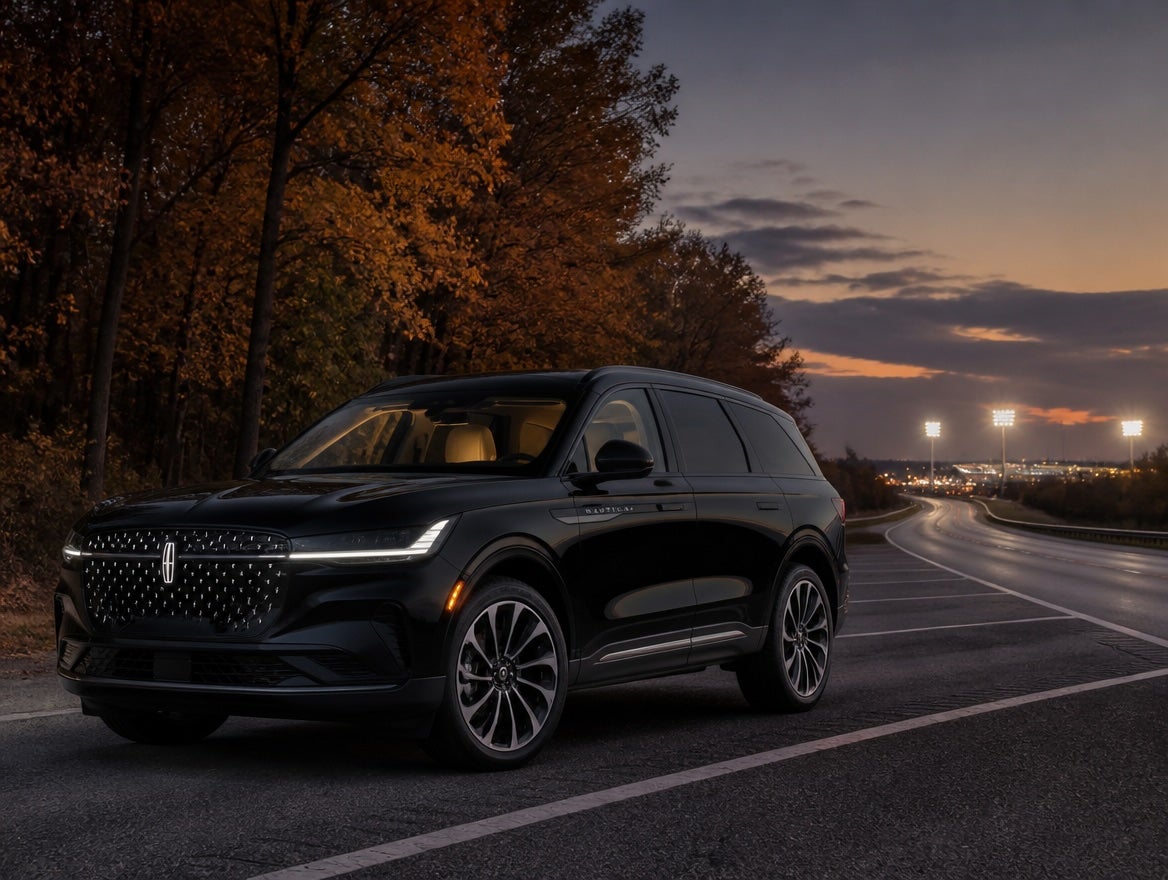
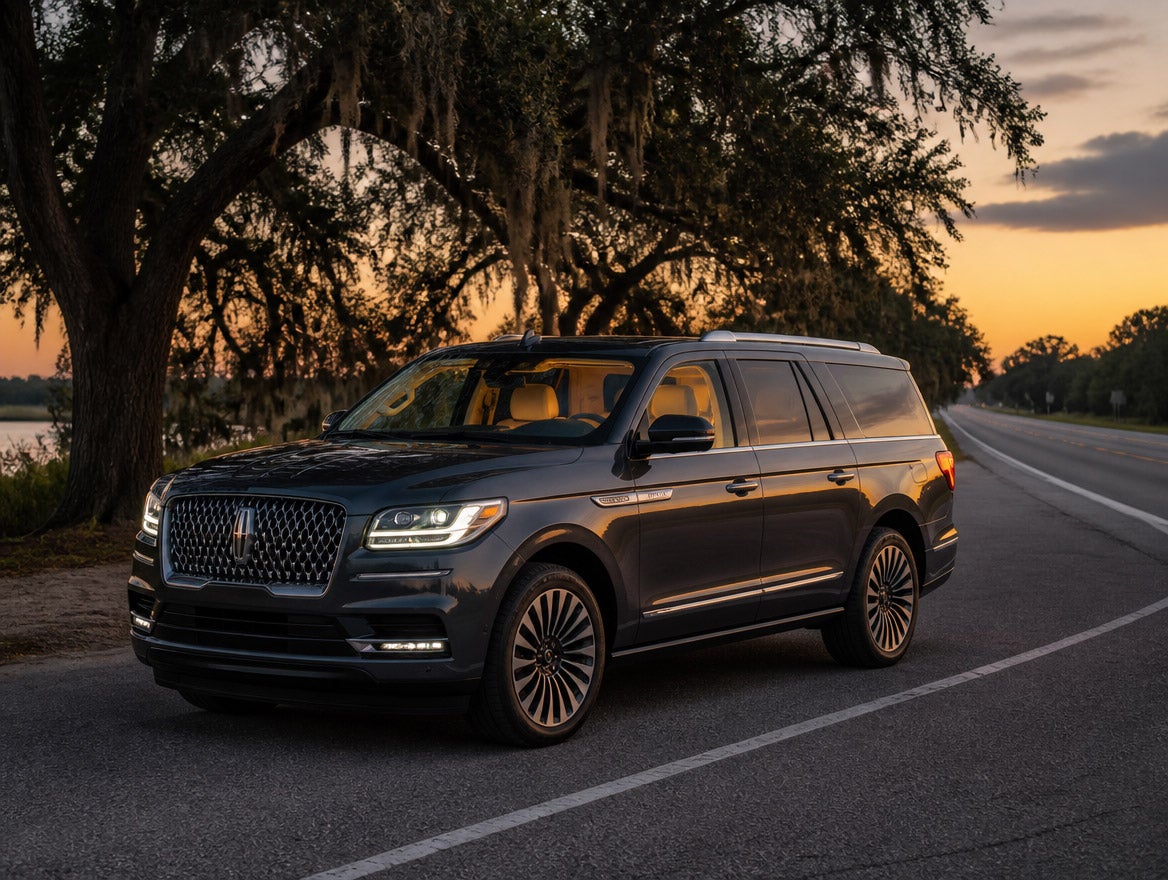
2026 Lincoln Nautilus on an Alabama highway at dusk heading to a football game

Lincoln Nautilus Weekend Football-Trip Guide

Game day in Alabama is a road trip. Whether you're pointing up I-85 toward Auburn or making the longer run toward Tuscaloosa, the September question on our lot isn't "which Lincoln do you prefer?" It's "which Lincoln will actually be comfortable three hours from now, with four adults and a cooler and everyone's opinions about the route?" We've watched that question sort itself out in a pattern our team recognizes. Your answer rides almost entirely on headcount, on cargo reality, and on whether you're doing this twice a month or twice a season. Here is how the 2026 Nautilus, Aviator, and Navigator each handle it. The 2026 Lincoln Nautilus earns the pick for two couples traveling together. It's a specific fit, not a universal win. The short version Two adults or two couples, no towing: the Nautilus is the quietest, most fuel-efficient option and the easiest to park near the stadium Family of five or six who wants real third-row seating: the Aviator carries the people, but its third row is a genuine limitation for adults on a three-hour run Six or more adults, or a trailer for the tailgate: the Navigator handles it; choose the Navigator L when you need maximum luggage space behind all three occupied rows Highway fuel economy: Nautilus Hybrid leads at an EPA-estimated 31 MPG; standard Nautilus follows at 29 MPG; Aviator returns 25 MPG (RWD); Navigator is rated at 22 MPG BlueCruise hands-free highway driving: standard on all three, which earns its keep on a long, straight I-85 run How Do the Three Compare for a Game-Day Run? The differences here are real and measurable, and they sort less by trim than by trip profile, so the honest starting point is your group and your cargo rather than a badge or an options list, which is where these three separate cleanly. We'd rather talk about the trip than the badge. Nautilus Aviator Navigator Seating 5 (two rows) 7 (three rows) 8 (three rows) Cargo behind 3rd row No third row 19.2 cu ft 22.9 cu ft Cargo behind 2nd row 36.4 cu ft 78.6 cu ft (max) 69.9 cu ft Highway MPG 29 MPG (std) / 31 MPG (hybrid) 25 MPG (RWD) 22 MPG Engine output 250 hp, 2.0L turbo 400 hp, 3.0L twin-turbo V6 440 hp, 3.5L twin-turbo V6 Max towing (when properly equipped) Not rated 5,000 lbs 8,700 lbs (with HD Tow Package) BlueCruise standard Yes Yes Yes Best for Two couples, efficiency, easy parking Families of 5-6, balanced space and drive feel Large groups, tailgate trailers, full-group comfort EPA fuel economy figures are estimates; actual mileage varies with conditions and load. Towing figures are maximums when properly equipped; actual capacity varies with configuration and passenger load. The 2026 Lincoln Aviator and the 2026 Lincoln Navigator both carry seven or eight passengers, while the Nautilus carries five. The first cut is clean. Everything else follows from that. What Does Your Trip Actually Look Like? Where most comparisons stall is the assumption that describing the vehicles answers the question, when what actually decides it is the shape of your trip, so we'd rather start with the drive itself and let the three Lincolns fall where the miles and the seats put them. The two-couple scenario. Four adults, four bags, a cooler, and the Nautilus takes it without strain. Lincoln lists cargo volume at 36.4 cubic feet behind the second row with seats up, which is enough for four overnight bags with room to spare. Acoustic laminated glass and Active Noise Control keep the highway stretch quiet, the kind of quiet you'll notice around hour two. At an EPA-estimated 29 MPG highway on the standard powertrain, a Montgomery-to-Tuscaloosa round trip of roughly 220 miles asks less of the fuel gauge than anything else in this lineup. The Hybrid pushes that to an EPA-estimated 31 MPG highway. The tradeoff is plain. Five passengers and it gets tight, because the Nautilus has no third row, and you cannot force it into a six-person role. Don't try. The family-of-six scenario. The Aviator is the natural reach here, and reasonably so. Lincoln publishes 400 horsepower and 415 lb-ft of torque from the 3.0L twin-turbo V6, which makes the highway pull feel effortless even fully loaded. Cargo behind the third row comes in at 19.2 cubic feet. That fits four bags for a weekend. It does not fit six adults' luggage. You'll make a choice between people and gear, and that's worth knowing before you pack the driveway. The third row is where we'd level with you. On a three-hour drive, adults back there won't be comfortable for the whole run. A workable row for shorter distances, and a proper row for younger passengers on longer ones. We'd call it a genuine limitation, and we'd tell you the same thing on the showroom floor. The 2026 Aviator's 3.0L twin-turbo V6 produces 400 horsepower and 415 lb-ft of torque per Lincoln's published specifications, meaning the highway pull never feels like work even with a full cabin. The large-group or tailgate-trailer scenario. For a large group or a tailgate trailer, the Navigator is the one that fits, and we won't pretend otherwise. It seats eight, returns an EPA-estimated 22 MPG highway (Lincoln's published figure for the 4WD configuration), and tows up to 6,200 pounds in base configuration or 8,700 pounds with the available Heavy-Duty Trailer Tow Package when properly equipped. It covers a loaded utility trailer, a pop-up camper, or a pontoon on a short hitch. Max towing varies with configuration and passenger load. A note on the road: BlueCruise hands-free highway driving comes standard on all three 2026 Lincoln models. On a familiar, long stretch of I-85 with light traffic, it moves from a line on a spec sheet to something you actually lean on. Lincoln describes it as a driver-assist system that requires an attentive driver at all times, which is the correct framing. It earns its keep on exactly this kind of trip. Match the Vehicle to Your Group The matrix hands you the numbers, and translating them into a pick comes down to who is riding along and what you're hauling, so read each recommendation below against your own driveway rather than against a spec you liked in isolation. Choose the Nautilus when you're traveling as a couple or with one other couple, you value cabin quiet and highway efficiency over headcount, and you want a vehicle that parks like a midsize SUV in a full stadium lot. Call it the right instrument for that particular job, not a consolation prize. The available 48-inch panoramic display, available massage seats, and Lincoln Rejuvenate sensory coordination make a three-hour drive feel shorter than it is. Choose the Aviator when your group includes children or younger adults in a third row, you need real cargo volume behind the second row (78.6 cubic feet is a meaningful number when you're loading sporting gear), and the occasional tow of up to 5,000 pounds when properly equipped fits your lifestyle. It's also the most athletic of the three on a winding road. The distinction matters to some buyers and not at all to others. Choose the Navigator when your group is six or more adults who all expect to be comfortable for the full trip, or when you're pulling a trailer regularly. The Navigator L is the specific answer when you need those three rows occupied and usable luggage space behind them. Lincoln lists 22.9 cubic feet behind the standard Navigator's third row and 36.1 cubic feet behind the Navigator L's, and that difference shows when you're loading up. The Navigator L earns its keep on exactly this kind of full-group trip, when the standard wheelbase's 22.9 cubic feet behind the third row simply isn't enough. Schedule a Pre-Trip Service Check There's no substitute for sitting in all three rows before a four-hour commitment. Come in when it suits you, and we'll set the right one alongside your group and let the geometry settle the question. By the Stivers Lincoln of Montgomery Team | November 2026 Frequently Asked Questions Which Lincoln SUV is most fuel-efficient for a long highway drive? The 2026 Lincoln Nautilus Hybrid leads the lineup for highway fuel economy, with an EPA-estimated 31 MPG highway. The standard Nautilus follows at an EPA-estimated 29 MPG highway. The 2026 Aviator returns 25 MPG highway on rear-wheel-drive models per Lincoln's published figures. The 2026 Navigator is EPA-estimated at 22 MPG highway in its standard 4WD configuration. All figures are estimates; actual mileage varies with load, driving conditions, and style. Can the Lincoln Aviator's third row comfortably seat adults on a long road trip? The Aviator's third row seats adults on shorter drives without much complaint. On a three-hour-plus highway trip, most adults find it workable but not the most comfortable place to spend an afternoon. If your group regularly travels with adults occupying all three rows, the Navigator's third row is meaningfully more spacious, and the Navigator L adds over 13 cubic feet of additional luggage room behind those seats compared to the standard Navigator. Explore Your Financing Options Stivers Lincoln of Montgomery 4000 Eastern Blvd, Montgomery, AL 36116 (334) 647-6905

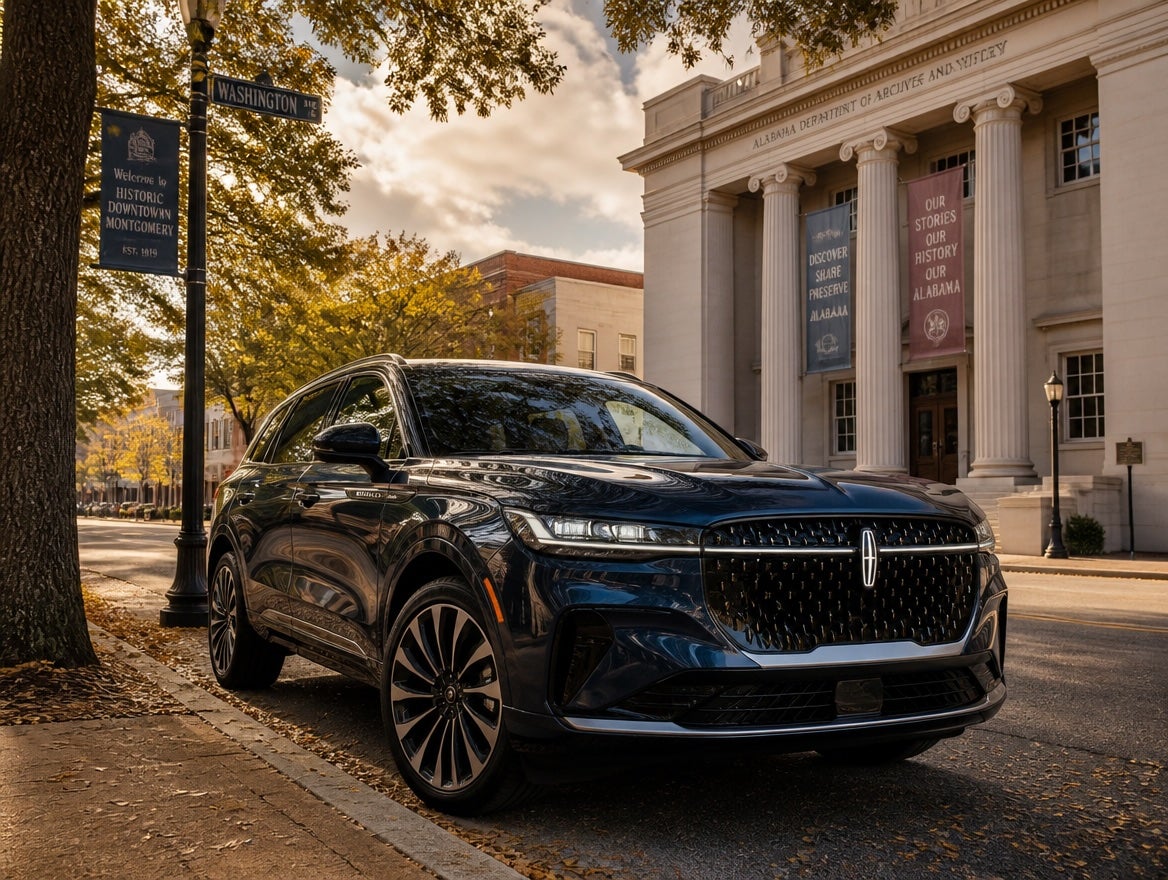
2026 Lincoln Nautilus on Washington Avenue near the Alabama Department of Archives and History in downtown Montgomery

Visiting the Alabama Department of Archives and History in a Lincoln

Admission is free, the building is open Monday through Saturday, and the research collections run until 4:30 p.m. The Alabama Department of Archives and History asks nothing of you but time. What it asks of your vehicle is simpler, a smooth, unhurried drive into downtown Montgomery and a comfortable place to come back to when you're done. Both are worth prepping for. The Lincoln Nautilus handles this kind of day well. So does the Lincoln Aviator for larger households. Preparation matters either way, though, and the checklist below covers both the drive and the visit itself. What Goes on the Checklist? Plan the vehicle, the route, and the visit in that order and the day falls into place without much fuss, though you'll want everything squared away before you leave Eastern Boulevard, because the Capitol district doesn't leave much room to improvise once you're circling for a space. The list below splits into two halves. Vehicle Preparation Confirm your fuel level. The drive from east Montgomery into the Capitol district is short, but it's worth arriving with a full tank if you plan to add other downtown stops after. Check tire pressure before you go. November temperatures in Alabama are still warm enough that a tire starting the day underinflated will shed air as it heats up on downtown pavement. Enable BlueCruise for the I-85 stretch (2026 Navigator owners, it's standard on your vehicle and covers the relevant divided highway corridor). BlueCruise is a driver-assist system that requires an attentive driver at all times. Verify your navigation is updated. Washington Avenue in the Capitol district has one-way sections, and arriving from I-85 southbound via Union Street is the cleanest approach. Confirm your preferred parking plan before you leave. See the parking section below. If guests are riding in the third row (Aviator or Navigator families), set the rear climate controls before the drive so the cabin is balanced by arrival. Pack any research materials digitally. The Research Room has its own protocols for what you may bring inside. Note the Research Room hours separately: Tuesday through Saturday, 8:30 a.m. to 4:30 p.m. If you're coming on a Monday for the Museum of Alabama only, the Research Room won't be open. Visit Logistics Plan to arrive no later than 3:00 p.m. if you want Research Room access. The last box retrieval from the collections is at 4:00 p.m. Budget a minimum of 90 minutes. The Museum of Alabama alone justifies it, and that's before the research collections. Note the south entrance. The Adams Avenue side of the building bears the inscription "ALABAMA WORLD WAR MEMORIAL" above the doors, and that's the entrance closest to the free parking lot. Groups of 15 or more should arrange a guided tour in advance by contacting the ADAH at 334-242-4364. Bring a valid photo ID for Research Room registration. Download or screenshot the collections database ahead of time if you have a specific record in mind. It reduces time spent orienting once you're inside. Why These Items Matter The checklist traces back to geography, since the Alabama Department of Archives and History sits at 624 Washington Avenue, directly across the street from the Alabama State Capitol, on a block that ranks among the most logistically dense in Montgomery, and the parking is the part that's easy to underestimate from the east side. A limited free lot sits right behind the building on Adams Avenue, and it fills. Arriving before 10:00 a.m. on a weekday gives you the best shot at that lot without circling the block. On-street metered parking is available on Washington Avenue, Bainbridge Street, and Adams Avenue. Saturday meters are free. The I-85 corridor between Eastern Boulevard and Exit 1 at Union Street is designated as a Hands-Free Blue Zone. Lincoln lists over 130,000 miles of prequalified divided highway in the BlueCruise network, and this segment qualifies. For Navigator clients, BlueCruise is standard on the 2026 model and includes a four-year subscription, covering automatic lane centering, Lane Change Assist, and In-Lane Repositioning. It requires your eyes on the road at all times. Still, it makes the short highway leg genuinely relaxed rather than merely short. The cabin is the other reason the prep pays off. November in Montgomery still carries humidity, worst in the early afternoon when downtown pavement radiates heat, and that afternoon load is a condition our team plans around before leaving the lot. The 2026 Nautilus and Aviator both include climate-controlled front seats, and the Navigator's rear climate system operates independently of the front cabin. Setting those before you leave means nobody's adjusting vents in the Capitol district parking lot. One limitation worth naming honestly, the 2026 Nautilus is a two-row vehicle, and its cargo area is built around luggage and errands rather than a research day with a family of five. If you're bringing materials, laptops, and a full passenger complement, the Aviator's additional row and 77.7 cubic feet of total cargo space give you more breathing room. The Nautilus wins on efficiency (the EPA rates it at 21 city and 29 highway miles per gallon for the standard gas powertrain) and on ease of navigation in tight downtown blocks. Neither's wrong. They suit different configurations of the same afternoon. Before your trip: The Research Room is closed on Mondays and on all Alabama state holidays. The Museum of Alabama is open Monday through Saturday. If your goal is genealogical research or original document access, confirm the day of your visit against the Research Room calendar on the ADAH website before you leave home. Item Why It Matters Tire pressure check November downtown pavement can cause underinflated tires to shed pressure as they warm; caught at home, it's a two-minute fix Fuel before you go Short drive, but Capitol-district stations require a detour; the trip is calmer without that errand Navigate to Adams Avenue entrance Free parking lot is behind the building; Washington Avenue front entrance has no dedicated lot Arrive by 3:00 p.m. for Research Room Last collections retrieval is 4:00 p.m.; arriving at 4:15 closes that option entirely Rear climate on before departure November Alabama humidity makes the cabin uncomfortable by arrival if you wait; 2026 models allow pre-departure climate control through the app Digital copy of target records Reduces search time inside and lets you confirm holdings before the drive Note Monday Research Room closure Museum stays open Mondays; Research Room does not Print-and-Go Recap The ADAH charges no admission and closes at 4:30 p.m., Monday through Saturday, while the Research Room keeps a tighter window, closing Mondays and halting record retrieval at 4:00 p.m., with free parking tucked behind the building on Adams Avenue. From I-85, take Exit 1 at Union Street southbound and turn left onto Washington Avenue. On the vehicle side, check tire pressure, confirm fuel, and switch your navigation on before you reach downtown. Navigator owners have BlueCruise available on the I-85 segment as a driver-assist feature. Set rear climate controls before departure on days above 75 degrees. If you're bringing a larger group or research materials, the Aviator's third row and added cargo volume earn their consideration. Browse the Aviator lineup or stop by our showroom on Eastern Boulevard to talk through which configuration fits how you move. Worth flagging before this trip, the visit's easy to underestimate and the parking easy to overestimate. Both are easy to fix in advance. The drive itself takes care of itself. FAQ: Is the Alabama Department of Archives and History free to visit? Yes. Admission to the Alabama Department of Archives and History, including the Museum of Alabama, is free and open to the public. The building is located at 624 Washington Avenue in downtown Montgomery, directly across the street from the Alabama State Capitol. A limited free parking lot is available behind the building on Adams Avenue. Which Lincoln works best for a day-trip into downtown Montgomery? The right answer depends on who's going. The 2026 Nautilus, with its 193-inch length and standard all-wheel drive, is the easier vehicle to maneuver and park in the Capitol district. The 2026 Aviator gives you a third row and more cargo volume for larger parties. The 2026 Navigator is the flagship choice for the longest drives and the largest groups, with BlueCruise standard on divided highways including the I-85 approach to downtown. Our team at Stivers Lincoln of Montgomery is on Eastern Boulevard, and we're happy to walk you through any of them in person. Prepare Your Lincoln Before the Drive Stivers Lincoln of Montgomery 4000 Eastern Blvd, Montgomery, AL 36116 (334) 647-6905

2026 Lincoln Nautilus parked under live oaks in east Montgomery Alabama, representing Lincoln oil change service care

When Does Your Lincoln Need an Oil Change? A Montgomery Owner’s Guide

In this article What's the Plan at a Glance? What the Intelligent Oil-Life Monitor Is Actually Measuring Montgomery's Climate Does Change the Calculation The Right Oil Matters as Much as the Interval The monitor handles the countdown. What it can't do is explain what it's actually saying when the message changes, and in Montgomery's climate, that distinction matters more than the number on the sticker. A 2026 Lincoln Nautilus running routine east-side errands and a Nautilus doing a lot of short stops in July heat will get different oil-change requests from the same system, on the same calendar. That gap is the whole point of the Intelligent Oil-Life Monitor. The system watches how you actually drive and sets the interval from there. Our service team sees it prompt service anywhere from six months to a full year depending on how the vehicle has been used. Both are correct. Neither surprises us. What's the Plan at a Glance? The table below maps the four signals your Lincoln can show you, running from a healthy reading through a past-due alert, and it tells you what each one actually calls for so you're never guessing at the wheel. We'd walk you through this same rundown standing on the service drive. It won't take long to read. What Your Lincoln Shows What It Means What to Do Time Frame Oil life 15% or above Comfortable margin remaining Monitor normally No action needed "Change Engine Oil Soon" Approximately 5% of oil life left Schedule service Within the next week or two "Oil Change Required" Calculated oil life at 0% Bring it in now Promptly Lincoln app past-due alert 0% for 3 or more days or 500 or more miles Book immediately Do not delay Lincoln's published guidance sets one hard ceiling regardless of what the monitor shows. No more than one year or 10,000 miles between oil changes, whichever arrives first. Drive fewer than 10,000 miles in a year and the calendar still wins. Schedule Your Lincoln Oil Change What the Intelligent Oil-Life Monitor Is Actually Measuring The Intelligent Oil-Life Monitor calculates oil change service intervals based on your vehicle's use, operating conditions, and time since the last oil service rather than counting miles, which is exactly why two identical Lincolns on the same block can ask for an oil change weeks apart. More specifically, it calculates a percentage of oil life remaining, from 100% to 0%, and it weighs factors like engine temperatures, idling, towing, and your other driving habits. That's why a Navigator towing a trailer through a run of hot afternoons and a Navigator doing mostly airport runs will split on what the system asks for, even when they share a model year and the same oil. The two messages on the display mean two different things. "Change Engine Oil Soon" means the vehicle has approximately 5% of its oil life remaining, and the oil and filter should be replaced soon. Think of it as a planning message. "Oil Change Required" means the calculated oil life has reached 0%. One hands you a comfortable window to schedule. The other is asking you not to wait. Owners using the Lincoln app get a third threshold on top of those two. A Time to Plan notice appears within 30 days of the estimated service date, and a past-due alert fires once the vehicle has sat at 0% for three or more days or 500 or more miles. Check the app now and then, and you'll generally have good warning long before the cluster message ever appears. Insider note: The monitor resets on the steering wheel, not at the pump. After any oil service here, press the setup button and scroll to "oil-life percentage reset." Your Lincoln has to confirm the service before the estimate recalibrates. Miss that step and the app and cluster both keep counting from the old baseline. Montgomery's Climate Does Change the Calculation Montgomery's climate does shift what the monitor calculates, because the IOLM's algorithm accounts for operating temperature and driving pattern, and our summers press on both of those at once in a way the generic maintenance guides never bother to address. Our summers are genuinely demanding on both counts. Sustained high ambient temperatures sit on the manufacturer's own list of severe-service conditions, and our summers qualify with no argument. Summers in Montgomery regularly push past 95 degrees, and underhood temperatures climb considerably higher than that. At those numbers, oxidation speeds up, and it doesn't do it gently. As a rough rule, oil breaks down about twice as fast for every 18-degree rise in operating temperature, so a July commute isn't the same chemical environment as a January one. Short trips compound all of it. Frequent runs under 10 miles keep the oil from reaching full operating temperature, so moisture and fuel dilution never get the chance to burn off. Humidity pairs with those short trips, and moisture condenses inside the crankcase (Montgomery air gives it plenty to work with in the warm months). When the engine never runs long enough to boil that water off, it stays in the oil and helps form sludge. Aviator owners who mostly drive short east-side routes, the school run, the office, the grocery trip and back, will see the IOLM prompt service well before the 10,000-mile ceiling. That's the system working exactly as it should. For instance, when a vehicle idles a great deal, the Intelligent Oil-Life Monitor may alert you to change the oil at 7 months or 4,000 miles. After that service, the estimate recalibrates to reflect your actual pattern going forward. Next step: If your Lincoln's oil life has dropped below 15% and you haven't booked service yet, call our team at (334) 647-6905 or use the link below. We'll confirm the right oil spec for your model and get you back on the road without the appointment eating your morning. The Right Oil Matters as Much as the Interval The viscosity your Lincoln calls for is a hard requirement, and it varies by model, so matching the exact spec matters as much as hitting the interval if you want the engine protected through a long Alabama summer the way it was engineered to be. A fair question from Navigator L owners is whether any SAE 5W-30 full synthetic will do, and for current Navigators the answer is yes, provided it meets Ford specification WSS-M2C962-A1. The 2026 Nautilus takes SAE 5W-30 as well, with a capacity of 6.1 quarts including the filter, and it meets specification WSS-M2C971-A1. The current Aviator's 3.0-liter twin-turbocharged engine also calls for SAE 5W-30 full synthetic, with a 6.0-quart capacity. Full synthetic is the right call for all three. Synthetic holds up longer because it doesn't thicken into sludge as fast when it's cooking under extreme heat. In central Alabama, that property isn't a luxury line item on the spec sheet; it's what keeps the engine protected through six months of heat before the monitor ever asks for service. A detail worth flagging is that the 2026 Nautilus doesn't take 5W-20, despite what some third-party references show. The owner's manual is the governing document, and a service record showing the correct specification protects your vehicle's history. When our team handles the service here, the invoice reflects that spec. That matters at trade or resale. Book a Service Appointment at Stivers Lincoln Stivers Lincoln of Montgomery 4000 Eastern Blvd, Montgomery, AL 36116 (334) 647-6905

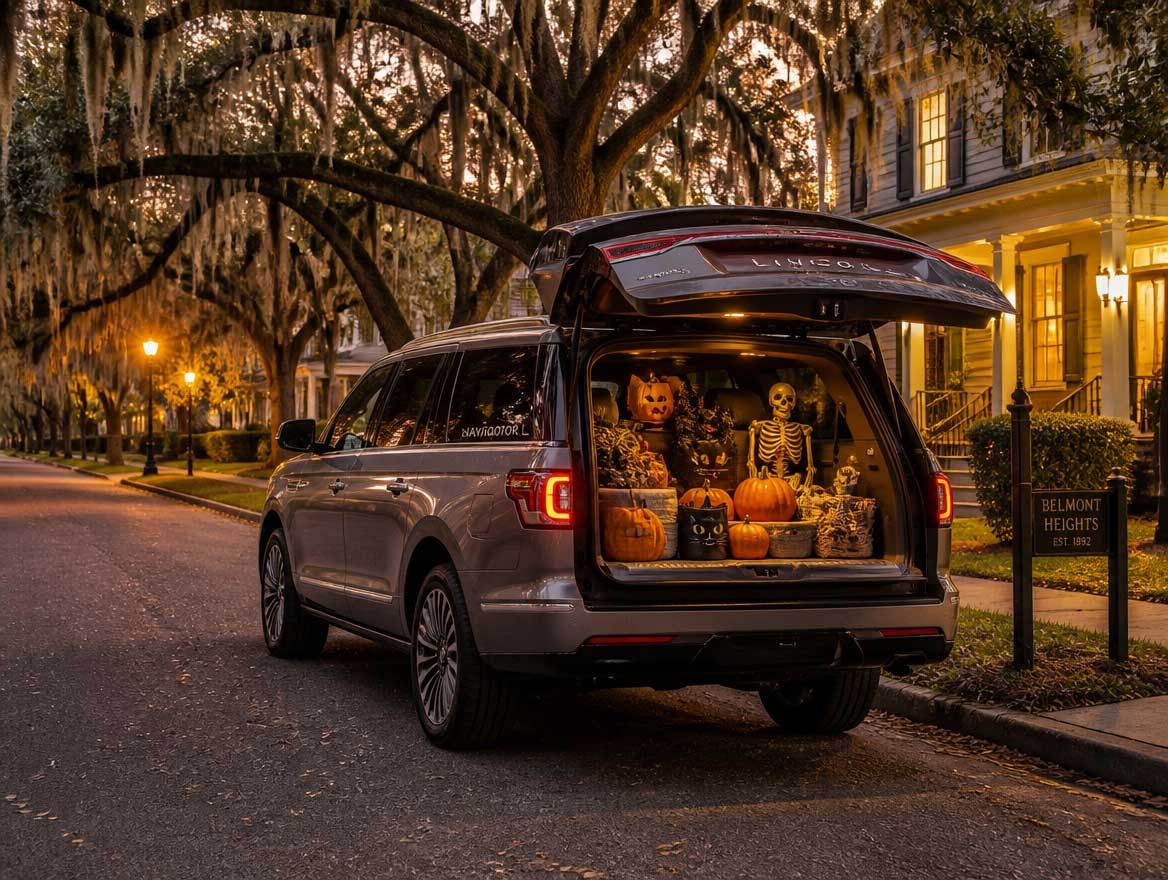
2026 Lincoln Navigator L with open liftgate loaded with Halloween supplies parked on a tree-lined Montgomery Alabama street at dusk

Halloween in Montgomery: Lincoln Cargo and Passenger Space for Fall Plans

Halloween week in Montgomery runs you ragged. Trunk-or-treats at Regency Park and Sheridan Heights, the HOWL-o-WEEN BASH at the Montgomery Zoo on October 31, the Haunted Coliseum at Garrett Coliseum, and the Hocus Pocus screening at the Capri Theatre in Old Cloverdale on October 27 mean multiple trips across town, often with costumed passengers, a full cargo bay, and at least one very excited child who can't sit still. A fair question before all of it is a plain one, whether your Lincoln holds the whole night. The answer's yes, with a caveat worth a few paragraphs. Which Lincoln you drive, and how you set it up for each outing, decides whether the evening runs smooth or whether you're reorganizing the cargo area in a parking lot at dusk. Match the vehicle to the plan, and the rest gets easy. Browse the 2026 Lincoln Aviator at Stivers Lincoln of Montgomery Do This, Not That: Halloween Load Planning by Model Lincoln publishes exact cargo figures for every 2026 model, and those numbers earn their keep the moment you're packing for a night out rather than reading a brochure, so the table below maps the published volumes against the Montgomery Halloween scenarios families actually run. Read it as a shortlist, not a ranking. Lincoln Cargo Behind 3rd/2nd Row Full Seats? Best-Fit Halloween Scenario Skip It When... Nautilus 36.4 / 71.3 cu ft Up to 5 passengers, two rows Couple or small family heading to Capri Theatre or a single trunk-or-treat stop; organized bags, no bulk You need a third row or have more than five passengers and a full gear load Aviator 16.5 / 39.9 cu ft (3rd row up); 75.9 cu ft max Up to 7, three rows Multi-child family running the zoo party then a community center trunk-or-treat; PowerFold third row drops at a button press to reclaim space between stops You need the third row AND a full cargo bay at the same time; that combination simply does not exist in this body size Navigator 22.9 / 60.8 cu ft (rows up); 107.0 cu ft max Up to 8, three rows Large family or neighborhood carpool with costumes, a folding wagon, and a stroller; extra rows without sacrificing the cargo bay the way a midsize does You want maximum rear cargo with all three rows occupied; the Navigator L is the honest answer there Navigator L 37.4 / 75.4 cu ft (rows up); 121.6 cu ft max Up to 8, three rows Maximum-capacity nights: full passenger load plus all the gear, trunk-or-treat supply boxes, or a pop-up setup for a neighborhood party Tight driveways or parking structures with a length ceiling; at 221.9 inches, the L rewards open lots Lincoln lists these cargo volumes on the 2026 model pages, and the Navigator L's edge over the standard Navigator comes to 14.5 additional cubic feet behind the third row, all of it from the 11 extra inches of wheelbase. Eleven inches buys a lot. The Technique That Actually Changes the Evening See 2026 Navigator L availability Folding the seats at home before you pull out of the driveway does more for a Halloween night than almost anything on the window sticker, because the Aviator's PowerFold third row and the Navigator's power second and third rows all drop flat at a button press, and setting them in your own driveway beats setting them with a line of cars idling behind you. Do it while the kids are still wrestling into costumes. On the Aviator, Lincoln's PowerFold third-row seat lays flat at a button press right beside the cargo opening, so there's no reason to leave it for the lot. View 2026 Navigator inventory Owners who wait until they're at Paterson Field at 5:30 p.m. with cars stacked behind them are the ones who end up leaving the stroller at home, every time. On the Navigator and Navigator L, the same PowerFold second and third rows give you one-touch reconfiguration. Pick your passenger count for the first stop, set the seats before you leave, and roll out with the cargo area flat and loaded. The one honest trade-off in the Aviator is worth naming straight. Lincoln lists 16.5 cubic feet behind the third row with all seats occupied, which covers a few treat bags and a small cooler and not much more. A folding wagon, a full set of costumes on hangers, and two pumpkins won't fit back there with the row up. If your family keeps that third row up all night, plan the cargo list around it or step up to the Navigator body. Tip. If you're running multiple stops, keep a designated "costume staging zone" in the second-row footwell rather than the cargo area. Costumes shift and wrinkle flat in a cargo bay, so a garment hook on the Navigator's available second-row headrest area keeps them off the floor entirely. Small detail, large payoff at stop number three. A Calm Vehicle Makes a Long Night Easier The practical measure of a good Halloween vehicle isn't only how much it holds but how calmly it holds it, and Lincoln's cabin insulation across the 2026 lineup keeps the interior composed even when the passenger count is at capacity and the energy in the back seat is anything but. We'll flag one seasonal thing we see in the east-side lane: after a warm Montgomery afternoon, the A/C carries the whole cabin load before the costumes even come out, so a quick pre-holiday check pays off. Browse our current Lincoln inventory at Stivers Lincoln of Montgomery Whether the plan is one stop at Old Cloverdale or a full circuit from the Montgomery Zoo to Garrett Coliseum and back east on Eastern Boulevard, the right configuration means you arrive composed instead of rearranging in the dark. Schedule a Pre-Holiday Service Check Load up well, leave the driveway on time, and let the Lincoln do the quiet work. If you'd rather walk through configurations in person before the weekend, our team's at 4000 Eastern Blvd and happy to open every cargo bay on the floor. See What Your Current Vehicle Is Worth Stivers Lincoln of Montgomery 4000 Eastern Blvd, Montgomery, AL 36116 (334) 647-6905
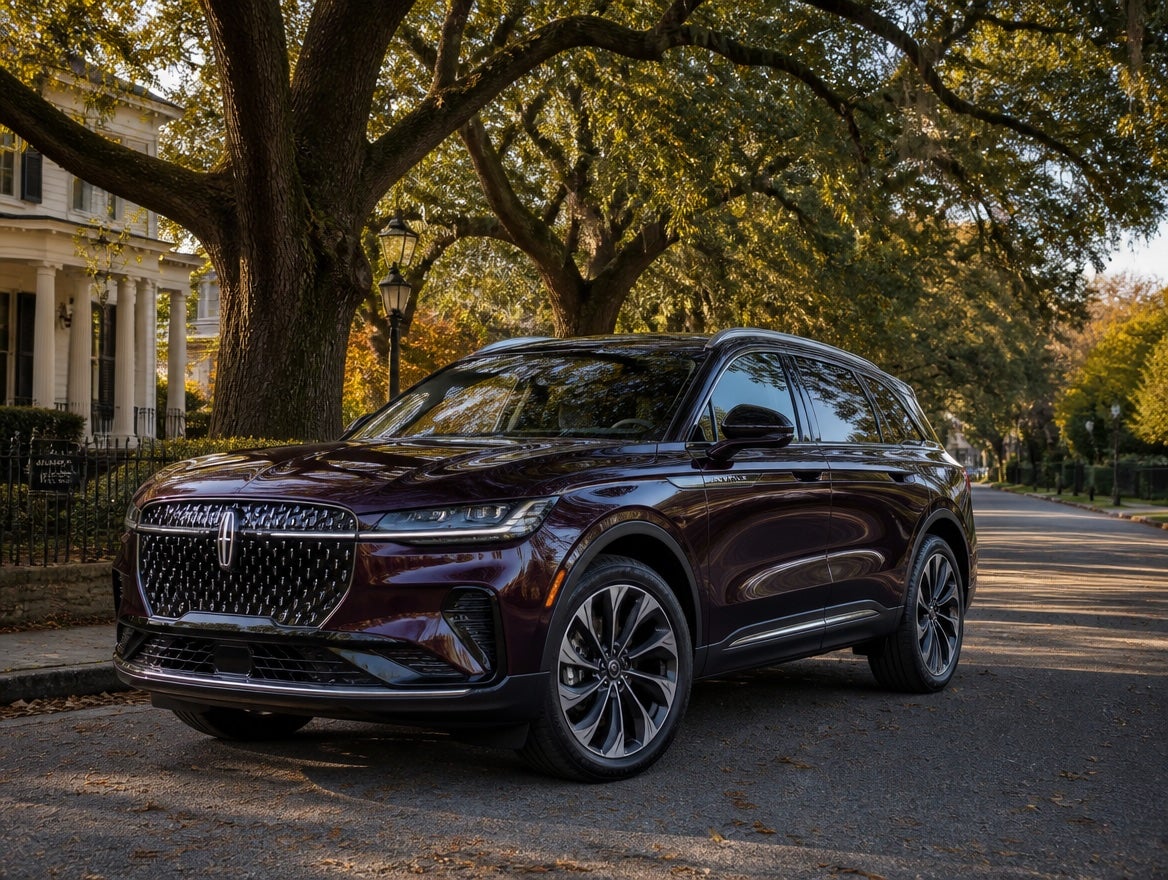
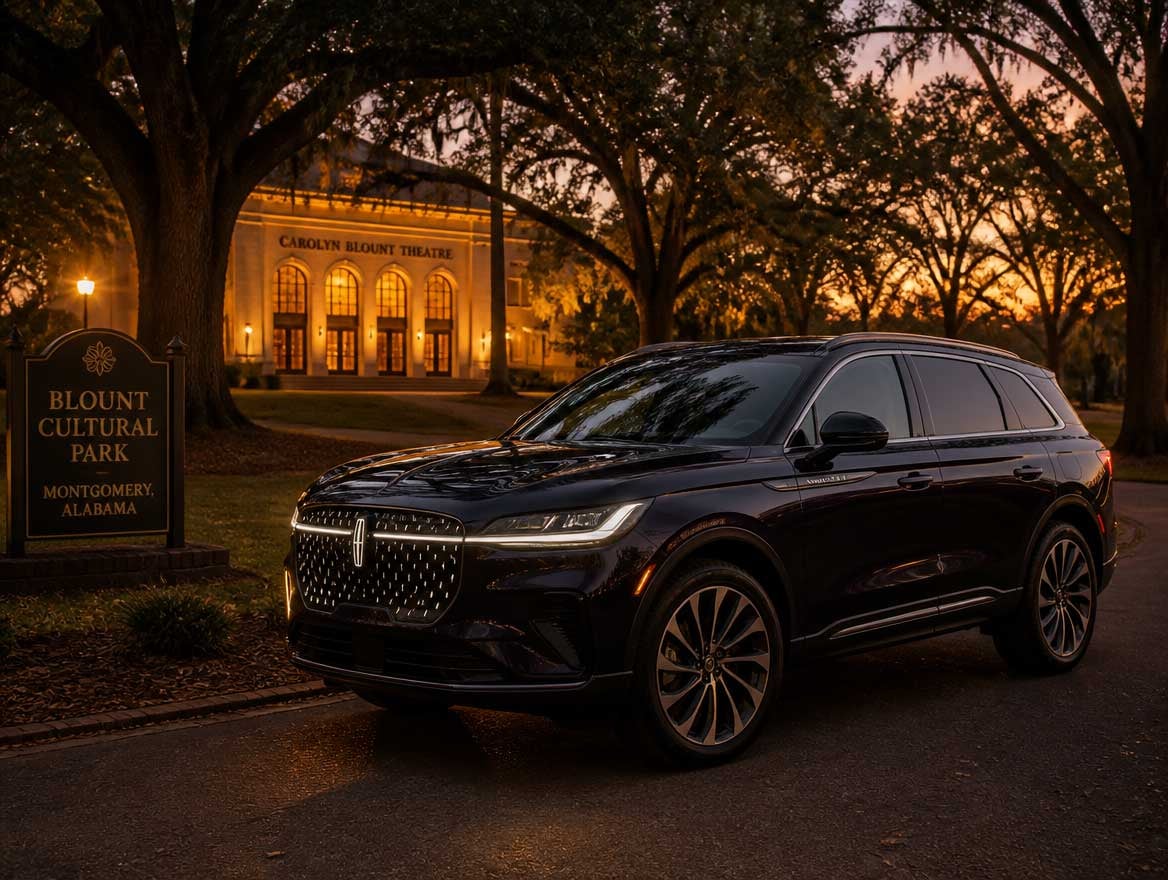
2026 Lincoln Nautilus parked near the Alabama Shakespeare Festival at Blount Cultural Park in Montgomery AL on a fall evening

Taking a Lincoln Nautilus to the Alabama Shakespeare Festival

October evenings at the Wynton M. Blount Cultural Park carry something Montgomery does reliably well. The air finally breaks, the live oaks hold their color, and the walk from the parking lot to the Carolyn Blount Theatre feels like a genuine occasion. We think about that walk whenever someone asks our team what to drive to the ASF. It matters more than you'd guess. The 2026 Lincoln Nautilus fits this particular outing about as cleanly as any vehicle we carry. Not because it's the largest or the most dramatic, but because its engineering lines up with what the evening actually asks of you. Arrive unhurried, step out composed, sit through two acts without your lower back registering a complaint, and find your way home on Eastern Boulevard without giving it much thought. The 2026 Nautilus is built around cabin quiet and composed arrival, the two things an ASF evening actually demands from a vehicle. Why Does the Nautilus Fit an ASF Evening? The Nautilus fits an ASF evening because the conditions at Blount Cultural Park map almost directly onto what Lincoln engineered into it, from cabin filtration for October pollen to a quiet interior on the drive home. It won't swallow a big group. For a couple, it reads the night well. The table below shows how the conditions at Blount Cultural Park line up with what Lincoln built in. Local condition or use The Nautilus feature that handles it Why it matters on this specific outing October pollen and fine dust on park grounds Available Auto Air Refresh (filters fine particles and some allergens including pollen, per Lincoln) You arrive in evening clothes; the cabin air stays clean on the approach Eastern Boulevard to the park at dusk, real stop-and-go BlueCruise 1.5, standard on every 2026 Nautilus trim (hands-free highway assist with automatic lane change on approved roads) Removes the low-grade tension from the commute before curtain Parking in the lot adjacent to the Festival Stage Standard surround-view parking system The park lot is comfortable; a surround-view camera makes any close pull-in a non-event Two-plus hours of sitting before you're back in the car Available 24-way Perfect Position front seats with Active Motion massage functionality and thigh extenders Seat comfort on a long sit is the thing people only notice when it isn't there Navigation and audio during the drive 48-inch panoramic display standard on all trims, spanning the dashboard pillar to pillar Drop a pin for 1 Festival Drive and the cabin does the rest Arriving and departing without fatigue Active Noise Cancellation, acoustic-laminated windshield and front door glass, engine compartment insulation Lincoln's three-layer quiet-cabin system; the brand describes the result as "a peaceful and serene interior" The Quiet Cabin Is the Detail That Earns Its Keep Browse what we currently have in Nautilus inventory and you'll notice Lincoln lists Active Noise Cancellation as standard on the 2026 model across all three trims, Premiere, Reserve, and Black Label, which is a deliberate design position and one that holds up on Eastern Boulevard at ten minutes to seven, when the road noise is real and you'd rather arrive at the theatre in the mood you left the house in. The quiet cabin works in three layers. Active Noise Cancellation continuously monitors the interior and emits opposing frequencies to counter road and wind sound. The acoustic-laminated windshield and front door glass intercept the frequencies that cancellation can't fully reach. Engine compartment insulation handles what comes through from the mechanical side. Close the door and the October evening recedes. No small thing when you're about to spend two acts listening. One tradeoff is worth naming plainly. The Nautilus seats five and carries 71.3 cubic feet of total cargo volume with the rear seats folded, which is legitimate for a two-row midsize luxury SUV. Two couples, dressed for an evening out, fit without drama. Fill all five seats with a multigenerational group and add luggage, and you'll feel the cabin shrink. None of that's a Nautilus weakness; it's a two-row reality. For that larger group, the Lincoln Aviator with its three-row configuration is the more natural conversation, while for the couple or the two couples who make up the ASF's most consistent audience on any given evening, the Nautilus sits right at the correct size. Lincoln lists the 2026 Nautilus cabin as featuring "Active Noise Cancellation, acoustic laminated windshield and front door glass, and engine compartment insulation" working together to help create a serene interior. . Lincoln Motor Company, official 2026 Nautilus product page See What Your Current Vehicle Is Worth Getting There, and What the 48-Inch Display Actually Does for the Drive Getting to 1 Festival Drive is a short run from most east Montgomery addresses, and either powertrain handles it without complaint. The EPA rates the standard 2026 Nautilus at 21 city and 29 highway mpg with the turbocharged 2.0-liter four-cylinder and standard all-wheel drive. The available hybrid, rated by the EPA at 29 city and 31 highway mpg, recovers more efficiency through the stop-and-go stretch on Eastern Boulevard before the park approach. Either powertrain works for the route. On a warm October afternoon the park lot sits open to the sun, so a vehicle left there soaks up heat before the A/C catches up. Give the cabin a minute before you climb in dressed for the theatre. The drive across those four miles shows the vehicle's character less in fuel numbers and more in how composed the interior feels. The 48-inch panoramic display, which Lincoln lists as spanning the full dashboard from pillar to pillar, earns its place right there. The display lays things out so nothing competes for your attention: Navigation lives on one end. Audio sits on the other. Vehicle information fills the space in between. The display stops feeling like a novelty after the first week. Set the destination, let BlueCruise 1.5 manage the highway segment on approved roads where the system's active, and you reach Blount Cultural Park without having spent the commute solving any particular problem. The ASF draws an audience that came specifically to leave its regular problems behind for the evening. At its best, the Nautilus starts that transition before you've found your seat inside the Carolyn Blount Theatre. When the evening calls for a larger footprint, or you're hosting clients rather than attending quietly, the Lincoln Navigator points the right way. For an evening that belongs to you, the Nautilus does. Keep Your Nautilus Ready for Every Drive Stivers Lincoln of Montgomery 4000 Eastern Blvd, Montgomery, AL 36116 (334) 647-6905
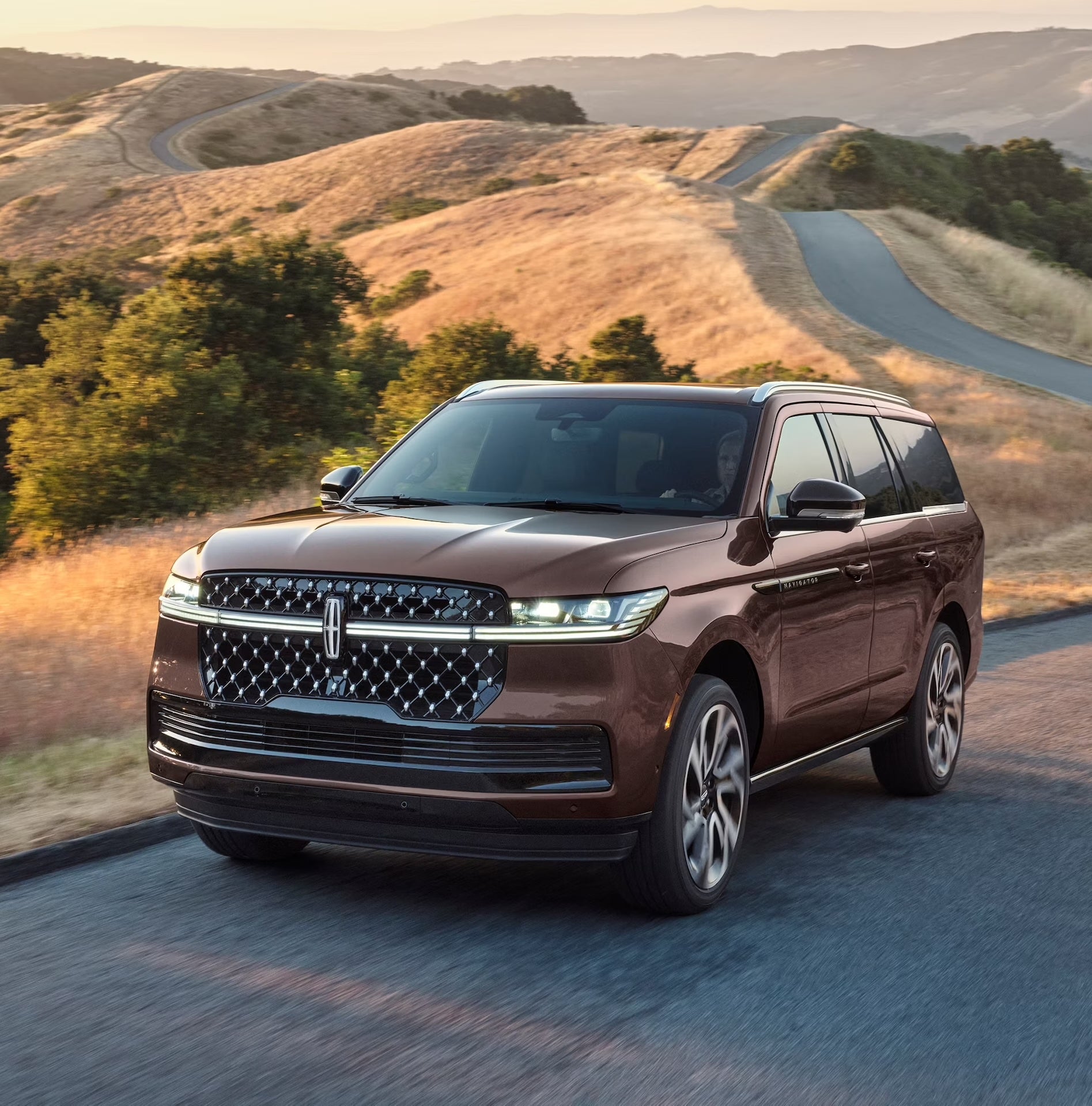
2026 Lincoln Nautilus on the Road

2026 Lincoln Nautilus Hybrid Review

Lincoln advertising occasionally references “The Power of Sanctuary,” but how does that apply to a new crossover or SUV? The editors at Green Cars recently discovered that for themselves after spending time behind the wheel of the 2026 Lincoln Nautilus. Lincoln designers and engineers alike strive to create a vehicle as refined and comforting as possible. Delivering a tranquil environment is a big piece of that formula, and adding the hybrid driveline to the 2026 Nautilus certainly helps. The quieter drive comes from a hybrid system that combines a turbocharged 2.0-liter four-cylinder engine with an electric motor. This driveline is rated at 285 net combined horsepower. All-wheel drive is standard, providing optimal traction through any weather. While powerful, the 2026 Nautilus Hybrid is also efficient according to the EPA, which rates the Nautilus Hybrid at 29/ 31/ 30 MPG city/ highway/ combined. For more of an optimized drive, it is equipped with Lincoln BlueCruise standard. You can drive your 2026 Nautilus Hybrid without outing your hands on the steering wheel over thousands of compatible highway miles, while maintaining your focus on the road. Nautilus designers created an interior that is both relaxing and focused. Drivers are presented with a massive 48-inch panoramic display positioned against the base of the windshield, ensuring it’s naturally within the driver’s field of vision without serving as a distraction. This display also includes a view for each side of the vehicle, activated whenever the turn signals are used and providing additional safety during lane changes. Front passengers can tailor their side of the display to their preferences, whether it’s keeping tabs on live weather information or monitoring audio controls. It is all customizable from the 11.1-inch Lincoln Digital Experience screen on top of the center console. Users can also take advantage of additional connectivity thanks to the new Lincoln Connectivity Package. Provided complimentary for four years, this allows the 2026 Nautilus to serve as a wi-fi hotspot with access to streaming platforms and premium services, such as Hulu, HBO Max, games, and additional apps. When it comes time to truly relax, the available Lincoln Rejuvenate themes can provide a tranquil space, with all screens providing a soothing atmosphere for you and your passengers when parked. What Green Cars editors love most about the 2026 Nautilus Hybrid is the level of luxury it offers to consumers looking for efficiency and sustainability in a SUV. They confirm that it is “smooth and nearly silent,” while applauding the interior and its design, noting that inside and out, the Nautilus Hybrid is “what luxury feels like.” As Green Cars found, the best way to experience the 2026 Nautilus Hybrid is to see one at Stivers Lincoln in Montgomery. Contact us to experience what quiet sanctuary is all about.

2026 Lincoln Navigator L on an Alabama highway ready for a Crimson Tide road trip from Montgomery

Best Lincoln SUVs for Alabama Football Road Trips From Montgomery

In this article How the Three Lincoln SUVs Rank for a Tide Road Trip Navigator L: Built for the Full Crew and the Full Cooler Aviator: The Three-Row Sweet Spot for Most Trips Nautilus: The Quietest Ride for a Couple's Game Day The right Lincoln for a Bryant-Denny game day isn't necessarily the largest one on the lot. The best fit is the one sized to your exact crew, your gear, and ninety-plus miles of I-65 at a steady cruise. While the impeccible Navigator L is the clear pick when you're moving a full group with tailgate supplies in tow, there's better options in the Lincoln lineup for smaller parties, and we'll show you where each model earns its spot on this particular trip. Navigator L: Built for the Full Crew and the Full Cooler Leaving Montgomery with seven people and their gear could be feasible in the standard-length Navigator, but the long-wheelbase Navigator L covers it with margin to spare. Lincoln rates total cargo volume at 107.0 cubic feet behind the first row, with 22.9 cubic feet still open behind the third row even with eight seats filled. That leaves plenty of room for the cooler, the folding chairs, the clear bags (yes, Bryant-Denny's policy requires them), and a little breathing space, if you pack with any sense. Park a Navigator L next to the standard Navigator in our lot, and the extra length behind the third row shows the moment you set a loaded cooler inside. The powertrain turns the I-65 run from effortful into easy. The twin-turbocharged 3.5-liter V-6 puts out 440 horsepower and 510 lb-ft of torque per Lincoln's published specs, and every 2026 Navigator comes standard with four-wheel drive and BlueCruise hands-free highway driving technology. That last piece earns its keep on a long, straight interstate stretch where fatigue sets in before you reach the stadium. BlueCruise works as a driver aid, which means it still asks for an attentive driver even on an open interstate, but the drop in active workload over a 90-minute cruise is real and noticeable. A fair question before this trip is how much room eight people really need on the return leg after a long game. Load the crew plus a weekend of gear, and that guess tends to run short of the actual figure. Aviator: The Three-Row Sweet Spot for Most Trips Most Alabama football road trips from Montgomery don't involve eight people; they involve four or five, plus the one person who insists on bringing a full-size grill, and the Aviator lives squarely in that lane, sized for the moderate-sized group. The 2026 Aviator carries up to seven passengers across three rows and offers 78.6 cubic feet of maximum cargo volume with the rear rows folded. Keep the third row up with everyone aboard, and you've still got 19.2 cubic feet behind it. The standard powertrain is a 3.0-liter twin-turbocharged V-6 producing 400 horsepower and 415 lb-ft of torque, and Lincoln rates towing at 5,000 pounds when properly equipped with the standard Class III Trailer Tow Package. If you're also looking to tow a small utility trailer or a pontoon boat to Lake Martin before swinging west to Tuscaloosa, the Aviator can handle it. The EPA estimates fuel economy at 20 MPG city and 25 MPG highway for AWD models. BlueCruise 1.5 comes standard on every 2026 Aviator trim. The same highway cruise assist the Navigator offers is included at purchase for four years, per Lincoln's published specifications. Check the third row for yourself before you write it off as a penalty box. The Aviator's rearmost seat may not offer quite as much comfort as the Navigator L's third row, but it is still a genuine spot for adults on a short-to-medium trip. On a there-and-back game day, it rides comfortably. On an overnight with luggage, you may start wishing for a little more breathing room. Buying Caution: On home-game Saturdays in Tuscaloosa, post-game parking lots can take 30-45 minutes to clear, and September heat in Alabama is no small thing. Think hard about whether ventilated seats and rear-zone climate control are boxes you want checked before you're idling in a staging lane. Confirm which trims carry these as standard or available equipment before you finalize your build. Explore Financing Options Nautilus: The Quietest Ride for a Couple's Game Day For two or three adults who want comfort, efficiency, and a genuinely quiet cabin over ninety miles of I-65, the Nautilus isn't the consolation prize in this lineup; it earns its spot on merit, even though it's the smallest of the three options. The 2026 Nautilus is a two-row, five-seat SUV, and holds up to 36.4 cubic feet of cargo with the rear seats up and 71.2 cubic feet with them folded. For a couples' trip or a group of three where nobody's hauling cornhole boards or lots of tailgating gear, that's more than sufficient. The standard gas-powered 2.0-liter turbocharged engine is EPA-estimated at 21 city and 29 highway, and the available Nautilus Hybrid is rated at 29 city and 31 highway. Over a 90-mile stretch of I-65, the highway number is the one that counts. Lincoln's own site confirms both figures. The Nautilus also earned an IIHS TOP SAFETY PICK+ rating, with "Good" scores across every crashworthiness category, including the updated side impact test. Worth naming plainly, because a long highway run on a packed game-day Saturday deserves a vehicle with a documented safety record. The tradeoff is real, and we won't gloss it. The Nautilus seats five. It tows 1,750 pounds when properly equipped, and there's no third row. If your group swells to six on the Friday before the game, you're renting a second vehicle or stepping up to an Aviator. Know your usual headcount before you buy. Stivers Lincoln of Montgomery keeps the full lineup in stock across all three models, so you can match the right trim to the right trip without guessing. Value Your Trade Before You Upgrade Stivers Lincoln of Montgomery 4000 Eastern Blvd, Montgomery, AL 36116 (334) 647-690

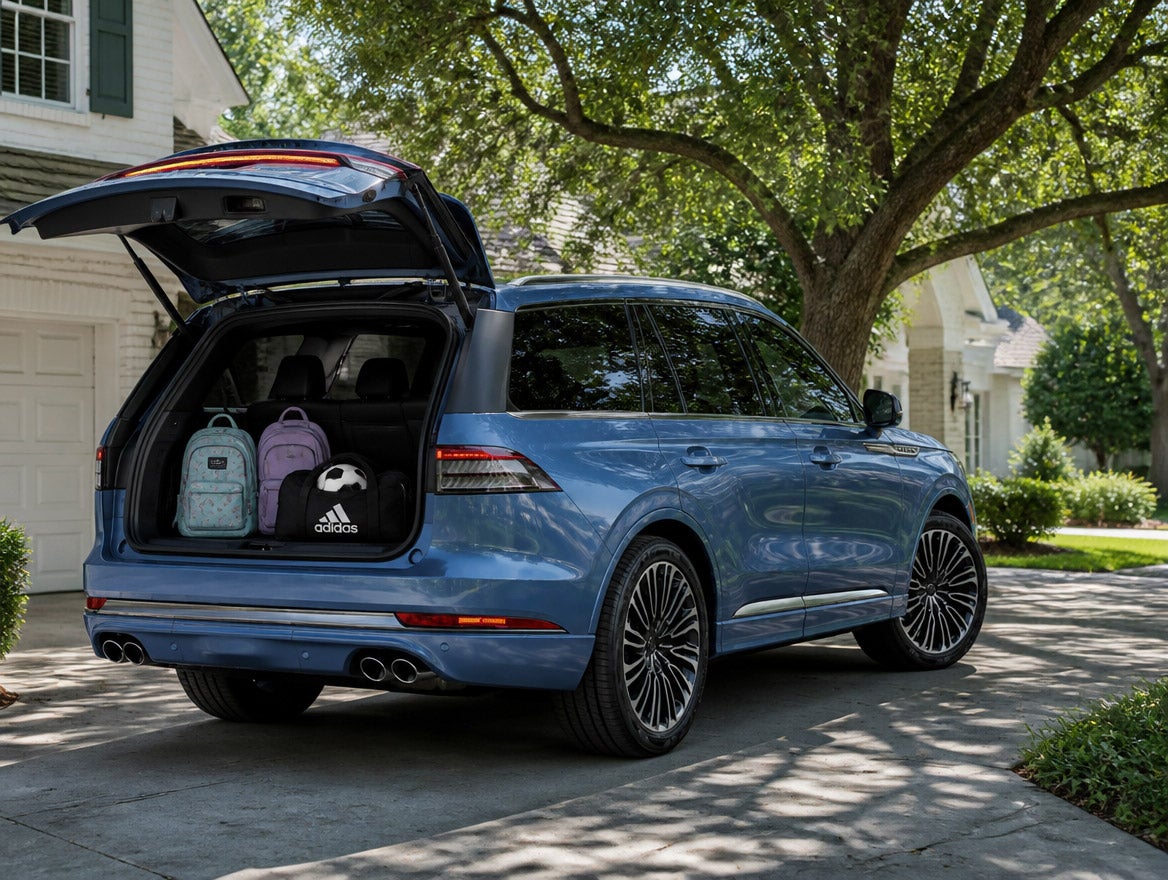
2026 Lincoln Aviator rear liftgate open with school bags in an east Montgomery driveway under live oaks

Lincoln Aviator or Lincoln Nautilus: Which One Better Fits Back-to-School Traffic, Carpools, and Packed Family Schedules?

In this article What's the Real Difference Between These Two? Does the Aviator's Third Row Actually Work for School Runs? Fuel and the School-Run Math Maneuverability on the Eastern Boulevard School Run So Which One Should You Choose? The short answer hangs on one question: how many kids are you loading at once? If the number ever climbs past five, the 2026 Lincoln Aviator is your only choice between these two. If you rarely go beyond four or five, the Nautilus is smaller, lighter on its feet, and far easier to thread through the scrum of a pickup line. The short version The 2026 Aviator seats up to seven and tows up to 5,000 pounds when properly equipped. It's built for the household running three-plus kids or a steady rotation of other people's children. The 2026 Nautilus seats five across two rows, comes standard with all-wheel drive, and offers an EPA-estimated 29 city / 31 highway MPG in hybrid form. It's the pick for smaller households who want a cabin that feels serene rather than full. The trade-off nobody talks about: with all three Aviator rows occupied, cargo drops to just 16.5 cubic feet (Lincoln lists it). Consider that the plain constraint. You can carry six kids or a week of gear. Not always both. The Nautilus holds more behind its rear seats (up to 36.4 cubic feet in Premiere trim) than the Aviator does with row three up. Our best guidance: count the car seats and the duffel bags before you decide. What's the Real Difference Between These Two? Both SUVs share one Lincoln interior philosophy (composed, unhurried, materials that reward a second glance), and yet they answer different questions. The Aviator wants to know how many people you need to move. The Nautilus wants to know how refined you'd like the daily drive to feel. Same family, two very different jobs. Below is the comparison where it counts for an August in Montgomery. Category 2026 Lincoln Aviator 2026 Lincoln Nautilus Rows / Passengers 3 rows / up to 7 2 rows / up to 5 Cargo (all seats up) 16.5 cu ft (behind row 3) 36.4 cu ft (Premiere, behind row 2) Cargo (max, seats folded) 77.7 cu ft 71.3 cu ft Engine 3.0L twin-turbo V6, 400 hp 2.0L turbo I-4, 250 hp (gas) / 285 hp (hybrid) EPA City MPG 18 (RWD) / 17 (AWD) 21 (gas) / 29 (hybrid) EPA Highway MPG 25 (RWD or AWD) 29 (gas) / 31 (hybrid) Towing (properly equipped) Up to 5,000 lbs Up to 1,750 lbs Drivetrain options RWD or AWD AWD standard BlueCruise 1.5 Standard on all trims Standard on all trims The single deciding factor: if you ever need a sixth or seventh seat, the Aviator is the answer. If five seats is your real ceiling, the Nautilus gives you more usable cargo space when those seats are occupied. Does the Aviator's Third Row Actually Work for School Runs? The Aviator's third row works well for children, works acceptably for shorter adults on a quick hop, and it comes with a catch the spec page won't spell out. When that row is in use, Lincoln lists 16.5 cubic feet of cargo behind it. Enough for a stack of backpacks. Not enough for a week of soccer gear. That isn't a knock on the vehicle. It's a legitimate engineering trade-off, and worth understanding before you sign anything. The 2026 Lincoln Nautilus makes the opposite bargain. Two rows, five seats, and 36.4 cubic feet of cargo behind the rear bench in Premiere trim (35.2 in Reserve and Black Label). That's more than double what the Aviator offers with row three up. On the Monday morning when you've got three teammates and their gear after a tournament weekend, you feel that difference right away. For the household that truly needs a third row, the relevant Aviator trims also offer second-row captain's chairs, which drop the count to six but open a center console and give middle-row passengers a real sense of their own space. The bench brings capacity back to seven. Either way, Lincoln's PowerFold third row drops flat with a button, and that matters at 7:45 a.m. when you're managing the morning. Browse our current Aviator and Nautilus inventory to see which trims and configurations are on our lot right now. Fuel and the School-Run Math An August in Montgomery means the air conditioning works hard from the second you start the vehicle, and that's no small thing on a route you drive twice a day. The powertrain math shifts once you factor in that heat load and the crawl of morning traffic. So it's worth taking each engine on its own terms before you decide. The Aviator runs a 3.0-liter twin-turbocharged V6 that Lincoln rates at 400 horsepower and 415 pound-feet of torque. The EPA rates it at 18 city / 25 highway (RWD) and 17 city / 25 highway (AWD). Actual mileage varies by conditions and use. That's a genuinely capable engine for a three-row vehicle. The Aviator also runs on regular-grade fuel, which is worth noting given that the Nautilus gas model recommends premium. The Nautilus gas engine is a 2.0-liter turbocharged inline-four producing 250 horsepower. The EPA rates it at 21 city / 29 highway. The Nautilus hybrid pairs that same 2.0-liter block with an electric motor for a combined 285 horsepower, and the EPA rates it at 29 city / 31 highway. Actual mileage varies. On the lot this August: In Montgomery's stop-and-go school-traffic conditions (Eastern Boulevard at 7:30 a.m. is not a gentle drive), the Nautilus Hybrid's city rating earns more practical meaning. Hybrid powertrains recover energy during braking, and that's exactly the pattern of a school run. None of which is an argument to skip the Aviator. Call it a fair note about where each powertrain shines. Maneuverability on the Eastern Boulevard School Run The Nautilus measures 193.2 inches long and the Aviator stretches to 199.7 inches, so on paper you're looking at about half a foot. In practice, you notice it most in a parking lot rather than on the highway. The Aviator sits on a longer wheelbase footprint (119.1 inches), which means a wider turning circle in tighter drop-off zones. We're not calling the Aviator unwieldy. It isn't. But it is a longer vehicle, and anyone running a packed schedule at a campus with a narrow drive-through lane will feel the extra length. The Nautilus, with AWD standard across every trim, gives east-side Montgomery drivers peace of mind through Alabama's two genuine severe-weather seasons (spring storms March through May, and the secondary window in late autumn) without carrying the length of a three-row body. It's a real local consideration, and it ties back to capability rather than marketing language. Explore Financing Options So Which One Should You Choose? The buyer profile really does split between these two, and we'll be direct about the line. Headcount decides it, and everything else follows from there. Read the two cases below against your own week. Choose the Aviator if: You regularly carry six or seven passengers, you coach a team or frequently transport other families' kids, you tow a trailer, a small boat, or recreational gear (up to 5,000 pounds when properly equipped), or your household regularly needs third-row flexibility even if not every day. The Aviator is also the answer if your family is in a growth phase where seat count matters more than maximum cargo access. See 2026 Aviator inventory at Stivers Lincoln. Choose the Nautilus if: Five seats covers your real-world routine, you value a more nimble daily footprint, you want the available hybrid powertrain for efficiency on a repeat school commute, or you simply prefer a cabin that feels more intimate and less like an event vehicle. The Nautilus gives you more usable cargo room than the Aviator does with row three occupied, and the 48-inch panoramic display makes the interior feel like a different category of vehicle. One straight note on the Aviator: its cabin is refined and genuinely comfortable in rows one and two. Row three suits children best, or shorter adults on drives under an hour. If you expect adults to ride back there in comfort as a matter of routine, a full-size Lincoln Navigator is worth a conversation with our team. Neither of these is the compromise pick. They're different answers to different questions, and the right one comes down to headcount, not to which name sounds better. Frequently Asked Questions How much cargo space does the 2026 Lincoln Aviator have with all three rows in use? Lincoln lists the 2026 Aviator at 16.5 cubic feet of cargo space behind the third row when all seats are occupied. That accommodates several backpacks or a moderate grocery run. With the third row folded, cargo expands to approximately 39.9 cubic feet, and with both rear rows folded it reaches 77.7 cubic feet. Is the 2026 Lincoln Nautilus available with all-wheel drive for wet-road conditions in Montgomery? Yes. All-wheel drive is standard on every trim of the 2026 Lincoln Nautilus. There is no RWD Nautilus. The Aviator, by contrast, is offered in both rear-wheel drive and all-wheel drive configurations, so buyers need to confirm the drivetrain when specifying their order. Value Your Current Vehicle Stivers Lincoln of Montgomery 4000 Eastern Blvd, Montgomery, AL 36116 (334) 647-6905
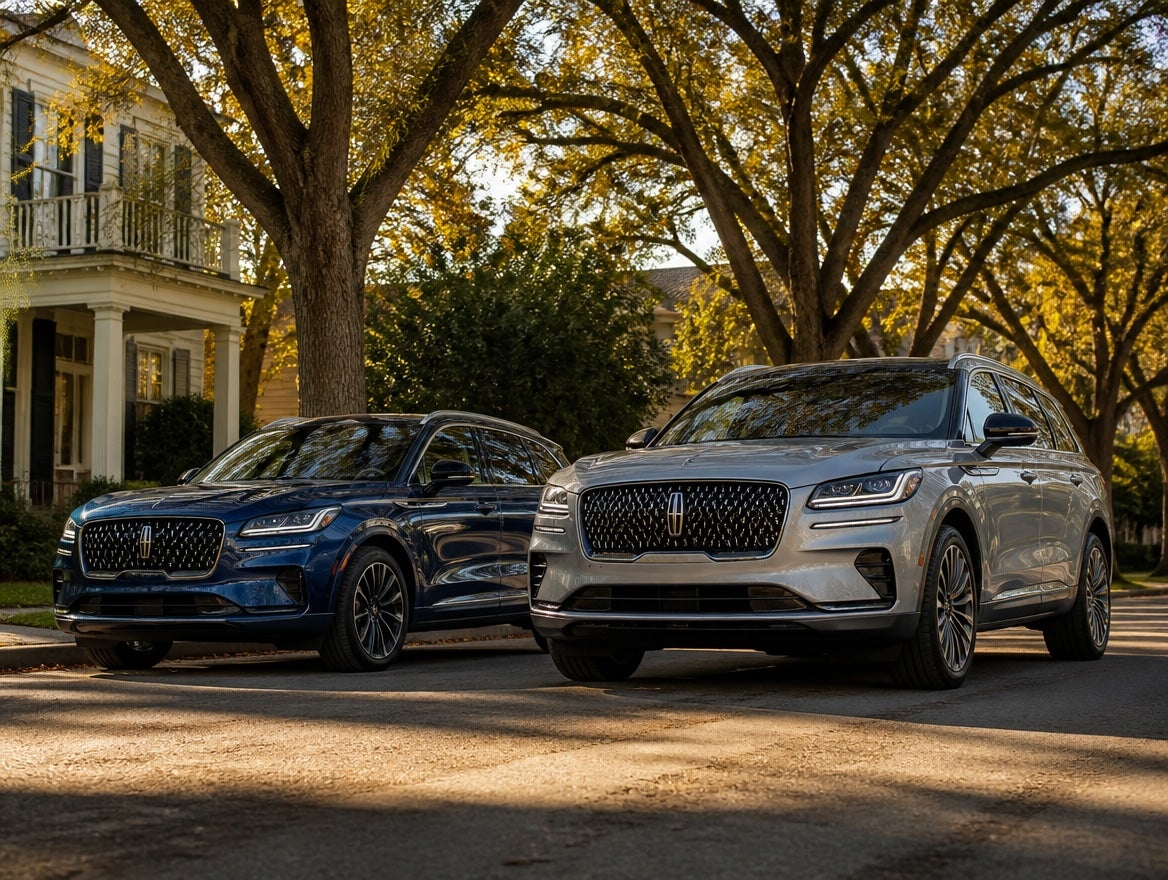
Contact Us

Fill out this form below and we'll contact you shortly
*Required Fields