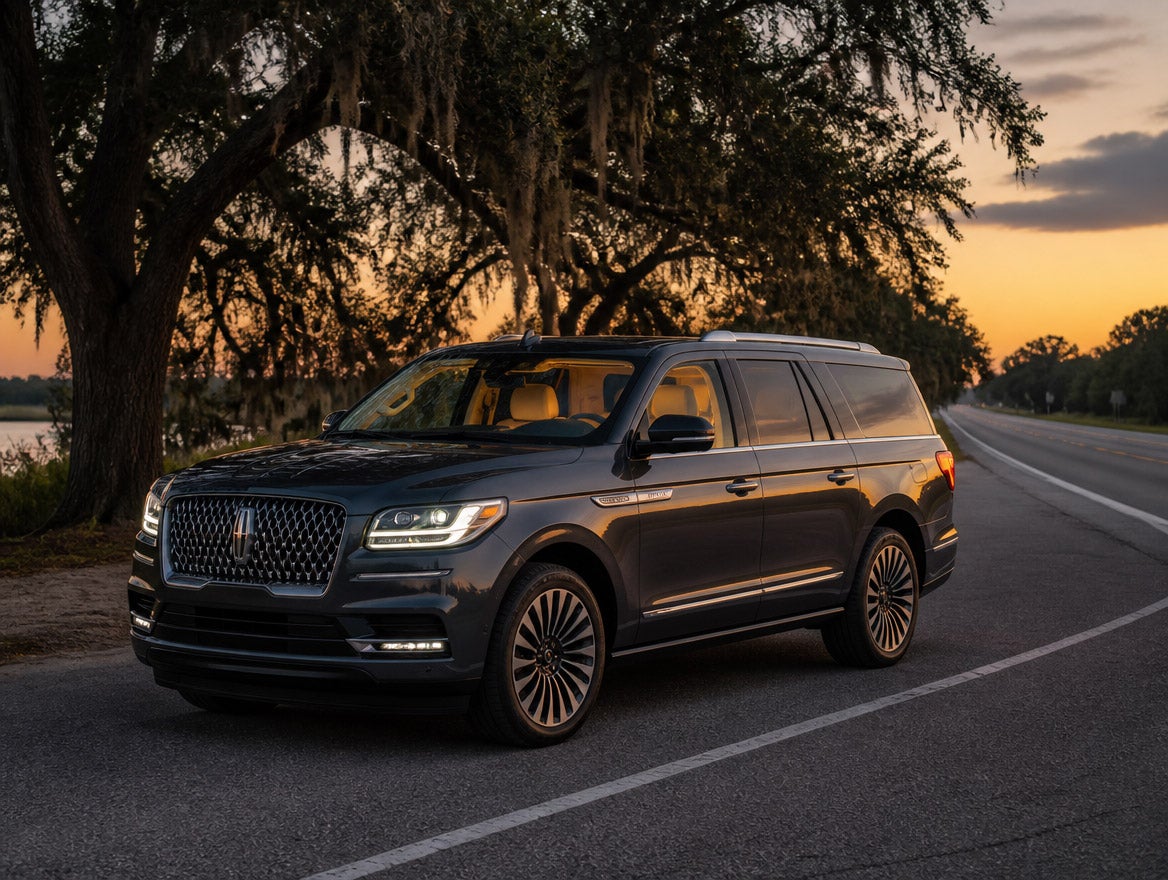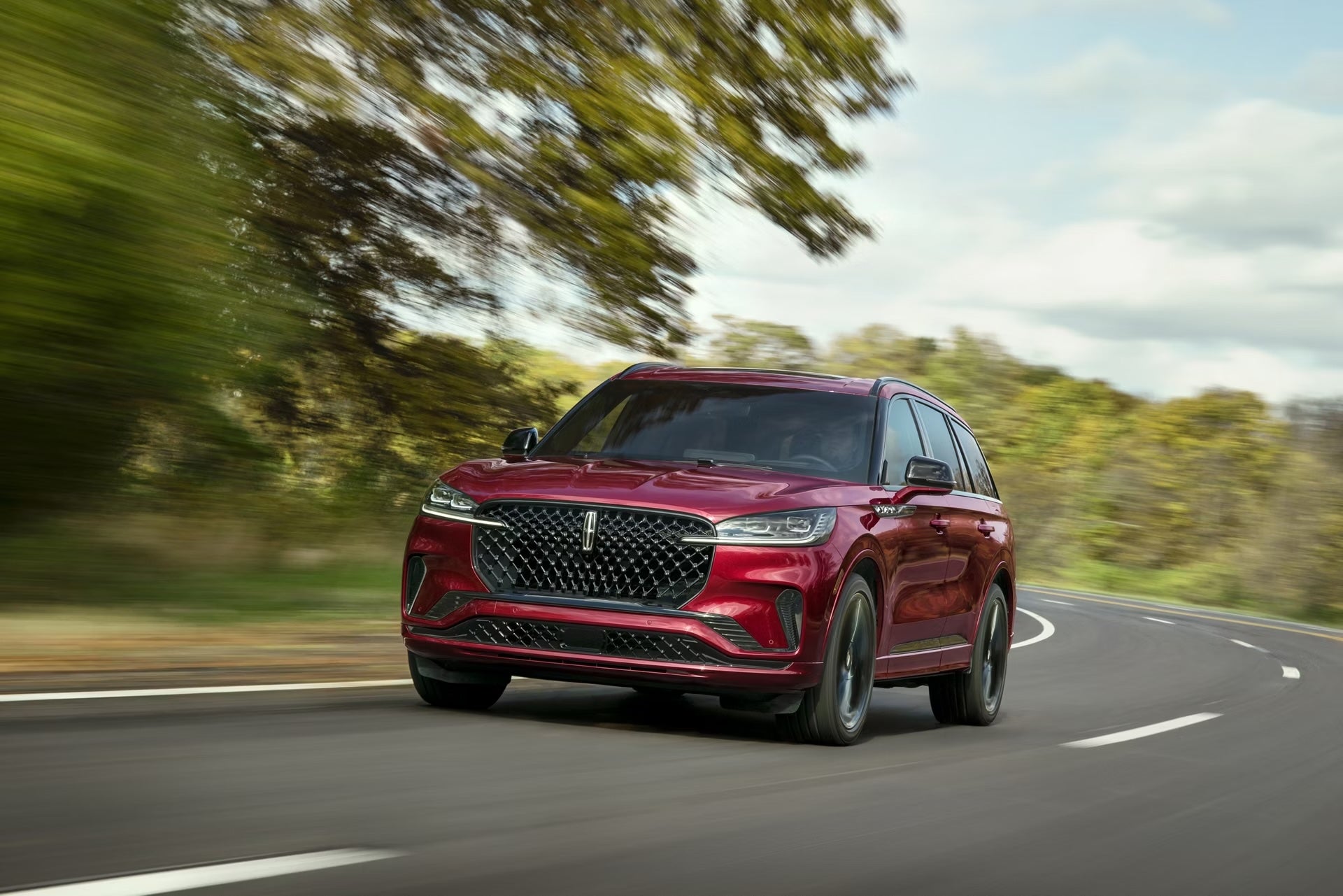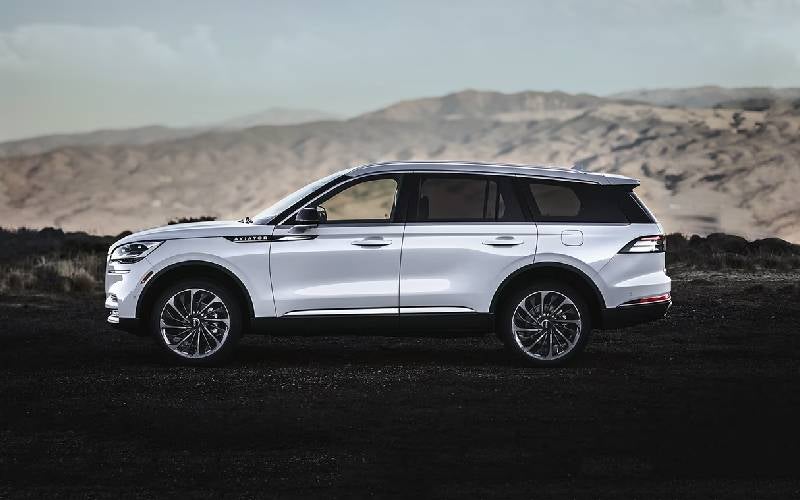


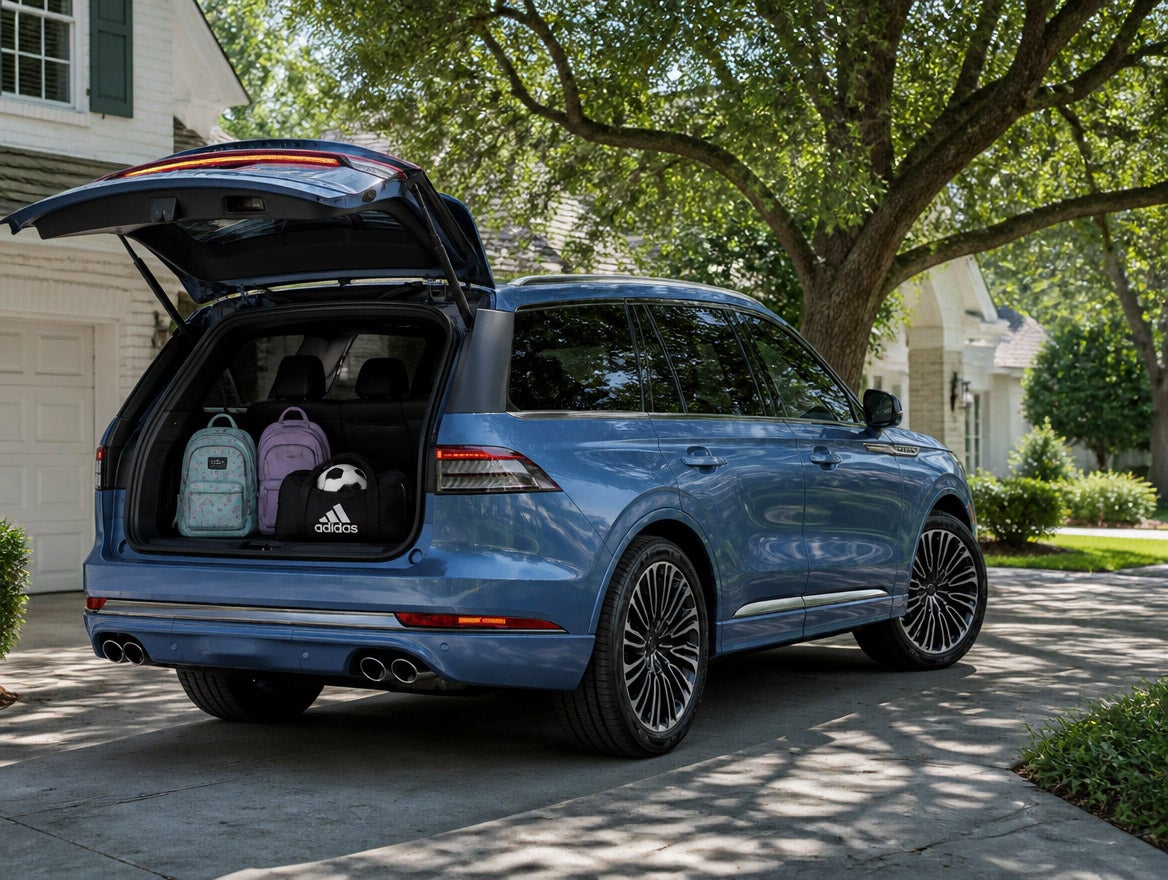
The short answer hangs on one question: how many kids are you loading at once? If the number ever climbs past five, the 2026 Lincoln Aviator is your only choice between these two. If you rarely go beyond four or five, the Nautilus is smaller, lighter on its feet, and far easier to thread through the scrum of a pickup line.
- The 2026 Aviator seats up to seven and tows up to 5,000 pounds when properly equipped. It's built for the household running three-plus kids or a steady rotation of other people's children.
- The 2026 Nautilus seats five across two rows, comes standard with all-wheel drive, and offers an EPA-estimated 29 city / 31 highway MPG in hybrid form. It's the pick for smaller households who want a cabin that feels serene rather than full.
- The trade-off nobody talks about: with all three Aviator rows occupied, cargo drops to just 16.5 cubic feet (Lincoln lists it). Consider that the plain constraint. You can carry six kids or a week of gear. Not always both.
- The Nautilus holds more behind its rear seats (up to 36.4 cubic feet in Premiere trim) than the Aviator does with row three up.
- Our best guidance: count the car seats and the duffel bags before you decide.
What's the Real Difference Between These Two?
Both SUVs share one Lincoln interior philosophy (composed, unhurried, materials that reward a second glance), and yet they answer different questions. The Aviator wants to know how many people you need to move. The Nautilus wants to know how refined you'd like the daily drive to feel. Same family, two very different jobs.
Below is the comparison where it counts for an August in Montgomery.
| Category | 2026 Lincoln Aviator | 2026 Lincoln Nautilus |
|---|---|---|
| Rows / Passengers | 3 rows / up to 7 | 2 rows / up to 5 |
| Cargo (all seats up) | 16.5 cu ft (behind row 3) | 36.4 cu ft (Premiere, behind row 2) |
| Cargo (max, seats folded) | 77.7 cu ft | 71.3 cu ft |
| Engine | 3.0L twin-turbo V6, 400 hp | 2.0L turbo I-4, 250 hp (gas) / 285 hp (hybrid) |
| EPA City MPG | 18 (RWD) / 17 (AWD) | 21 (gas) / 29 (hybrid) |
| EPA Highway MPG | 25 (RWD or AWD) | 29 (gas) / 31 (hybrid) |
| Towing (properly equipped) | Up to 5,000 lbs | Up to 1,750 lbs |
| Drivetrain options | RWD or AWD | AWD standard |
| BlueCruise 1.5 | Standard on all trims | Standard on all trims |
Does the Aviator's Third Row Actually Work for School Runs?
The Aviator's third row works well for children, works acceptably for shorter adults on a quick hop, and it comes with a catch the spec page won't spell out. When that row is in use, Lincoln lists 16.5 cubic feet of cargo behind it. Enough for a stack of backpacks. Not enough for a week of soccer gear.
That isn't a knock on the vehicle. It's a legitimate engineering trade-off, and worth understanding before you sign anything.
The 2026 Lincoln Nautilus makes the opposite bargain. Two rows, five seats, and 36.4 cubic feet of cargo behind the rear bench in Premiere trim (35.2 in Reserve and Black Label). That's more than double what the Aviator offers with row three up. On the Monday morning when you've got three teammates and their gear after a tournament weekend, you feel that difference right away.
For the household that truly needs a third row, the relevant Aviator trims also offer second-row captain's chairs, which drop the count to six but open a center console and give middle-row passengers a real sense of their own space. The bench brings capacity back to seven. Either way, Lincoln's PowerFold third row drops flat with a button, and that matters at 7:45 a.m. when you're managing the morning.
Browse our current Aviator and Nautilus inventory to see which trims and configurations are on our lot right now.
Fuel and the School-Run Math
An August in Montgomery means the air conditioning works hard from the second you start the vehicle, and that's no small thing on a route you drive twice a day. The powertrain math shifts once you factor in that heat load and the crawl of morning traffic. So it's worth taking each engine on its own terms before you decide.
The Aviator runs a 3.0-liter twin-turbocharged V6 that Lincoln rates at 400 horsepower and 415 pound-feet of torque. The EPA rates it at 18 city / 25 highway (RWD) and 17 city / 25 highway (AWD). Actual mileage varies by conditions and use. That's a genuinely capable engine for a three-row vehicle. The Aviator also runs on regular-grade fuel, which is worth noting given that the Nautilus gas model recommends premium.
The Nautilus gas engine is a 2.0-liter turbocharged inline-four producing 250 horsepower. The EPA rates it at 21 city / 29 highway. The Nautilus hybrid pairs that same 2.0-liter block with an electric motor for a combined 285 horsepower, and the EPA rates it at 29 city / 31 highway. Actual mileage varies.
Maneuverability on the Eastern Boulevard School Run
The Nautilus measures 193.2 inches long and the Aviator stretches to 199.7 inches, so on paper you're looking at about half a foot. In practice, you notice it most in a parking lot rather than on the highway. The Aviator sits on a longer wheelbase footprint (119.1 inches), which means a wider turning circle in tighter drop-off zones.
We're not calling the Aviator unwieldy. It isn't. But it is a longer vehicle, and anyone running a packed schedule at a campus with a narrow drive-through lane will feel the extra length.
The Nautilus, with AWD standard across every trim, gives east-side Montgomery drivers peace of mind through Alabama's two genuine severe-weather seasons (spring storms March through May, and the secondary window in late autumn) without carrying the length of a three-row body. It's a real local consideration, and it ties back to capability rather than marketing language.
So Which One Should You Choose?
The buyer profile really does split between these two, and we'll be direct about the line. Headcount decides it, and everything else follows from there. Read the two cases below against your own week.
Choose the Aviator if: You regularly carry six or seven passengers, you coach a team or frequently transport other families' kids, you tow a trailer, a small boat, or recreational gear (up to 5,000 pounds when properly equipped), or your household regularly needs third-row flexibility even if not every day. The Aviator is also the answer if your family is in a growth phase where seat count matters more than maximum cargo access. See 2026 Aviator inventory at Stivers Lincoln.
Choose the Nautilus if: Five seats covers your real-world routine, you value a more nimble daily footprint, you want the available hybrid powertrain for efficiency on a repeat school commute, or you simply prefer a cabin that feels more intimate and less like an event vehicle. The Nautilus gives you more usable cargo room than the Aviator does with row three occupied, and the 48-inch panoramic display makes the interior feel like a different category of vehicle.
One straight note on the Aviator: its cabin is refined and genuinely comfortable in rows one and two. Row three suits children best, or shorter adults on drives under an hour. If you expect adults to ride back there in comfort as a matter of routine, a full-size Lincoln Navigator is worth a conversation with our team.
Neither of these is the compromise pick. They're different answers to different questions, and the right one comes down to headcount, not to which name sounds better.
Frequently Asked Questions
How much cargo space does the 2026 Lincoln Aviator have with all three rows in use?
Lincoln lists the 2026 Aviator at 16.5 cubic feet of cargo space behind the third row when all seats are occupied. That accommodates several backpacks or a moderate grocery run. With the third row folded, cargo expands to approximately 39.9 cubic feet, and with both rear rows folded it reaches 77.7 cubic feet.
Is the 2026 Lincoln Nautilus available with all-wheel drive for wet-road conditions in Montgomery?
Yes. All-wheel drive is standard on every trim of the 2026 Lincoln Nautilus. There is no RWD Nautilus. The Aviator, by contrast, is offered in both rear-wheel drive and all-wheel drive configurations, so buyers need to confirm the drivetrain when specifying their order.