Blog

How to Use Lincoln ActiveGlide Hands-Free Driving on Supported Highways

2025 Lincoln Aviator Interior Features

Hands-free highway driving is one of the most useful technologies available on today's Lincoln lineup. ActiveGlide brings genuine convenience to long stretches of highway travel, letting you ease into the journey without stepping away from the responsibility of driving.

If you're considering a Lincoln equipped with this system, or you already own one and want to understand it better, our team at Stivers Lincoln of Montgomery wants to walk you through how it works, what it can do, and how to use it safely.

What Is Lincoln ActiveGlide Hands-Free Driving

ActiveGlide was Lincoln's branded name for a hands-free driver-assistance system built on BlueCruise, the underlying technology Lincoln shares with Ford. Lincoln has moved toward using the BlueCruise name directly on 2024 and newer models, so you may see either term depending on model year. Both refer to the same SAE Level 2 system, which manages steering and speed simultaneously while still requiring the driver's full attention and readiness to take over. Since BlueCruise is the current name across Lincoln's lineup, that's the term we'll use throughout the rest of this article.

The system works on prequalified, mapped divided highways known as Hands-Free Blue Zones, covering roughly 130,000 miles of North American roadways across the U.S. and Canada. Lincoln and Ford build and support it as the manufacturer; our job at Stivers Lincoln is helping Montgomery, AL drivers get the most out of it through sales, service, and hands-on guidance.

How Activation Works on Supported Highways

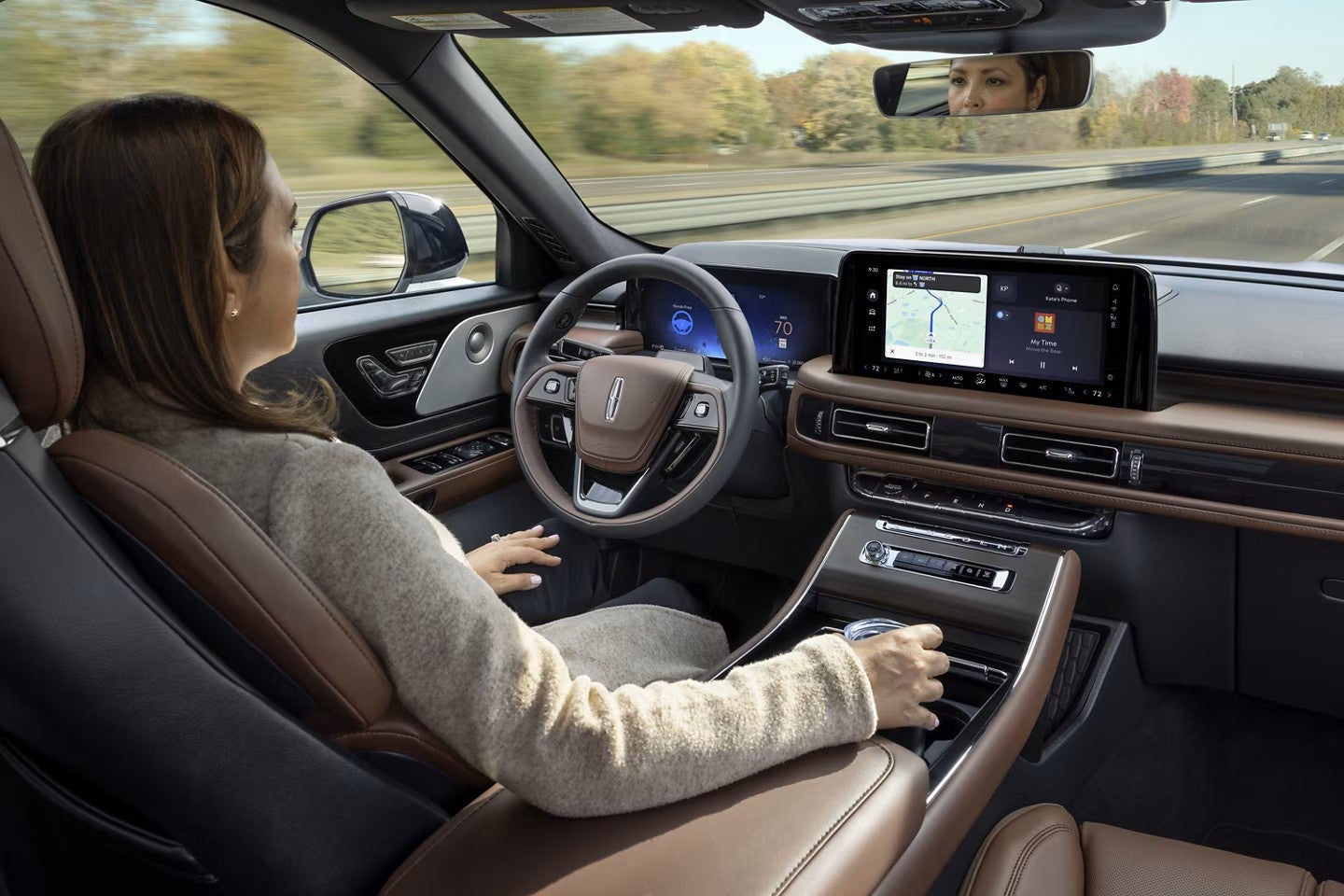
Before you drive, it helps to know the sequence rather than trying to work it out on the road. It goes like this: confirm that your supporting features, blind-spot monitoring, lane-keeping, and lane centering, are switched on, then engage adaptive cruise control and set your desired speed. Once you enter a mapped Hands-Free Blue Zone, the system automatically shifts from adaptive cruise into hands-free mode. Watch for the blue steering-wheel graphic with "Hands-Free" text in the digital cluster, that's your confirmation the transition has happened.

If you're unsure whether a specific Montgomery-area route is covered, Lincoln's official BlueCruise map tool lets you check compatible roads before you leave. The system will exit hands-free mode on its own if conditions become unsuitable, such as heavy rain, construction zones, or dense traffic, and will prompt you to retake manual control well before that happens.

Driver Attention Requirements and Monitoring

BlueCruise keeps your hands off the wheel, but it needs your eyes on the road at all times. An infrared driver-facing camera tracks your eye gaze and head position to confirm you're watching the road, not whether your hands are on the wheel. If your attention drifts, the system escalates its alerts: first a visual prompt, then audible chimes. If you still don't respond, it starts slowing the vehicle and can eventually bring it to a full stop.

A few real-world factors commonly interrupt the system: sunglasses that block the camera's read on your eyes, a dirty or obstructed camera lens, poor weather, or construction zones. Approaching exits is another moment to stay ready, since hands-free operation is built for sustained highway travel, not for navigating interchanges. BlueCruise also supports Lane Change Assist, letting drivers change lanes hands-free, and newer models like the Aviator add Automatic Lane Change, which switches lanes without touching the turn signal.

Comfort and Safety Benefits of Driving Hands-Free

Long highway drives wear on you gradually. Holding steady steering input, tracking following distance, managing speed through light traffic, it all adds up over a few hours. BlueCruise takes on these routine physical tasks, giving your body a break without removing you from the driving task itself.

By maintaining safe following distances and adjusting speed with traffic flow, the system contributes to a steadier, less reactive drive. You arrive noticeably less fatigued, provided you stay engaged the way the system expects. BlueCruise works best when you treat it as a tool for reducing physical strain, not as a reason to disengage from the road.

Lincoln Models Equipped with BlueCruise

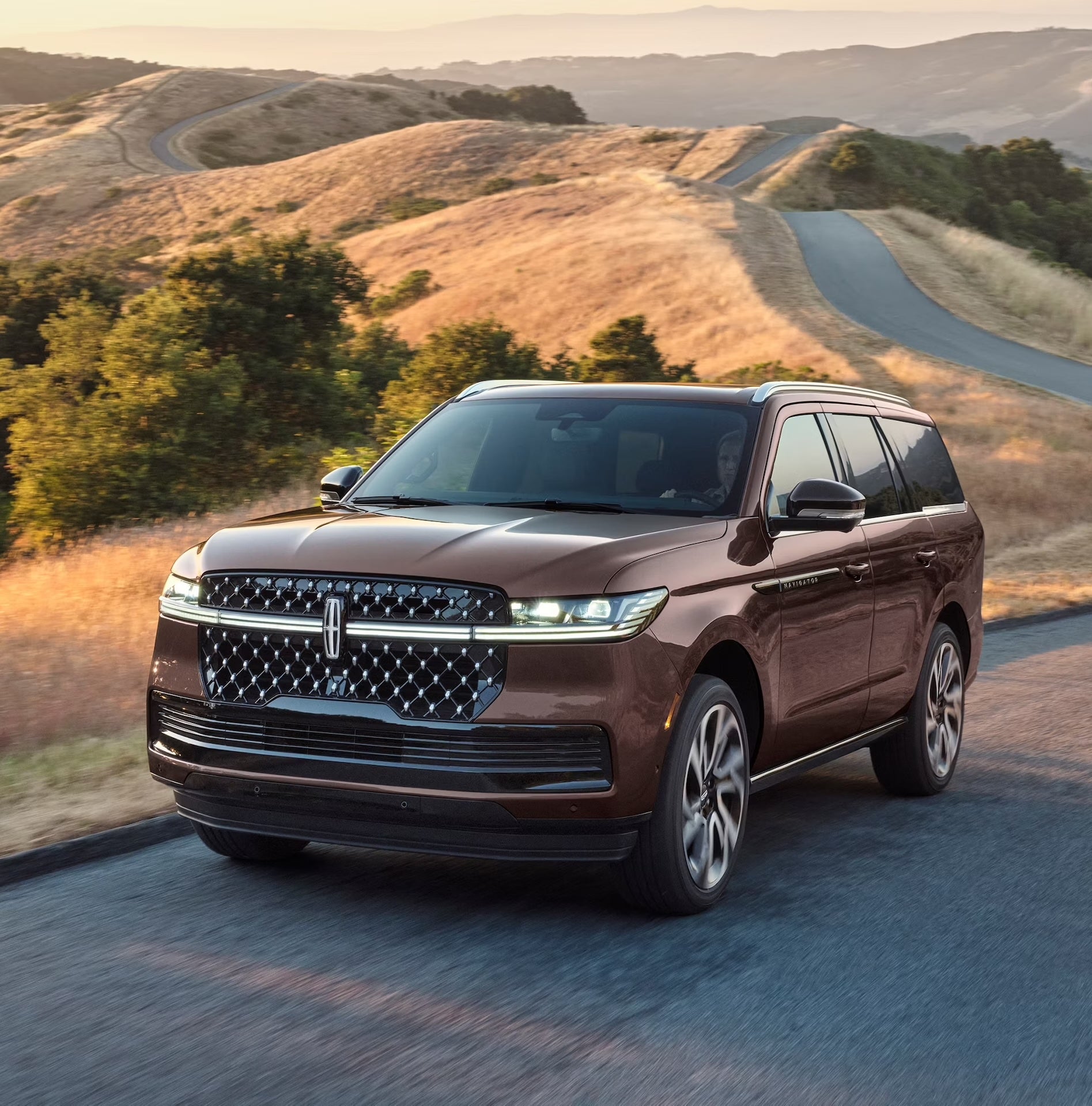
BlueCruise is available on the Navigator, Aviator, Nautilus, and Corsair, with availability varying by trim and model year.

Lincoln Navigator

The Navigator debuted ActiveGlide in 2022, and today roughly 90% of Navigators on the road are equipped with it. As Lincoln's full-size flagship SUV, available across trims including Premiere, Reserve, and Black Label, it pairs long-distance comfort with hands-free capability that suits extended highway travel especially well. Its commanding size and quiet cabin make those hours behind the wheel far less tiring, which is exactly where hands-free assistance earns its keep. For buyers who cover serious mileage, the Navigator remains the most fully realized expression of the technology in the lineup.

Lincoln Aviator

The Aviator brings ActiveGlide to Lincoln's mid-size SUV, balancing strong road presence with the practicality families need for long highway commutes. It is also the model where Lincoln has pushed the technology furthest, adding Automatic Lane Change that repositions the vehicle to pass slower traffic without any input on the turn signal. That combination of three-row space and advanced hands-free driving makes it a natural fit for households that log frequent highway miles.

Lincoln Nautilus

The Nautilus offers hands-free highway capability in a smaller, more streamlined package, appealing to drivers who want the technology without the footprint of a larger SUV. For 2026, BlueCruise comes standard across every Nautilus trim, from the Premiere up through the Black Label, so hands-free driving is not something you have to option up to. The 2026 model also steps up to the latest BlueCruise 1.5, which adds hands-free lane changes for smoother passing on longer trips.

Lincoln Corsair

The Corsair is the most accessible entry point to ActiveGlide in the Lincoln lineup, well-matched to drivers who split time between city streets and highway commutes. Because the hands-free hardware is tied to specific packages rather than every configuration, it is worth confirming the build includes it before you buy. For drivers who want a genuine luxury cabin and highway hands-free capability in a compact size, though, the Corsair delivers both at the lineup's lowest point of entry.

Trial Period, Subscription, and Trim Availability

BlueCruise availability depends on the trim and model year you choose, so it's worth confirming which configuration includes it on any Lincoln you're considering. Lincoln offers a complimentary trial period before subscription is required, and for the 2026 model year, the Corsair, Aviator, and Navigator all come with four years of BlueCruise included as standard.

Subscription supports continued access to system updates, so the technology keeps improving after purchase rather than staying static. We won't quote pricing here since that's best confirmed directly with Lincoln or our team, but the trial gives you a low-pressure way to experience the system firsthand.

See BlueCruise in Action at Stivers Lincoln of Montgomery

Reading about hands-free driving only goes so far. Experiencing it behind the wheel is where its value becomes clear.

Schedule Your Demo

We invite you to schedule a Lincoln tech demo with Stivers Lincoln of Montgomery and see BlueCruise for yourself across any of our equipped models. Our team has served Montgomery, AL drivers since 2002, and we're glad to walk you through how the system works before you ever leave the lot. You can also schedule a test drive or reach out directly through our website at your convenience.

Our sales team is available Monday through Saturday, 9 a.m. to 7 p.m., at 334-777-6998. For current owners with questions about service, our service center is open Monday through Friday, 7 a.m. to 6 p.m., and Saturday from 8 a.m. to 2 p.m., at 334-781-4301. Whatever stage of ownership you're at, Stivers Lincoln of Montgomery is ready to help.

Images by OEM
Recommended Posts

Refreshing River Theme in Lincoln Rejuvenate

Lincoln adds a Sixth Theme to Relax with on its Lincoln Rejuvenate System

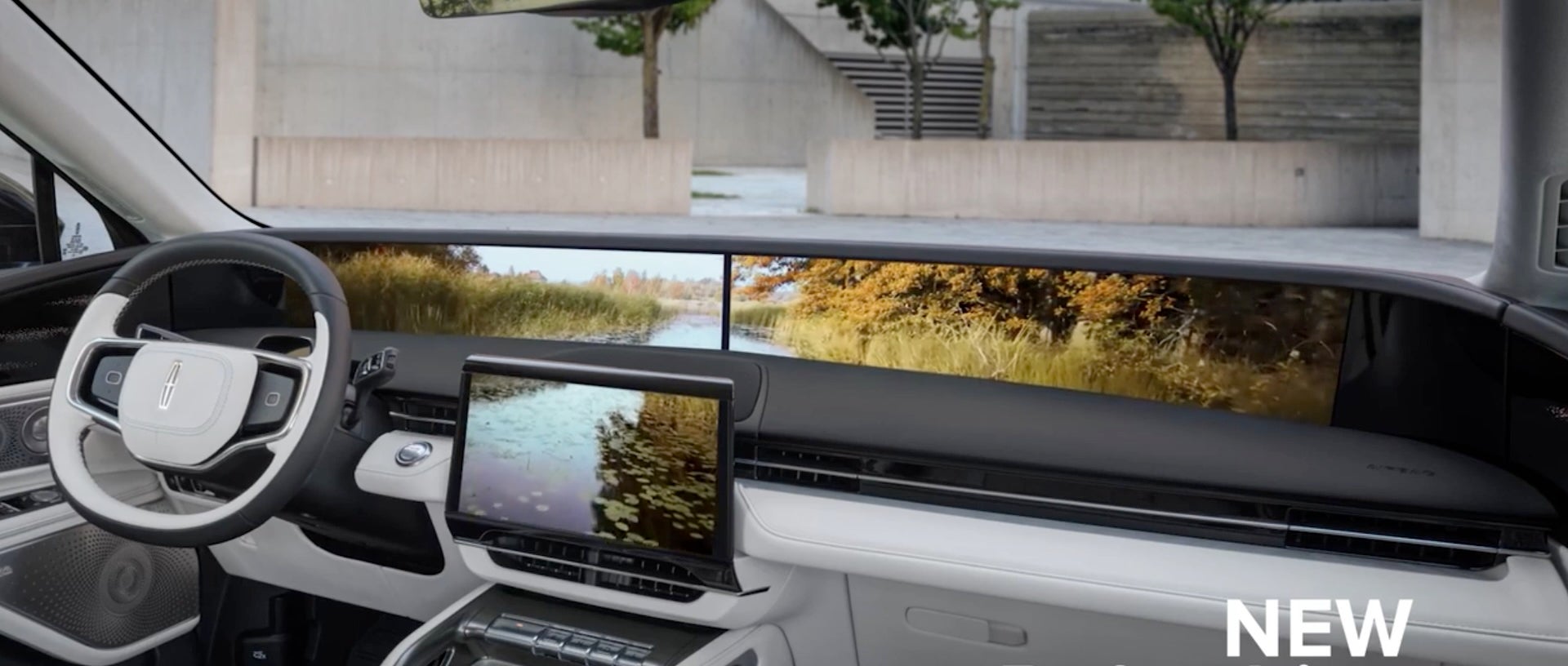
You've worked hard to afford a luxury vehicle like a Lincoln Navigator or Nautilus – shouldn't you have the opportunity to unwind when time allows? Lincoln has developed Lincoln Rejuvenate, a feature in these vehicles that can transform its already tranquil and comforting interiors into a calming sanctuary when parked. Stivers Lincoln tells you all about it. Lincoln Rejuvenate is a multisensory relaxation system that leverages the audio system, all view screens, climate control, seat massagers, and even the Lincoln Digital Scent systems. It first launched in 2025 with three nature-based relaxation themes. Two more themes, including the latest Refreshing River theme, have been added, bringing that total to six. Because it uses the entire panoramic display system and involves programmed seatback recline, Lincoln Rejuvenate is designed to be used strictly while the vehicle is stationary. The system was defined based on findings from a Purdue University study commissioned by Lincoln, which showed that multisensory in-vehicle experiences can yield measurable short-term relaxation benefits. As an example, here is how Lincoln describes its new Refreshing River theme: “Inspired by the beauty of a fall day, Refreshing River begins on a quiet riverbank, where the sound of water and a gentle breeze create a calming escape. The journey continues along the river, revealing distant trees in rich autumn color — evoking the crisp, restorative feeling of an afternoon at the cider mill.” The Cloud Balsam Digital Scent is recommended to complete the experience. This is how Lincoln describes the five other Rejuvenate themes: Waterfall Meditation: An immersive experience evoking the serenity of cascading water. Elements: A multisensory journey through the fundamental elements of nature. Aurora Borealis: An ethereal visual and auditory experience inspired by the natural phenomenon. Forest Meditation: A calming exploration of a serene natural forest environment. Tropical Paradise: A sensory escape that flows from a vibrant coral reef to a calm, serene beachfront. Fortunately, the need for calm and relaxation is not exactly foreign to the Lincoln executives who championed the system. Says Sonia Reif, Lincoln Global Vehicle Director, “That’s what makes Lincoln Rejuvenate such a differentiating feature; it reflects our commitment to wellness. Supported by scientific research, it’s helping redefine how our clients use their vehicles, not just to get from point A to B, but as a meaningful third space to relax and recharge.” Obviously, describing this system can only go so far, and it needs to be experienced to be fully understood. Strivers Lincoln invites you to its Montgomery showroom to slow down and experience Lincoln Rejuvenate for yourself.

Front Side View of the 2027 Lincoln Black Label Model

Lincoln Black Label is More Than a Trim Level

66 years ago, Lincoln redefined what an American luxury car was. After a decade of tailfins, jet-age details, excessive chrome and incoherently complex styling across the industry, the 1961 Lincoln Continental was refreshingly understated and elegant. Upon debut, its competition immediately looked hopelessly baroque, and their manufacturers quickly regrouped to follow Lincoln’s lead as quickly as they could. Today’s Lincoln SUV models have been quietly doing the same with an elegantly understated design, a sophisticated application of technology, and, above all, a return to distinctly American luxury, with a focus on quiet, comfort, effortless operation, and long-term ownership satisfaction. These qualities are hallmarks of any modern Lincoln, but are elevated further on Black Label models, which offer a whole new level of Lincoln ownership. Stivers Lincoln explains. At first, Black Label may appear to be simply the top trim level of the Navigator, Aviator, and Nautilus (there is not yet a Black Label for the Corsair Hybrid). Indeed, Black Label trims include features not found on the Premier and Reserve trims, such as: Perfect position front seats (30-way power adjustment on Navigator and Aviator, 24-power adjustment on Nautilus) Active Motion Massage front seats with power thigh extenders Heated and ventilated second-row captain’s chairs Heated third-row seats with premium leather surfaces Higher-level leather, Alcantara suede and authentic wood trim But Black Label interiors go a step further with bespoke, designer-curated design themes. For example, the Atmospheric interior theme on the Navigator Black Label includes Opulance Leather on the first- and second-row seats with Diamond Drizzle perforation that mimics the random drops on pavement at the start of a light rain. Atmospheric Ash wood trim, a Salt Crystal Gray Dinamica sueded headliner, and Dinamica sueded floor mats complete the look. The Enlighten and Invitation interior themes each feature uniquely designed surface and material combinations, and the Aviator and Nautilus have their own distinct interior themes. The Black Label experience goes beyond vehicle features and extends into vehicle ownership. It starts with a dedicated Lincoln Black Label Experience Liaison who serves as your single point of contact from first inquiry through vehicle delivery, which can be at your home, place of business, or wherever you are. There is also Premium Maintenance, including home pickup and delivery with a loaner Lincoln, and complimentary anytime car washes from Stivers or other Lincoln dealerships. A Black Label purchase also immediately earns you 70,000 Lincoln access points (compared with 50,000 for Reserve and 40,000 for Premiere trims), plus additional points for Maintenance visits. You can redeem these points for products and experiences themed around culinary, health and wellness, travel, and more. Black Label owners also receive an annual curated gift from Lincoln. Again, this is not reserved only for owners of the flagship Navigator Black Label, but also for owners of the Aviator and Nautilus Black Label models. In short, it is more than just getting a fancier Lincoln; it is an elevated ownership experience, a concept nearly as game-changing as that 1961 Continental. If you are considering bringing a new luxury SUV home, you owe it to yourself to sample Lincoln's award-winning luxury SUVs, which embody an understated, elegant approach to American luxury, and to learn more about the Black Label program and models. Stivers Lincoln in Montgomery, AL, is the place for your Lincoln experience.

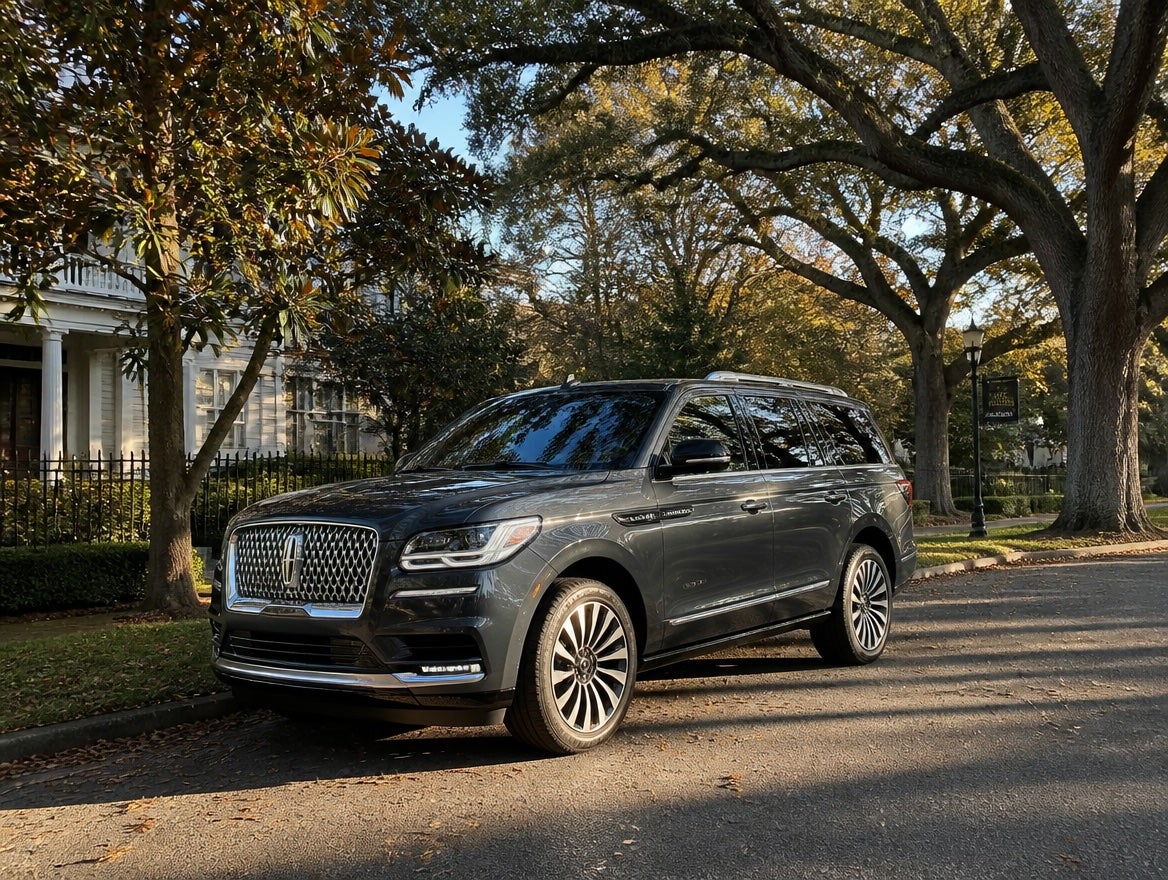
2026 Lincoln Navigator parked on a shaded east Montgomery street in autumn afternoon light

Should You Trade In Your Vehicle Before the End of the Year?

In this article Is "End of Year" Actually the Best Time to Trade In Your Vehicle? What the Alabama Tax Credit Actually Means for a Lincoln Transaction The One Scenario Where December 31 Is a Hard Deadline So What Should You Actually Do Before December 31? November arrives in Montgomery with the first genuinely cooler air, and a question rides in alongside it, steady as ever. People want to know whether right now is the best time to trade in a vehicle. The assumption underneath runs like this: end-of-year equals peak trade-in value, dealers are desperate for inventory, and waiting a few weeks will cost you. We get why it lands that way. The belief is mostly wrong, though, and the slice of it that holds up behaves differently than you'd think. So here's the version worth keeping. The best time to buy a new Lincoln is often Q4. The best time to maximize your trade-in value is typically Q1 or Q2. Both land at once in late December, and knowing which side of the equation you're working matters more than the date. The short version The myth: trading in before December 31 maximizes your vehicle's value. The reality: Q4 is generally the softer season for trade-in offers, not the stronger one. The genuine year-end advantage is on the buying side. Dealers want to close the year strong, which creates real motivation to work with you on your new vehicle. Alabama gives you a full trade-in sales tax credit when the trade and purchase happen in the same dealer transaction, per revenue.alabama.gov. That benefit exists in January just as much as December. If you use your vehicle for business, 2026 bonus depreciation is at 100% (now permanent), which makes December 31 a hard deadline worth taking seriously. The right answer is: know your equity position, know Alabama's tax rule, and time the transaction around your personal situation rather than a calendar myth. We work with clients on Eastern Boulevard who've owned Lincoln vehicles for fifteen or twenty years. The ones who get the most from every transaction understand a few mechanics that the year-end advertising noise tends to obscure. A 2026 Lincoln Navigator sitting on our lot right now carries value on both sides of this question. Let's get into the substance. Is "End of Year" Actually the Best Time to Trade In Your Vehicle? For trade-in value specifically the answer is no, though for your overall transaction it depends entirely on what you're optimizing, since the buying side of a year-end deal can work in your favor at the exact moment the trade-in side works against you. One date, two goals pulling opposite ways. The pattern is well-documented and intuitive once you see it. Trade-in values tend to be higher in the first two quarters of the year, with larger drops in the final two. There are more buyers in the market early in the year, and dealerships need more cars to feed demand. A used vehicle also feels meaningfully newer when it's eight or ten months away from turning a model year older rather than just two or four months away. By November, your 2022 or 2023 vehicle is visually closer to being a "three-year-old" or "four-year-old" car in the eyes of a wholesale buyer. The Claim What's Actually True Source "Dealers are desperate for trade-ins at year-end, so values spike." Wholesale used-vehicle demand peaks in Q1-Q2 when retail buyers return to market. Q4 values are typically softer. Documented industry depreciation seasonality "My car loses value every month I wait, so trading now stops the bleeding." Depreciation averages about 30.5% in the first year, then slows to roughly 7.7% in year two and 6.8% in year three. The rate slows as the vehicle ages, so the "bleeding" is not uniform. Edmunds depreciation data "Alabama doesn't give me a tax break on a trade-in, so it doesn't matter when I do it." Alabama gives a full trade-in credit: tax is figured on the net difference when an automotive vehicle is taken in trade toward a new or used automotive vehicle, per revenue.alabama.gov. Alabama Department of Revenue "I can sell my car privately and still get the Alabama tax credit on my new purchase." Alabama's credit applies to retail dealer transactions only. The trade must be part of one dealer deal. Sell your old vehicle separately, even the same afternoon, and the credit is gone. revenue.alabama.gov "Year-end is good for buyers OR for traders, not both." Year-end is genuinely good for buyers (dealer motivation). The trade-in value question is separate and depends on your equity, model, and mileage position. Industry seasonality + Alabama DOR Five distinct claims sit in that table. Only one is cleanly true without qualification, the Alabama tax credit, and that one is worth understanding before you make any move. What the Alabama Tax Credit Actually Means for a Lincoln Transaction The Alabama trade-in credit means your sales tax gets figured on the net difference rather than on the full price of the new vehicle, which is the single piece of this year-end conversation that deserves more attention than the advertising usually gives it. In Alabama a trade-in is deducted before tax is calculated. The state sales tax on automotive vehicles is 2% of the gross proceeds of the sale, but that percentage applies to the net difference, not to the full purchase price of your new vehicle, when you trade at a licensed dealer in the same transaction. Montgomery carries local tax on top of the state rate, which pushes your combined rate higher than 2% alone. The trade-in credit can generate substantial tax savings at the combined state and local rate. In Montgomery's tax geography your savings move in the same direction and are real money on a Lincoln transaction, where trade values can run considerably higher than baseline estimates. Alabama's trade-in sales tax credit has no calendar expiration. It applies on January 3rd the same way it applies on December 29th, as long as the trade and purchase happen in the same dealer transaction. All of which separates the Alabama tax advantage from the year-end urgency framing. The credit isn't going anywhere. What shifts in Q1 is the wholesale demand sitting behind your trade-in. Put those two forces together, a stronger trade offer in Q1 alongside a tax credit that works year-round, and they're worth weighing against the one genuine Q4 advantage, dealer motivation. Where our team lands is simple. Clients who time this well stay clear-eyed about one thing, that they're not optimizing the trade-in in isolation. They're optimizing the whole transaction. Start with an honest appraisal of your trade's current value before you let the calendar decide for you. Get Your Trade-In Value The One Scenario Where December 31 Is a Hard Deadline A genuine year-end deadline does exist, and unlike the broader trade-in timing question, it applies to one specific group, business owners who can put bonus depreciation to work on a qualifying vehicle placed in service before the year closes. The deadline is firm for them, and loose for nearly everyone else. Bonus depreciation is at 100% for 2026, and to use it, you must finalize any vehicle purchases before the end of the calendar year and use that vehicle during the tax year in question. If you're a physician with a practice, an attorney with a firm, or a business owner who uses a vehicle for more than 50% business purposes, placing a qualifying vehicle in service by December 31, 2026 is a real tax-year event. The standard mileage rate for 2026 is 72.5 cents per business mile under the actual-expense method alternative, but business owners tracking actual expenses may qualify for the full depreciation benefit that makes December 31 a meaningful line. Per the IRS and updated for 2026: 100% first-year bonus depreciation is now permanent for eligible assets, including certain qualifying business vehicles. The vehicle must be placed in service during the tax year to count toward that year's deduction. IRS Section 168(k) / confirmed by multiple 2026 CPA guidance sources One note before you run with this. The tax mechanics are real and potentially significant, and they also depend on your business structure, your vehicle's business-use percentage, and your overall tax picture for the year. Take the details to your CPA, not to a dealership. What we can tell you plainly is that if your advisor has flagged a vehicle purchase before year-end, we're ready to work with you on timing. Buying the vehicle this year isn't enough on its own. You need to place it in service by year-end. So What Should You Actually Do Before December 31? Treat the calendar as one input rather than the entire decision, and work the question in order: your equity position, what your trade is genuinely worth today, the Alabama tax rule, and whether a year-end tax strategy even applies to you. Only one of those is tied to December 31, and it's the business-depreciation piece. The practical framework our team uses with clients who bring this in runs five steps. 1. Know your equity position first. If the trade-in value is worth more than the remaining balance on your loan, that equity is credited to the sale price of your next vehicle. If you owe more than your car is worth (negative equity), you'll need to cover that gap. If you're significantly upside-down, consider waiting until you have equity before trading in. 2. Understand what your trade is actually worth right now. Q4 values are softer than Q1 and Q2, but "softer" is a relative term. A 2022 or 2023 Lincoln Aviator in excellent condition with documented service history is a desirable used vehicle in any month. Condition, mileage relative to 12,000 miles per year as the baseline, and service documentation all move the number. 3. Apply the Alabama tax credit correctly. The trade and purchase must be in the same transaction at a licensed dealer. This benefit only applies when the trade-in and purchase happen at the same dealership in the same transaction. Sell privately and then buy separately, and you forfeit the tax credit on the entire purchase. 4. If you're a business owner with a year-end tax strategy, act now. The December 31 deadline for 100% bonus depreciation is firm. A Lincoln Navigator L or Aviator used more than 50% for business is a qualifying asset. Talk to your CPA, then come talk to us. 5. If none of the above apply, don't let the ads rush you. The best transaction is the one that fits your financial picture and your next chapter. The end-of-year sales period is the best time for buying a new car, but trade-in numbers favor a different time of year. If you're in a position to take advantage of dealer year-end motivation on the buy side while your trade still carries strong equity, that combination can work. If not, January and February will treat your trade-in well. We're here either way. Most states give a full trade-in credit, with sales tax charged on the price after your trade-in comes off and no dollar limit, and in Alabama that holds in any month you walk through our door. Frequently Asked Questions Does trading in my car before December 31 give me a better trade-in offer? Not typically. Trade-in values in the automotive market tend to run higher in the first half of the year, when retail demand for used vehicles is strongest and your vehicle is farther from its next model-year rollover. Year-end is generally a stronger time to buy a new vehicle, because dealers are motivated to close the year well. The trade-in value and the purchase terms are two separate negotiating points, and conflating them is what leads to timing decisions built on the wrong logic. Does Alabama reduce my sales tax when I trade in a vehicle? Yes. Per the Alabama Department of Revenue, when a used automotive vehicle is taken in trade as credit or partial payment on the purchase of a new or used automotive vehicle, the sales tax is calculated on the net difference between the two vehicles' values. Alabama's state automotive sales tax rate is 2%, with local add-ons that vary by county and city. This credit applies only when the trade and purchase happen in the same dealer transaction. Selling your vehicle privately and then buying separately forfeits the credit entirely. Explore Your Financing Options Stivers Lincoln of Montgomery 4000 Eastern Blvd, Montgomery, AL 36116 (334) 647-6905