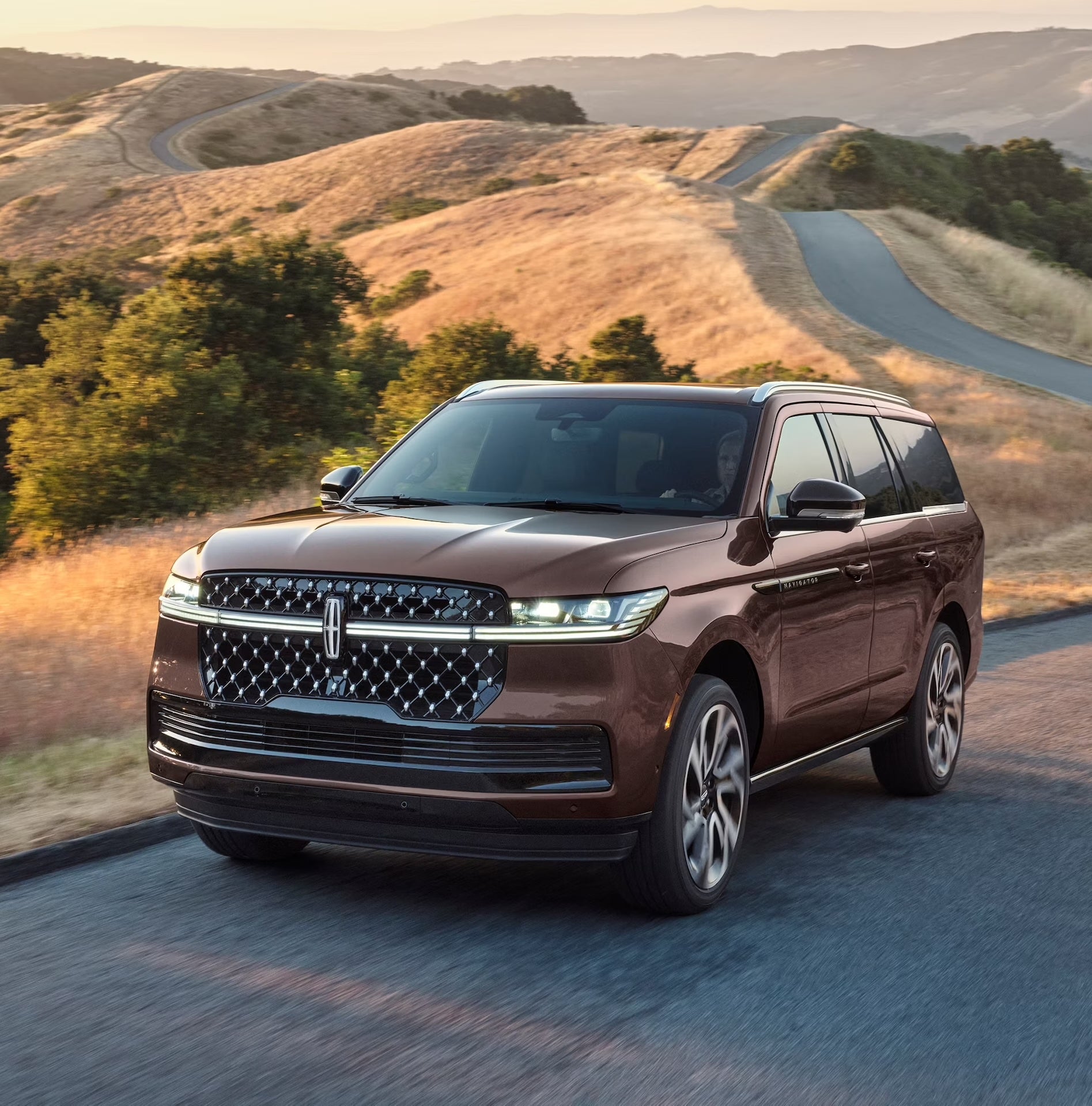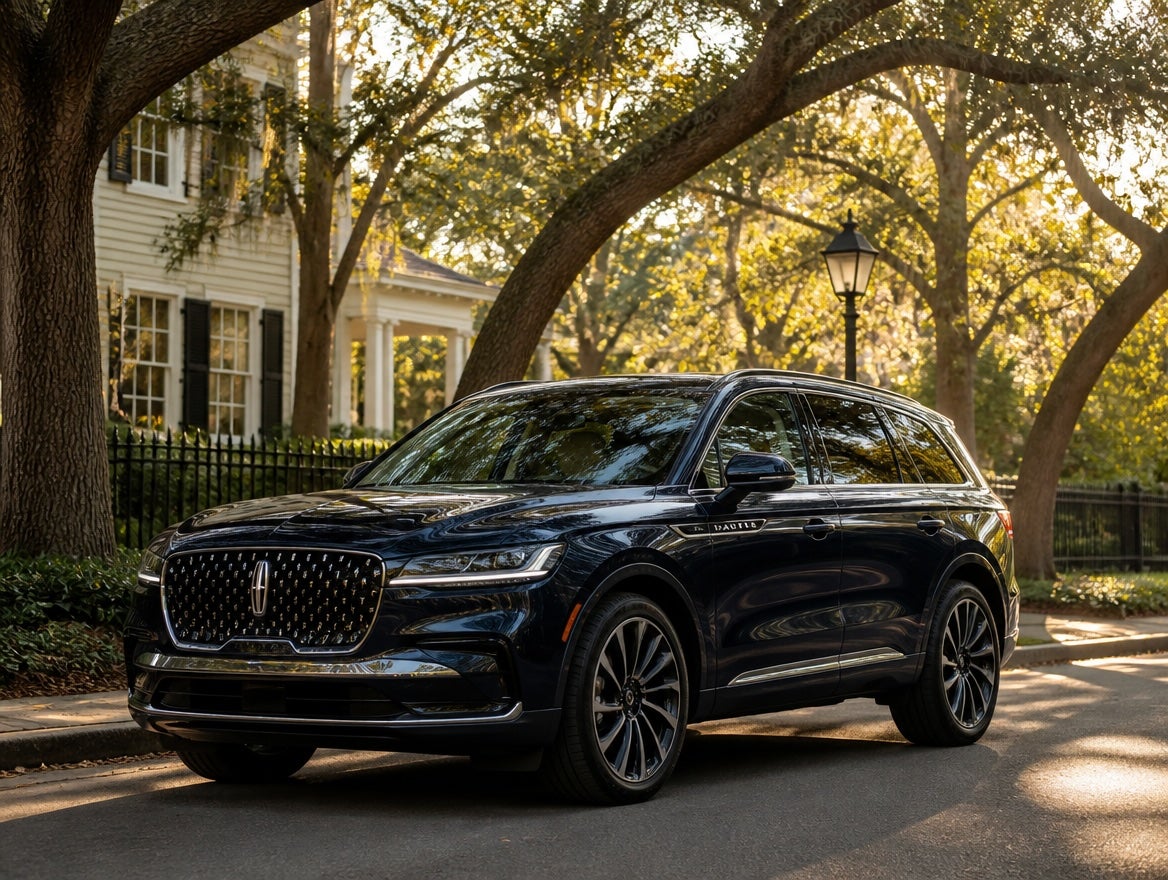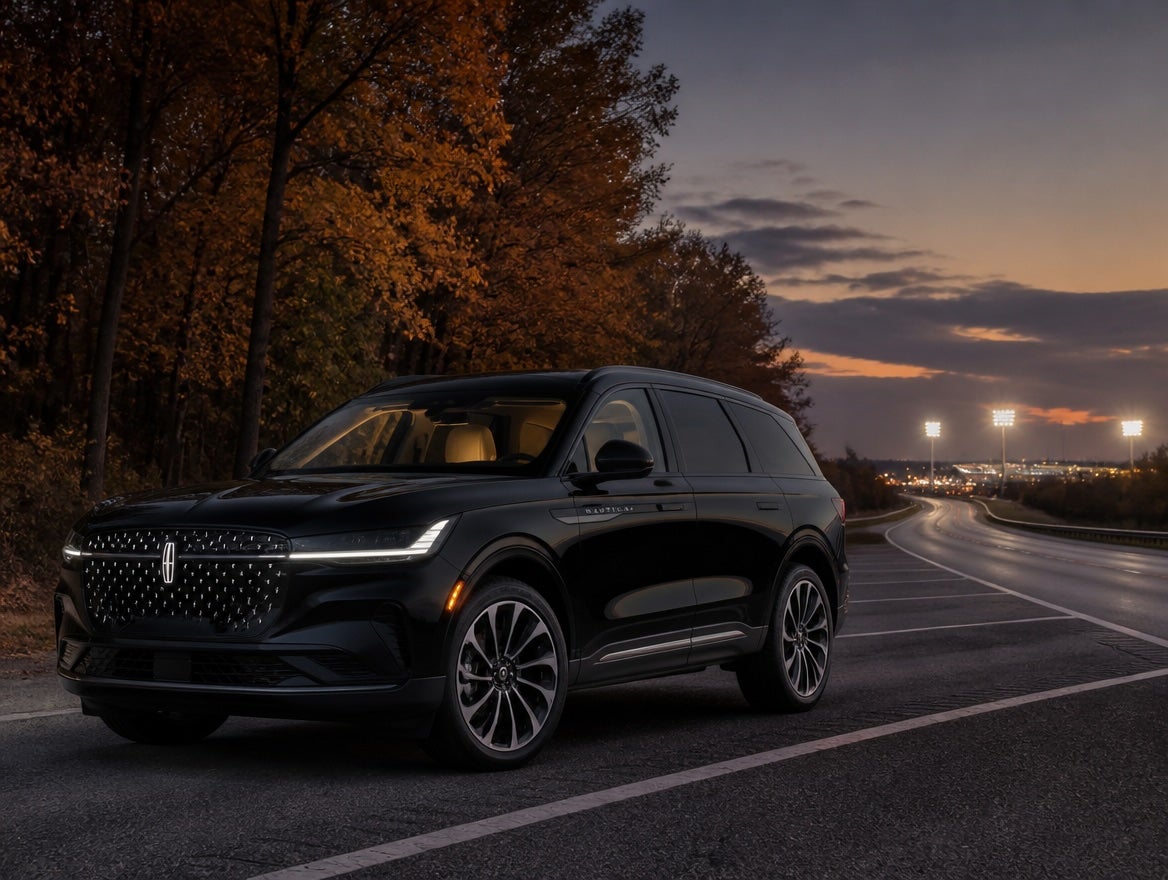


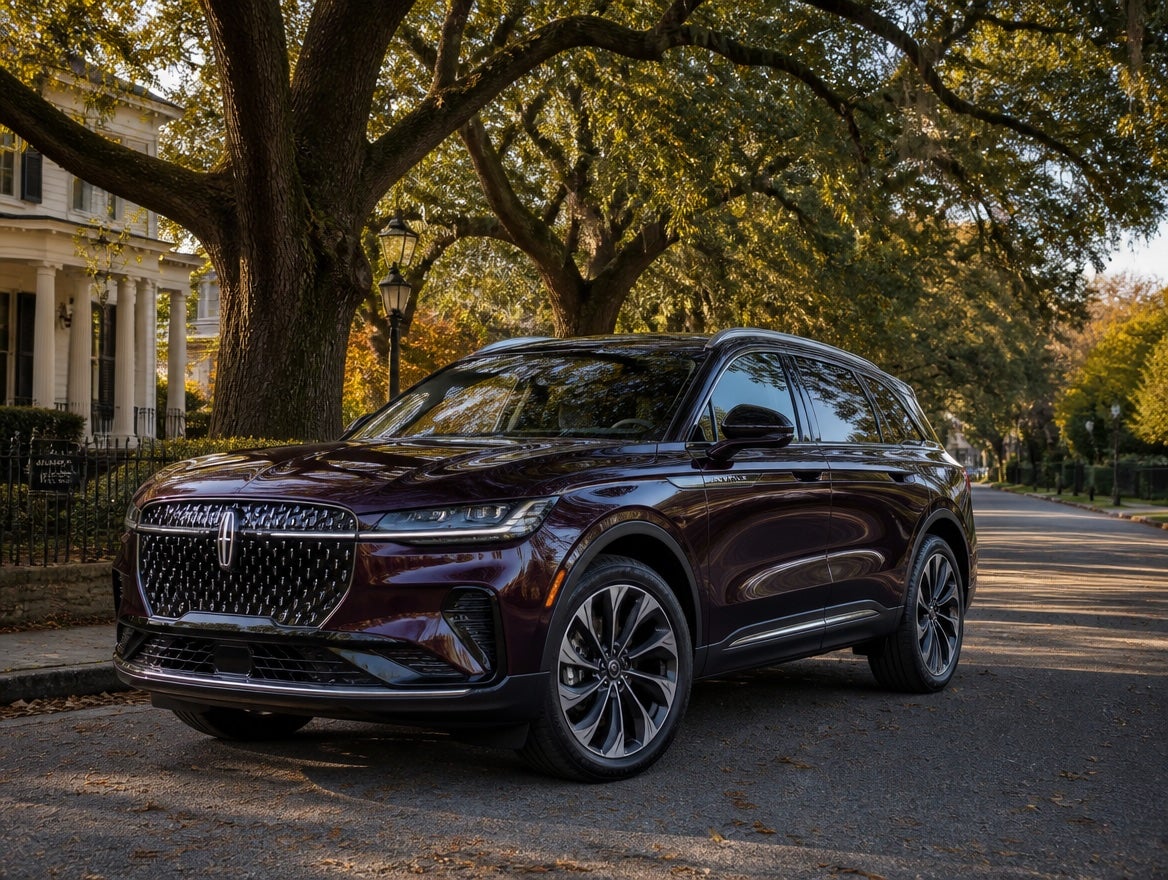
Eastern Boulevard moves to a certain rhythm. Signal to signal, a run of commercial stops, a long flat stretch out toward I-85, then back into the grid of east Montgomery's residential streets. Drive that corridor daily and you already know what a gas engine does out there. It idles, it restarts, and it works hardest right where the road asks the least of it.
Built for that pattern, the 2026 Lincoln Nautilus Hybrid earns its place through engineering, not marketing. The hybrid system recaptures energy through braking and coasting in stop-and-go conditions, which is exactly what a corridor like Eastern Boulevard produces. EPA numbers put a figure on it. The EPA rates it at 29 city and 31 highway mpg combined to 30, compared to 21 city and 24 combined for the standard gas Nautilus. That six-mpg combined difference has a direct address, and it's this city, this kind of driving.
We carry the 2026 Lincoln Nautilus here at Stivers Lincoln on Eastern Boulevard, and the question we hear from established east-side buyers isn't "is it a hybrid." It's "does it actually make sense for the way I drive." Fair question. Here's our straight answer.
Why Does the Nautilus Hybrid Fit Montgomery Driving?
Montgomery's daily reality breaks into three distinct conditions, and the Nautilus Hybrid's powertrain handles all three, though not identically, covering the stop-and-go corridor traffic on Eastern Boulevard and Taylor Road, the sustained highway cruising on I-85, and the long summer season where the air conditioning runs continuously. That summer stretch runs June through September, with July averaging a high of 93 degrees Fahrenheit and humidity hovering near 73 percent, and the compressor barely rests.
| Montgomery Driving Condition | Feature That Handles It | Why It Matters Here |
|---|---|---|
| Stop-and-go on Eastern Blvd / Taylor Rd | Electric motor + regenerative braking | Recaptures braking energy instead of burning it; most efficient exactly where gas engines idle longest |
| I-85 highway stretches | 285-hp combined system, eCVT | Smooth, confident power without the efficiency penalty of a conventional automatic; EPA rates highway at 31 mpg |
| Summer AC load (93 F avg July high) | Standard AWD + full hybrid system power buffer | Electric motor offsets engine workload when AC compressor adds load; more consistent than gas-only under thermal stress |
| Afternoon thunderstorm visibility | Standard BlueCruise 1.5 with lane centering | Adaptive cruise and lane centering reduce driver fatigue on slick interstates |
| Long River Region weekend drives | 20-gallon tank, approx 600-mile highway range | Fewer fill-ups on the Lake Martin run or the drive to Birmingham; gas Nautilus range is approx 480 miles highway |
One condition narrows the hybrid advantage, and it's sustained 75-plus mph interstate cruising with the AC on full in July. The electric motor contributes less at high steady speeds than in city cycling. It still returns better numbers than the gas Nautilus, though the city and stop-and-go delta is where the hybrid earns its clearest advantage.
A Powertrain Designed Around Comfort First, Then Efficiency
Comfort leads the engineering on this powertrain and efficiency rides along behind it, which is the part the spec sheet quietly underplays for the buyers we meet on our lot, where the standing worry is always whether a hybrid surrenders something to save fuel. In the Nautilus, the answer leans the other way. The turbocharged 2.0-liter engine pairs with an electronically controlled continuously variable transmission (eCVT) and standard all-wheel drive. Total system output, as Lincoln lists it, is 285 horsepower and 295 pound-feet of torque. That's 35 more horsepower than the gas-only Nautilus. The hybrid doesn't feel like a compromise powertrain.
Smoothness is the first thing you notice, because the electric motor fills in the low-end torque that a turbocharged four-cylinder takes a moment to build. Around town, that gives you an effortless, almost seamless pull from a stop. It matters on Eastern Boulevard not because you're in a hurry, but because a powertrain that responds cleanly keeps the cabin composed. Lincoln tuned the Nautilus for ride comfort over handling sharpness, with a suspension calibrated to absorb the uneven pavement on older sections of the east-side grid. Browse our current Nautilus inventory to see which trim configurations are on the lot now.
On the highway, BlueCruise 1.5 becomes the conversation. The 2026 model year adds automatic lane changes on designated divided highways to its hands-free driving. Practically, that means a cleaner I-85 or I-65 experience, with the system managing following distance and lane centering while you monitor. BlueCruise requires an attentive driver and works on prequalified mapped highways. The system isn't autonomous. For the professional who drives an hour to Birmingham with some regularity, it makes the drive noticeably less fatiguing.
BlueCruise maps cover the major interstates around the River Region. The feature won't engage on roads outside that network.
One thing we point out at the showroom is the fuel question. Lincoln recommends 91-octane premium fuel for maximum performance, in sustained heat, and when towing. The EPA ran its fuel economy tests on regular 87-octane, which the engine accepts. For Montgomery's summers, our team's straightforward read is that buyers who commute mostly in town can use regular without issue, while those who're regularly on the interstate in July heat will get cleaner performance with premium. Worth knowing rather than assuming.
Standard across every trim: The 48-inch panoramic display is available on Premiere through Black Label, as is BlueCruise 1.5. You get the full technology story without reaching for the top of the range. The financing options our team works through can help you land on the trim that fits your priorities.
- The hybrid powertrain is available on all three Nautilus trims: Premiere, Reserve, and Black Label
- Standard features on every trim include the 48-inch panoramic display, BlueCruise 1.5, standard AWD, and heated front seats
- Available Perfect Position seats offer 24-way adjustment with Active Motion massage, available on Reserve and Black Label
- The rear cabin slides and reclines, with 36.4 cubic feet of cargo space behind the second row and 71.3 with it folded
- The 2026 Nautilus (the most recently crash-tested model) earned a Top Safety Pick+ from the IIHS and five stars overall from NHTSA
The Honest Tradeoff: What the Nautilus Hybrid Is Not
The Nautilus Hybrid is a conventional hybrid rather than a plug-in, which means no charging port, no electric-only range to manage, and no home charger to install, and for most east-side buyers that arrangement is the appeal instead of a drawback. The Lincoln Corsair Grand Touring is Lincoln's plug-in hybrid option. The Nautilus Hybrid works like a conventional vehicle from the driver's perspective. You fill the 20-gallon tank, the hybrid system manages itself, and you'll see the benefit at the pump over time.
For buyers who want the efficiency gain without changing their routine, the fit is clean. For someone who wants a meaningful electric-only daily commute, the Nautilus Hybrid is the wrong tool. No getting around that.
At its core, the Nautilus Hybrid is a quiet, well-appointed midsize SUV that returns meaningfully better fuel economy than its gas-only sibling in the specific driving pattern east Montgomery produces, does so without any infrastructure requirement, and wraps the experience in a cabin that makes the Eastern Boulevard stop-and-go genuinely comfortable rather than just tolerable.
We're at 4000 Eastern Blvd, which means we see the same roads you do. The Lincoln Aviator is worth a look if three rows matter to you. But for a two-row household that prioritizes ride comfort, cabin technology, and a powertrain that works with Montgomery's rhythms, the 2026 Nautilus Hybrid makes a coherent case.
If you'd like to get a sense of how the cabin feels and how the powertrain performs on our local roads, our team's here.