Blog / Montgomery Lincoln Service

Blog

All Montgomery Lincoln Service Lincoln dealership Lincoln Nautilus Lincoln Aviator Lincoln Navigator Lincoln Corsair Montgomery Lincoln Dealer Local Lincoln Service Driver Safety Lincoln Certified Pre-Owned Stivers Lincoln Alabama Service Lincoln Model L100 Concept
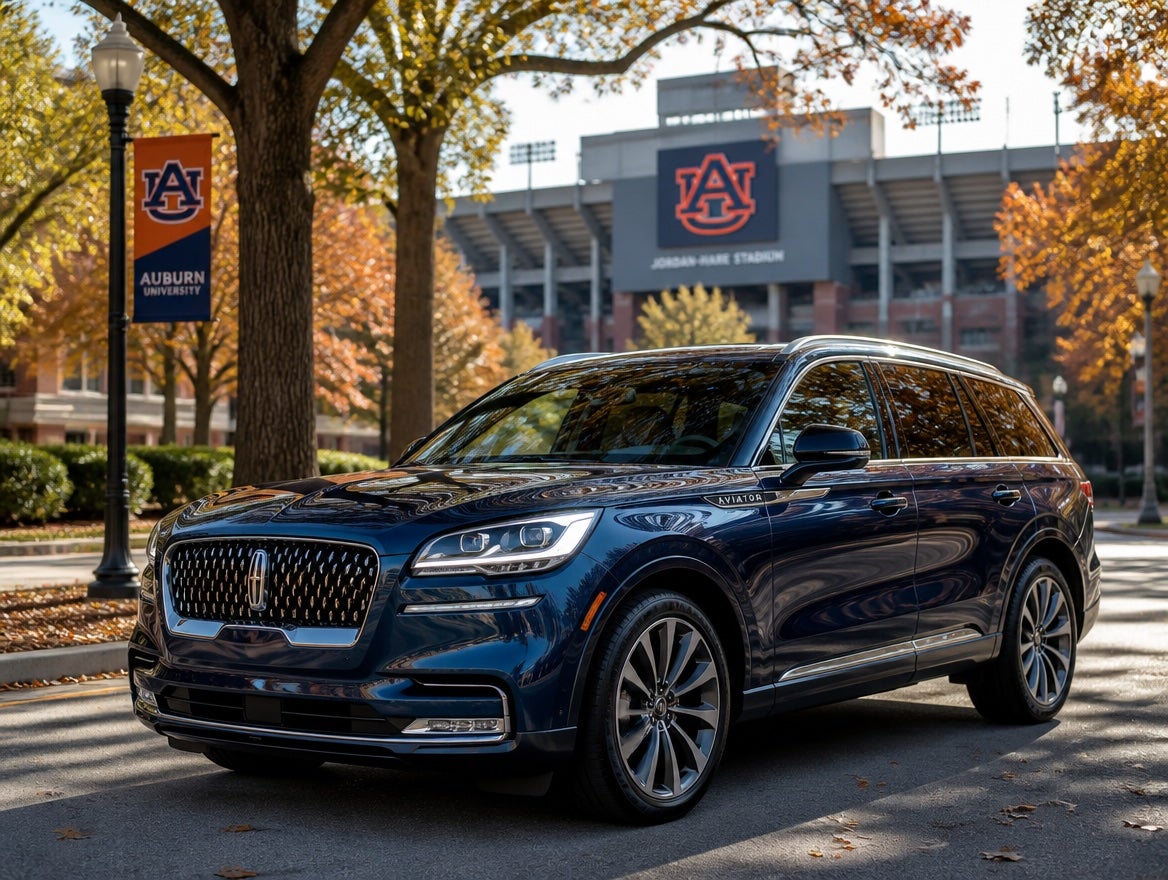
2026 Lincoln Aviator parked near Jordan-Hare Stadium on Auburn University campus on a September game day

Driving From Montgomery to Auburn for Game Day in a Lincoln

In this article What's the Plan at a Glance? Toomer's Corner and the Approach to The Plains The I-85 Stretch: Where the Lincoln Does Its Thing How the Vehicle Fits the Day Take I-85 North for 54 miles, arrive in roughly 55 minutes on a clear morning, and you've got one of the more satisfying short drives in the state. That's the plan. What makes it work is deciding, before you leave, whether you need the Aviator's composed three-row cabin for the family or the Navigator's full-flagship presence for a larger crew, then treating the parking reality at Jordan-Hare as part of the strategy from the start. Central Alabama means heat. Real heat. The kind that turns an unprepared cabin into a sauna the moment you crack the tailgate at a parking lot on Donahue Drive. We see clients load up for Auburn games, and the ones who arrive settled, cool, and ready to enjoy themselves are almost always in a vehicle that was managing the environment before they even left Montgomery. For most groups, The Lincoln Aviator fits that description. Three rows, a cabin that genuinely quiets road noise on I-85, and enough room behind the third row to carry coolers, chairs, and gear without asking anyone to hold something on a lap. What's the Plan at a Glance? Stop What to Do Best Time Parking Note Stivers Lincoln, Eastern Blvd, Montgomery Confirm vehicle is prepped; fuel, tire pressure, cabin cool Morning of game Your own lot I-85 North to Exit 51 (Auburn) 54-mile drive; BlueCruise active on qualifying stretch Allow 60-75 min game day N/A Toomer's Corner, Auburn Coffee, a walk through town, the pre-game atmosphere 3-4 hours before kickoff Street and garage parking within walking distance Jordan-Hare Stadium area Tailgate (free lots at Hayfields and Community Gardens) or ticketed lot Lots open before kickoff Large SUVs: pre-purchase a reserved spot; free lots are first-come Jordan-Hare Stadium Kickoff (88,043-seat capacity) Per your ticket Walk from parking area Toomer's Corner and the Approach to The Plains Auburn's downtown on game day is worth arriving early for, because the walk into the pregame crowd with coffee in hand is half the reason you make the drive, and getting there with two hours to spare beats the frantic parking-lot sprint every time. Toomer's Corner sits at the intersection of College Street and Magnolia Avenue. Fans gather there well before kickoff, and the energy at that hour has almost nothing in common with the scramble that comes later. The Lincoln Navigator earns its keep on a longer group trip to Auburn or a longer SEC road game later in the season. For Toomer's Corner and the immediate campus area, though, the Aviator's narrower footprint is easier to place in a downtown garage or along a tree-lined residential street. We'll say the tradeoff plainly. The Navigator is the right call when you're hosting six adults in real rear-seat comfort, or when the trip includes luggage for an overnight, and it's a larger vehicle to park, so you plan for it. Local note: Free tailgate lots at Hayfields and along Community Gardens open on a first-come basis on Saturdays. They fill up. Arriving three to four hours before kickoff is not excessive. It is standard practice at Jordan-Hare, and it turns parking from a problem into part of the day. The I-85 Stretch: Where the Lincoln Does Its Thing Fifty-four miles on I-85 North isn't a stress-inducing drive in any vehicle, but in an Aviator or Navigator it turns into something closer to restful, largely because Lincoln lists BlueCruise 1.5 as standard on all 2026 Aviator trims (not available on upper trims only, across the whole lineup). The system operates on prequalified hands-free Blue Zones across qualifying sections of I-85, which means a meaningful portion of the Montgomery-to-Auburn run qualifies. The driver still needs to be attentive and ready to resume control at any moment (BlueCruise is a driver-assist feature, not an autonomous system). Even so, the reduction in sustained physical input on a 55-minute interstate leg is noticeable. A Navigator L raises that comfort level further with its long-wheelbase body, an additional 11 inches of length and 14.5 cubic feet of extra cargo capacity behind the third row (relevant if you're packing a serious tailgate setup with chairs, a canopy, and a cooler). The 2026 Navigator's twin-turbo 3.5L V6 produces 440 horsepower and 510 lb-ft of torque per Lincoln's published specs, and all of that is managed through a 10-speed automatic with standard 4WD. You're not working the engine hard on I-85; it's simply there when the merge demands it. The honest note on the Navigator for this particular trip has to do with thirst. The EPA rates the 2026 Navigator at 15 city / 22 highway / 17 combined MPG (4WD, all trims). On a 54-mile primarily highway run, you're in the more favorable end of that range. It is not an efficient vehicle in any objective sense, and that's a real cost worth saying out loud. For a group of five or more who want the full flagship experience on the way to The Plains, it's also a deliberate choice. Next step: If you haven't driven an Aviator or Navigator on the interstate yet, we'd suggest doing it before game day. A quick run down Eastern Boulevard onto I-85 gives you a real sense of how BlueCruise settles the cabin on a highway stretch. Schedule a Pre-Trip Service Check How the Vehicle Fits the Day The 2026 Aviator's twin-turbo 3.0L V6 produces 400 horsepower and 415 lb-ft of torque per Lincoln's published specifications, and that figure barely registers at a steady I-85 pace, though it does show up in the merge off the Eastern Boulevard on-ramp and in the way the cabin manages noise and isolation at interstate speeds. Lincoln rates the Aviator at 17 city / 25 highway / 21 combined MPG (EPA estimates, front-wheel drive; AWD figures differ slightly). On a 54-mile highway run, the math is comfortable. Which one actually makes the trip? For most families it's the Aviator, so Browse our current Aviator and Navigator inventory at Stivers Lincoln before you commit and let the tailgate decide. Cargo volume with all three rows folded flat is 77.7 cubic feet in the Aviator per Lincoln's listed specs (enough for chairs, a soft cooler, and the gear that makes a two-hour tailgate genuinely comfortable). The 30-way Perfect Position front seats with available ventilation take September heat seriously. That last detail matters more than it sounds when you've just walked across a sun-baked parking lot and need to cool down before you even reach your seat. It matters. The drive home after a game (night, tired, likely a slower pace) is where the cabin's quiet pays its second dividend. Sixty minutes on I-85 South goes by differently when the road noise is managed and the seats haven't worn you out. The Plains will do the rest. Our job is making sure you arrive at Toomer's Corner composed enough to enjoy it. See What Your Current Vehicle Is Worth Stivers Lincoln of Montgomery 4000 Eastern Blvd, Montgomery, AL 36116 (334) 647-6905
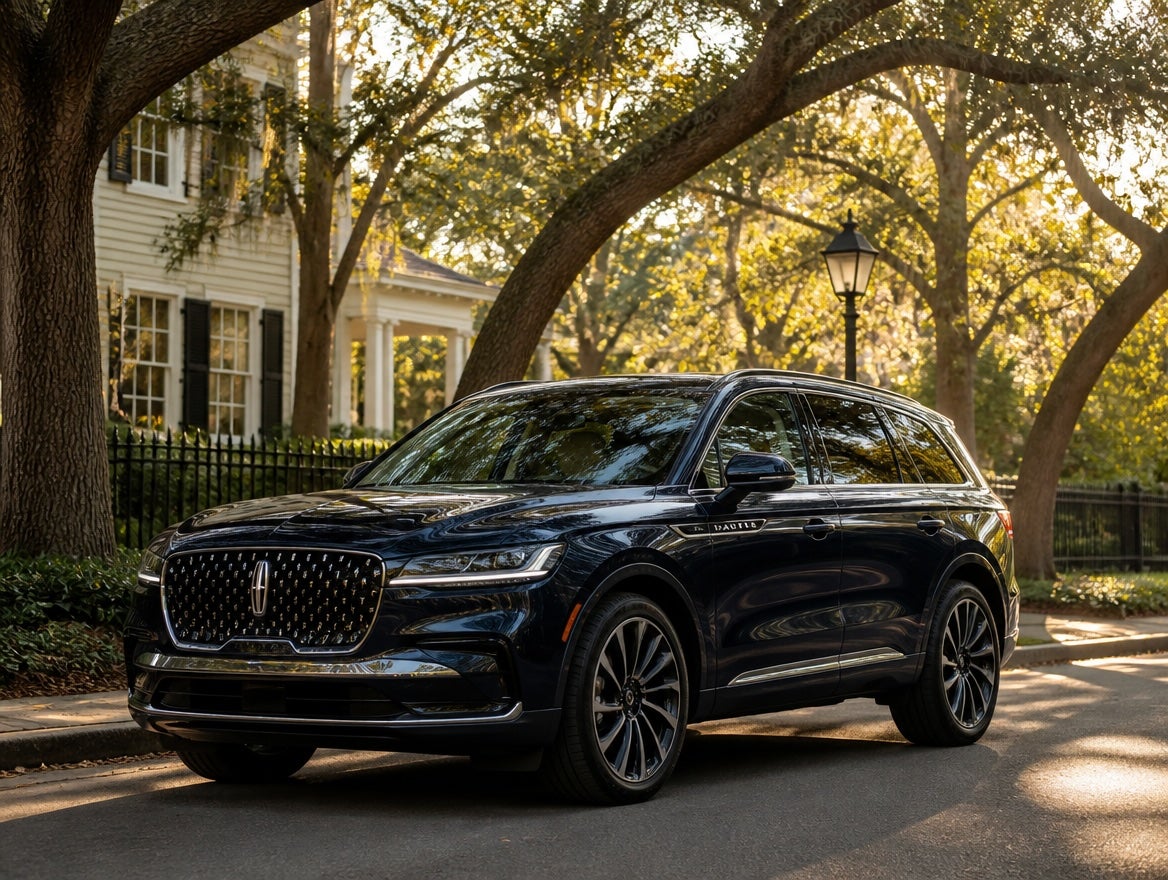
2026 Lincoln Nautilus parked under live oaks in east Montgomery Alabama, representing Lincoln oil change service care

When Does Your Lincoln Need an Oil Change? A Montgomery Owner’s Guide

In this article What's the Plan at a Glance? What the Intelligent Oil-Life Monitor Is Actually Measuring Montgomery's Climate Does Change the Calculation The Right Oil Matters as Much as the Interval The monitor handles the countdown. What it can't do is explain what it's actually saying when the message changes, and in Montgomery's climate, that distinction matters more than the number on the sticker. A 2026 Lincoln Nautilus running routine east-side errands and a Nautilus doing a lot of short stops in July heat will get different oil-change requests from the same system, on the same calendar. That gap is the whole point of the Intelligent Oil-Life Monitor. The system watches how you actually drive and sets the interval from there. Our service team sees it prompt service anywhere from six months to a full year depending on how the vehicle has been used. Both are correct. Neither surprises us. What's the Plan at a Glance? The table below maps the four signals your Lincoln can show you, running from a healthy reading through a past-due alert, and it tells you what each one actually calls for so you're never guessing at the wheel. We'd walk you through this same rundown standing on the service drive. It won't take long to read. What Your Lincoln Shows What It Means What to Do Time Frame Oil life 15% or above Comfortable margin remaining Monitor normally No action needed "Change Engine Oil Soon" Approximately 5% of oil life left Schedule service Within the next week or two "Oil Change Required" Calculated oil life at 0% Bring it in now Promptly Lincoln app past-due alert 0% for 3 or more days or 500 or more miles Book immediately Do not delay Lincoln's published guidance sets one hard ceiling regardless of what the monitor shows. No more than one year or 10,000 miles between oil changes, whichever arrives first. Drive fewer than 10,000 miles in a year and the calendar still wins. Schedule Your Lincoln Oil Change What the Intelligent Oil-Life Monitor Is Actually Measuring The Intelligent Oil-Life Monitor calculates oil change service intervals based on your vehicle's use, operating conditions, and time since the last oil service rather than counting miles, which is exactly why two identical Lincolns on the same block can ask for an oil change weeks apart. More specifically, it calculates a percentage of oil life remaining, from 100% to 0%, and it weighs factors like engine temperatures, idling, towing, and your other driving habits. That's why a Navigator towing a trailer through a run of hot afternoons and a Navigator doing mostly airport runs will split on what the system asks for, even when they share a model year and the same oil. The two messages on the display mean two different things. "Change Engine Oil Soon" means the vehicle has approximately 5% of its oil life remaining, and the oil and filter should be replaced soon. Think of it as a planning message. "Oil Change Required" means the calculated oil life has reached 0%. One hands you a comfortable window to schedule. The other is asking you not to wait. Owners using the Lincoln app get a third threshold on top of those two. A Time to Plan notice appears within 30 days of the estimated service date, and a past-due alert fires once the vehicle has sat at 0% for three or more days or 500 or more miles. Check the app now and then, and you'll generally have good warning long before the cluster message ever appears. Insider note: The monitor resets on the steering wheel, not at the pump. After any oil service here, press the setup button and scroll to "oil-life percentage reset." Your Lincoln has to confirm the service before the estimate recalibrates. Miss that step and the app and cluster both keep counting from the old baseline. Montgomery's Climate Does Change the Calculation Montgomery's climate does shift what the monitor calculates, because the IOLM's algorithm accounts for operating temperature and driving pattern, and our summers press on both of those at once in a way the generic maintenance guides never bother to address. Our summers are genuinely demanding on both counts. Sustained high ambient temperatures sit on the manufacturer's own list of severe-service conditions, and our summers qualify with no argument. Summers in Montgomery regularly push past 95 degrees, and underhood temperatures climb considerably higher than that. At those numbers, oxidation speeds up, and it doesn't do it gently. As a rough rule, oil breaks down about twice as fast for every 18-degree rise in operating temperature, so a July commute isn't the same chemical environment as a January one. Short trips compound all of it. Frequent runs under 10 miles keep the oil from reaching full operating temperature, so moisture and fuel dilution never get the chance to burn off. Humidity pairs with those short trips, and moisture condenses inside the crankcase (Montgomery air gives it plenty to work with in the warm months). When the engine never runs long enough to boil that water off, it stays in the oil and helps form sludge. Aviator owners who mostly drive short east-side routes, the school run, the office, the grocery trip and back, will see the IOLM prompt service well before the 10,000-mile ceiling. That's the system working exactly as it should. For instance, when a vehicle idles a great deal, the Intelligent Oil-Life Monitor may alert you to change the oil at 7 months or 4,000 miles. After that service, the estimate recalibrates to reflect your actual pattern going forward. Next step: If your Lincoln's oil life has dropped below 15% and you haven't booked service yet, call our team at (334) 647-6905 or use the link below. We'll confirm the right oil spec for your model and get you back on the road without the appointment eating your morning. The Right Oil Matters as Much as the Interval The viscosity your Lincoln calls for is a hard requirement, and it varies by model, so matching the exact spec matters as much as hitting the interval if you want the engine protected through a long Alabama summer the way it was engineered to be. A fair question from Navigator L owners is whether any SAE 5W-30 full synthetic will do, and for current Navigators the answer is yes, provided it meets Ford specification WSS-M2C962-A1. The 2026 Nautilus takes SAE 5W-30 as well, with a capacity of 6.1 quarts including the filter, and it meets specification WSS-M2C971-A1. The current Aviator's 3.0-liter twin-turbocharged engine also calls for SAE 5W-30 full synthetic, with a 6.0-quart capacity. Full synthetic is the right call for all three. Synthetic holds up longer because it doesn't thicken into sludge as fast when it's cooking under extreme heat. In central Alabama, that property isn't a luxury line item on the spec sheet; it's what keeps the engine protected through six months of heat before the monitor ever asks for service. A detail worth flagging is that the 2026 Nautilus doesn't take 5W-20, despite what some third-party references show. The owner's manual is the governing document, and a service record showing the correct specification protects your vehicle's history. When our team handles the service here, the invoice reflects that spec. That matters at trade or resale. Book a Service Appointment at Stivers Lincoln Stivers Lincoln of Montgomery 4000 Eastern Blvd, Montgomery, AL 36116 (334) 647-6905
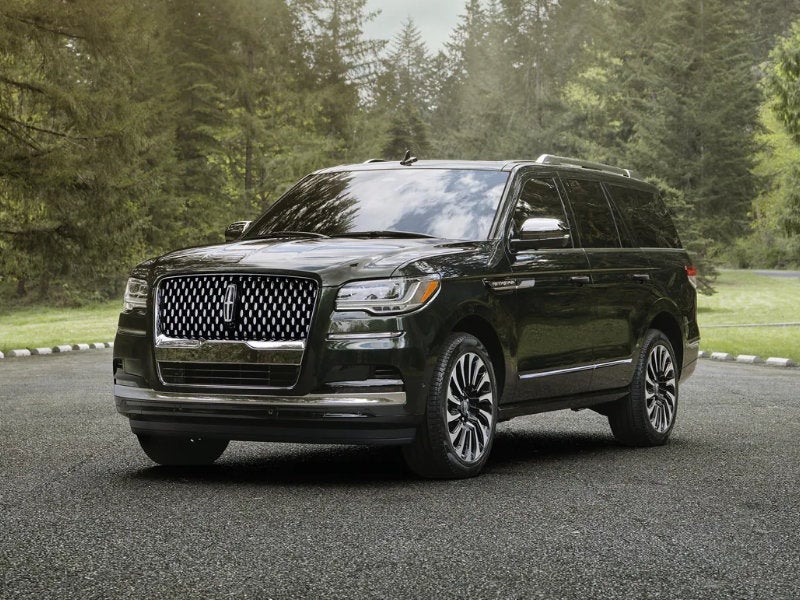
2024 Lincoln Navigator

Lincoln Navigator Reliability and Driver Ratings

For more than 25 years, the Lincoln Navigator has delivered luxury and potent towing power in a full-size SUV. The 2025 Lincoln Navigator appeals to discerning Montgomery, Alabama, drivers who seek a dependable vehicle with premium features. Our Stivers Lincoln of Montgomery team put together the following Lincoln Navigator reliability and driver ratings guide to help you learn more about this Lincoln SUV. Lincoln Navigator Reliability Rating Breakdown RepairPal classifies the Lincoln Navigator reliability rating as 2.5 out of 5, ranking the vehicle fifth out of 19 among luxury full-size SUVs. This rating suggests that the Lincoln Navigator's reliability is average compared to similar luxury full-size SUVs. While the 2.5 out of 5 rating suggests that the Lincoln Navigator has a higher-than-average frequency of repairs, the vehicle still performs better than many other luxury SUVs in dependability. Compared to competitors in its class, such as the BMW X7, Cadillac Escalade, and Mercedes-Benz GLS, the Lincoln Navigator's reliability rating is in the middle range. While some competitors' vehicles may have better or poorer reliability scores, the Lincoln Navigator is a relatively reliable choice for a luxury full-size SUV. Engine, Transmission, and Performance The 2025 Lincoln Navigator has one powertrain option: a twin-turbocharged 3.5-liter V-6 engine. Capable of producing 440 horsepower and 510 lb-ft of torque, the Lincoln Navigator offers a 10-speed automatic transmission that enables drivers to shift through gears adeptly. In performance tests, the Lincoln Navigator made it to 60 mph in 5.3 seconds, according to Car and Driver reports. Although the vehicle does not contain a V-8 engine, it produces a respectable 16 mpg city and 22 mpg highway. Drivers will appreciate how the Lincoln Navigator engines produced by the automaker provide five distinct drive modes and an adaptive suspension to create a dynamic driving experience. The 2025 Lincoln Navigator delivers standard four-wheel drive and can tow loads of up to 8,700 pounds when properly equipped with the Heavy-Duty Trailer Tow Package. This towing package adds features such as Smart Trailer Tow, Trailer Brake Controller, Trailer Sway Control, and an additional Lincoln Drive mode, Slow Climb, which helps avoid engine overheating when ascending a steep grade. Safety and Driver-Assistance Features The 2025 Lincoln Navigator features the innovative hands-free highway-driving technology BlueCruise as standard. Limited to prequalified sections of divided highways known as Hands-Free Blue Zones, Lincoln BlueCruise allows you to confidently operate your vehicle hands-free on more than 130,000 miles of North American roads. Lincoln BlueCruise offers Lane Change Assist, which enables drivers to switch lanes hands-free simply by tapping the turn signal. In-lane repositioning subtly moves the vehicle away from vehicles in adjacent lanes on the highway to provide more room. Additional enhancements include greater overall stability within the driving lane and smoother handling of curves. Consumer Reports has named Lincoln BlueCruise, available on all Lincoln models, the top-rated assisted-driving system. The technology received its highest ratings for safety and performance. Additionally, the Lincoln Navigator offers the Co-Pilot360 suite of driver-assistance technology. This suite includes standard features such as the following: Adaptive cruise control with hands-free highway driving mode. Automated emergency braking with pedestrian detection. Blind-spot monitoring and rear cross-traffic alert. Interior, Comfort, and Cargo The Lincoln Navigator's interior is replete with luxury features designed to pamper you and your passengers during your travels. The 24-way power-adjustable driver's seat in the Lincoln Navigator Reserve trim offers extraordinary comfort you can customize. You and your front-seat passenger also benefit from heated, massaging, and ventilated cushions, a signature feature of Lincoln's flagship SUV. Third-row passengers will find plenty of space to spread out thanks to the 40/20/40 split-folding bench seat. A 48-inch dash-spanning screen creates an easy-to-read experience for the infotainment system's displays. Wireless Apple CarPlay and Android Auto are standard. A 28-speaker Revel Ultima 3-D sound system is a treat in itself, especially when paired with the vehicle's Rejuvenate relaxation mode. The grandeur of the Lincoln Navigator's size makes owning one a blessing when you need to pack up the vehicle for vacation. Although short-wheelbase models of the Lincoln Navigator have limited cargo space when all three rows of seating are in use, the space opens up when you stow the third-row seat. Long-wheelbase Navigator L models are the best for maximizing available cargo space. Is a Lincoln Navigator a Reliable Car? Drivers who may want to purchase this vehicle may ask, "Is a Lincoln Navigator a good car to own?" or "Are Lincoln Navigators reliable?" The Lincoln Navigator is known for its durability and longevity potential, especially when well-maintained. Copilot says, "For a large luxury SUV, the Navigator has a promising potential for longevity, up to 200,000 miles with proper care, usage, and maintenance." Proper maintenance, such as regular oil changes, tire rotations, and prompt repairs of any issues, can extend the Lincoln Navigator's life span. Is the Lincoln Navigator a Good Luxury Car? If you're attracted to the Lincoln Navigator's distinctive blend of luxury and capability, then this vehicle could be a good choice for you. Its powerful engine, generously appointed cabin, and advanced technology features make it a viable option for luxury SUV owners. Lincoln Navigator Reviews Consumer Reports and J.D. Power, two well-respected sources for vehicle evaluations, have yet to release reliability ratings for the 2025 Lincoln Navigator. Car and Driver found the 2025 Lincoln Navigator to be "formidable in size and thirst," noting the vehicle's blend of luxury and modern technology. MotorTrend observes that the Lincoln Navigator's BlueCruise hands-free highway driving technology is "one of the best on the market." Edmunds summarized its Lincoln Navigator review by saying, "At first acquaintance, the 2025 model is a thorough and convincing overhaul of a popular vehicle." Contact Stivers Lincoln of Montgomery for More Lincoln Navigator Reliability Information The 2025 Lincoln Navigator appeals to sophisticated drivers who desire a reliable vehicle with luxury elements. If you're looking for a pre-owned Lincoln Navigator or a new Lincoln Navigator, visit our Stivers Lincoln of Montgomery dealership today at 4000 Eastern Blvd. in Montgomery, Alabama. Call us at 334-777-6998 or send us a message online. Discover why our team is fully committed to serving all your automotive needs and helping you get behind the wheel of your next Lincoln car or SUV. Images By OEM

Is the Lincoln Aviator a reliable vehicle

Is the Lincoln Aviator a reliable vehicle?

For over two decades, the Lincoln Aviator has been the standard by which American midsize luxury SUVs are measured. The three-row crossover offers a robust engine, a spacious interior, and top-of-the-range tech features designed to elevate every journey. With such an attractive slew of offerings, it's no surprise that this luxury SUV comes at a hefty price tag. In this guide, our team at Stivers Lincoln of Montgomery looks at the model's progression over the years to determine whether it's reliable enough to warrant your consideration. Quality, Luxury, and Reliability: Best Years for the Lincoln Aviator The now highly coveted Lincoln Aviator was first introduced by Ford in 2003. It was initially launched to cater to luxury car buyers who deemed the Lincoln Navigator unappealing due to its massive size. Earlier models, such as the first-generation Aviator (manufactured from 2003 to 2005), were released as rebadged versions of the third-generation Ford Explorer. While these models were well-received for their comfort and power, they had some reliability concerns, particularly with their transmission and air-conditioning systems. In 2020, Ford launched the second-generation Aviator, marking a significant improvement over earlier iterations. It later followed through with new models in 2021 and 2022, building on the success of the 2020 model. Thanks to improved manufacturing processes, these recent models are significantly more reliable than their earlier counterparts, making them the best iterations in the lineup. Is the Lincoln Aviator Reliable? Reliability is a critical factor when choosing any vehicle, and this is no different when it comes to the Lincoln Aviator. These SUVs are generally reliable, particularly the more recent models. Most reviews typically give this model a good predicted reliability score of 7 out of 10. One of the main features of the Aviator that contributes to its reliability is its powertrain. The standard 3.0-liter twin-turbocharged V-6 engine delivers an astonishing 400 horsepower, making it a force to reckon with on and off the road. This powerplant is paired with the 10-speed automatic transmission system, offering lightning-fast acceleration and balanced handling. However, like any vehicle, the Lincoln Aviator has its potential issues. Some owners have reported minor problems with the in-car electronics and occasional transmission and steering suspension issues in the 2003, 2004, and 2005 models. Nevertheless, Lincoln has been proactive in addressing these concerns through recalls and updates, ensuring that owners can enjoy an exhilarating and reliable driving experience. Is the Lincoln Aviator Expensive To Maintain? It's no secret that luxury vehicles almost always come with high maintenance costs. While it's generally reliable, the cost of maintaining a Lincoln Aviator can be higher than that of nonluxury SUVs, primarily due to premium parts and the advanced technology integrated into the vehicle. According to a report by Repair Pal, the average annual repair and maintenance cost of a Lincoln Aviator is $626. Routine maintenance services, such as oil changes, tire rotations, and brake inspections, are typically more expensive at Lincoln dealerships than at standard service centers. This is due to the specialized knowledge required to work on luxury vehicles. In addition to routine maintenance, the Aviator may require occasional repairs, particularly as it ages. While the cost of these repairs varies depending on the issue, they can be higher than average due to the complexity of the vehicle's systems. For example, replacing your Aviator's powertrain control module will likely set you back by $800 to $827, while an air-conditioning expansion valve replacement will cost you anywhere between $397 and $456. Despite these potential costs, many owners find that the Aviator's luxurious features and performance justify the maintenance expenses. Additionally, Lincoln offers a comprehensive warranty for new vehicles, which can help cover the cost of unexpected repairs during the first few years of ownership. For instance, the 2024 Lincoln Aviator has a four-year or 50,000-mile limited warranty and a six-year or 70,000-mile powertrain warranty. Which Lincoln Aviator Is the Most Reliable? If you're looking for the most reliable Lincoln Aviator, the 2021 model is the best pick. This iteration scores high in reliability and has even been ranked among the top five luxury SUVs. Building on the success of its predecessor from the previous year, the 2021 Lincoln Aviator offers a more spacious cargo hold, an updated infotainment system, and modern comfort amenities. Additionally, the 2021 iteration of the Aviator features a range of top-of-the-line safety features that significantly boost its reliability scores. It also comes in five distinct trim levels, providing enough versatility for different driving needs and preferences. Lincoln Aviator Reliability by Model Year To help you quickly compare reliability and ownership expectations, here’s a breakdown of key Lincoln Aviator model years and what drivers can expect: Model Year Reliability Rating Key Strengths Common Issues Recommendation 2003–2005 Below Average Strong V8 engine, comfortable ride Transmission issues, A/C problems Avoid unless fully inspected 2020 Good Redesigned platform, strong performance Minor electronics issues Solid option 2021 Very Good Improved reliability, updated tech Few reported issues Best overall pick 2022–2024 Very Good Refined features, improved build quality Occasional infotainment bugs Recommended Is the Lincoln Aviator Worth It? There are plenty of things to love about the Lincoln Aviator. It offers a premium driving experience with its smooth ride, powerful engine, and upscale interior. Moreover, it comes with various advanced technologies, including a user-friendly infotainment system and a suite of driver-assistance features that make every journey comfortable and enjoyable. However, if you want the best value for your money, consider the more recent models. While older iterations may be cheaper than other luxury SUV options on the market, they're plagued by numerous problems that can make them more expensive to maintain. So, if you're considering purchasing an Aviator, we recommend the 2020 or newer model year, as they offer more reliability. Key Factors That Impact Lincoln Aviator Reliability While model year plays a major role in reliability, several additional factors can affect how dependable your Lincoln Aviator will be over time. Maintenance history: Regular oil changes and scheduled service help prevent major issues. Driving conditions: Stop-and-go traffic, heat, and long highway miles can impact wear and tear. Technology usage: Advanced systems require updates and proper care to function correctly. Ownership habits: Gentle driving and proper storage can extend vehicle lifespan. Choosing a newer model with a documented service history is often the best way to ensure long-term reliability. How long does a Lincoln Aviator typically last? With proper maintenance, a Lincoln Aviator can last 150,000 to 200,000 miles or more. Newer models from 2020 and later tend to offer better long-term reliability. Is the Lincoln Aviator expensive to repair? Repair costs can be higher than average due to luxury components and advanced technology. However, routine maintenance and warranty coverage can help manage costs. Are Lincoln Aviators good for long-distance driving? Yes, the Aviator is designed for comfort and performance, making it a strong choice for long road trips with its smooth ride and spacious interior. What are the most common Lincoln Aviator problems? Earlier models may experience transmission or electrical issues, while newer models occasionally report minor infotainment glitches. Is it better to buy a new or used Lincoln Aviator? A certified pre-owned or newer used model from 2020 or later often provides the best balance of value, reliability, and modern features. Book a Test Drive To Experience the Stylish Lincoln Aviator The Lincoln Aviator offers a compelling package worth your attention if you're in the market for a midsize luxury SUV. With its advanced technology, powerful performance, and upscale design, the Aviator delivers an enjoyable and stylish driving experience. Granted, it comes with the higher maintenance costs typical of luxury vehicles. However, its reliability, especially in the 2020, 2021, and later models, makes it a strong choice for those looking for a dependable and luxurious ride. Contact us today to book a free test drive and experience the thrill and luxury of the Lincoln Aviator. Images by Linc oln

Contact Us

Fill out this form below and we'll contact you shortly
*Required Fields