Blog / Montgomery Lincoln Service

Does Cooler Fall Weather Affect Your Lincoln’s Tire Pressure?

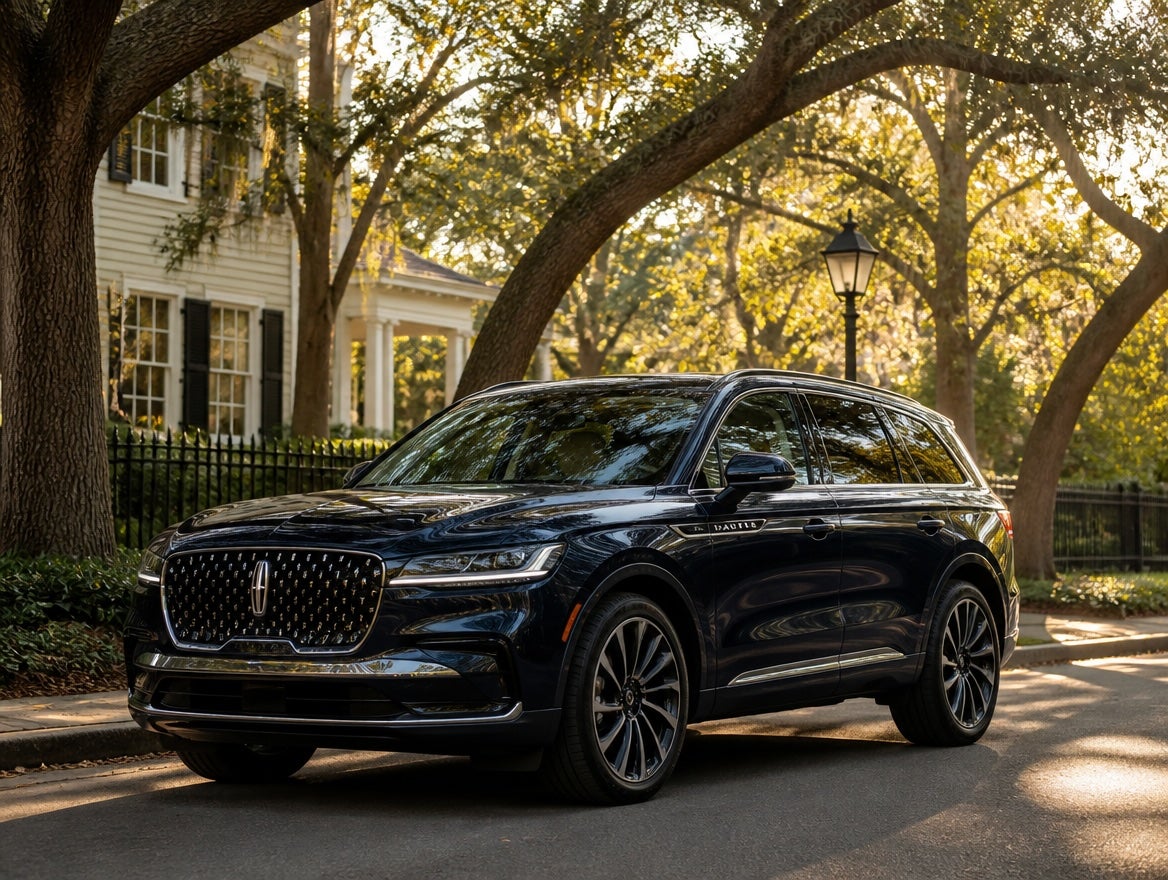
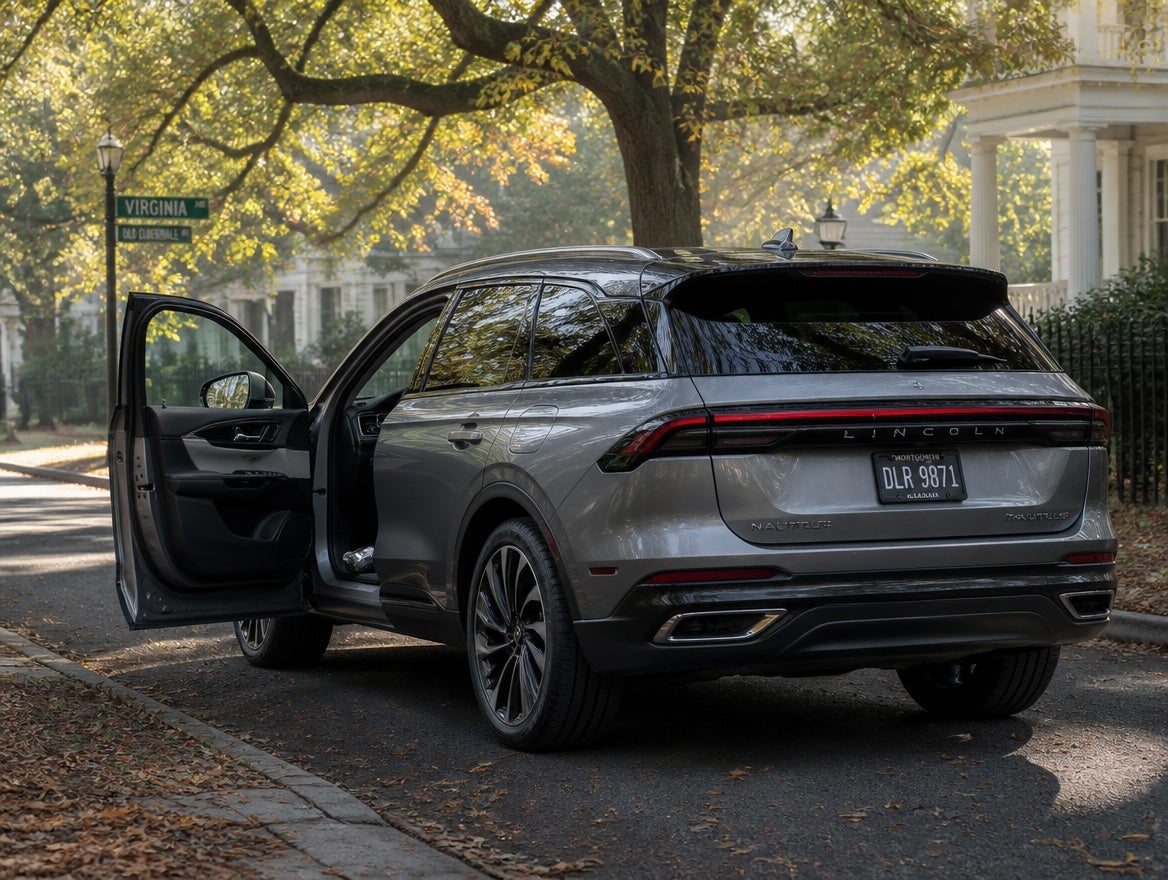
2026 Lincoln Nautilus parked on a shaded Montgomery street in fall morning light with a tire pressure gauge on the door sill

October in Montgomery isn't the sharp-edged autumn you'd feel up in the Appalachians. Our version runs quieter. Afternoons still climb into the upper 70s, but overnight lows slip into the mid-50s, and by late November that gap widens further. A 20-degree diurnal swing is pleasant to drive through, and it's also pulling pressure out of your tires while the cabin cools in the driveway. The physics are simple and the math is worth knowing, because your Lincoln's TPMS light won't tell you there's a problem until things are considerably worse than a little low.

Book a tire pressure check with our service team if you'd rather hand it off. If you'd prefer to understand what you're managing and why, read on.

The short version
  • For every 10-degree Fahrenheit drop in temperature, tire pressure falls roughly 1 PSI. Montgomery's typical October overnight swing of about 20 degrees means roughly 2 PSI of pressure loss before your morning drive.
  • The TPMS warning light is required by federal regulation to activate at 25% below the manufacturer's recommended pressure. Your tires can be 10 to 20% low with no light showing.
  • Lincoln recommends checking pressure against the placard on the driver's door jamb, not the number printed on the tire sidewall. The two figures are different.
  • Cold-tire readings (before driving or after sitting at least three hours) are the only accurate ones. A gauge reading taken after highway driving reads 4 to 6 PSI high.
  • A brief monthly check with a quality handheld gauge takes less than three minutes and is the only reliable way to stay ahead of the fall PSI creep.

What Actually Matters When Choosing How to Monitor Tire Pressure?

The decision comes down to whether you trust the TPMS on its own or add a monthly manual gauge habit on top of it, and the specs settle the question cleanly, since the dashboard is built to flag a sudden failure and a handheld gauge is the thing that catches the slow seasonal drift. Here's what the specs say about each.

Monitoring methodBest forKey specHonest tradeoff
TPMS display (dashboard)Catching a significant, acute pressure lossActivates at 25% below placard per FMVSS 138Won't alert on 10-20% underinflation; misses the slow seasonal creep entirely
Handheld digital gaugeMonthly cold-check precisionReads to within 0.5 PSI on quality modelsRequires a habit; must check before driving or after 3+ hours of sitting
Service center checkAnnual or seasonal verified inspectionCalibrated equipment, professional eye on tread and valve stemsCosts a trip; not practical for monthly checks
Nitrogen fill (optional)Reducing month-to-month permeation lossNitrogen permeates a bit slower than airDoesn't eliminate temperature-driven pressure change; still needs periodic checks

The trouble is that the TPMS works as a catastrophe net, not a maintenance tool. Federal Motor Vehicle Safety Standard 138 sets the activation threshold at 25% below the recommended cold inflation pressure. For a Lincoln Nautilus with a placard spec of 35 PSI, the light comes on around 26 PSI. A tire running at 30 PSI is nearly 15% low. Nothing lights up. Yet that tire is wearing faster, braking on a wider footprint, and returning a little less than its rated fuel economy with every mile.

Why the Fall Temperature Swing in Montgomery Is the Variable to Watch

Our fall is the transition those physics textbooks describe most clearly, and it matters here because October averages a high near 77 degrees Fahrenheit against an overnight low near 57, a 20-degree spread that translates, at roughly 1 PSI per 10 degrees Fahrenheit, to about 2 PSI lost between a warm afternoon and a cool morning. November tightens the picture. The average high drops to about 65 degrees, with overnight lows approaching 46, and a tire set to 35 PSI on a 75-degree October afternoon sits closer to 31 or 32 PSI on a 45-degree November morning (before you've driven a single mile).

Lincoln Nautilus owners should treat the door-jamb placard as the definitive pressure source. The number stamped on the tire sidewall is the tire's maximum structural load pressure, which is something else entirely.

Lincoln Aviator configurations vary by trim and wheel size. The Reserve, Grand Touring, and Black Label each carry different tire dimensions, so Lincoln's specified target shifts accordingly. The placard is the reference that fits your specific build.

Tip: Check pressure in the morning before the car has moved, or after it's sat for at least three hours. A tire driven for 30 minutes on a warm afternoon reads 4 to 6 PSI above its true cold pressure, which makes the number useless for maintenance.
FuelEconomy.gov, the joint DOE and EPA consumer resource, estimates that each 1 PSI drop across all four tires reduces fuel economy by approximately 0.2%, meaning a 3 PSI seasonal shortfall costs roughly 0.6% on every tank.

Match the Right Check Interval to How You Drive

We see something consistent on our service drive through the fall, where a vehicle in for routine work will often show 3 to 5 PSI below placard across all four tires with the TPMS lights off on every one of them. The pressure loss is genuine and measurable, yet it arrives gradually enough that the federal threshold never trips. Fall creates that gap without ever tripping a light.

How often should you actually check? Once a month with a quality handheld gauge handles it cleanly, since tires also lose roughly 1 to 2 PSI per month through natural permeation independent of temperature, so fall stacks two separate sources of pressure loss that compound over the quarter.

For Lincoln Navigator owners, the geometry sits a little differently. The Navigator's recommended placard pressure runs toward the upper 30s, and the vehicle's greater weight makes sustained underinflation harder on tread wear and rolling resistance. Navigator L owners should note that the rear tire spec occasionally differs from the front when the vehicle is configured for maximum passenger or cargo load. The door-jamb placard accounts for your specific build. A shop reading won't.

One thing is worth stating plainly, and it comes down to timing. Adding air on a cold morning to reach the correct placard number is right. Add it on a warm afternoon to that same target, though, and the tires will be slightly over-inflated by morning. Neither scenario is a crisis, but morning cold checks remove the variable and give you the number that reflects your tire's condition.

FAQ

Will my TPMS light tell me when fall weather drops my tire pressure?

Not reliably. Per FMVSS 138, the TPMS warning is required to activate when pressure is 25% or more below the manufacturer's recommended cold inflation pressure. For a 35 PSI specification, that means the light comes on at roughly 26 PSI or lower. Montgomery's typical fall temperature swing of 20 degrees overnight pulls approximately 2 PSI from tires at the standard rate of 1 PSI per 10 degrees Fahrenheit. That is enough to move a properly inflated tire from 35 PSI to 33 PSI, which is well above the alert threshold. The TPMS light may never illuminate even as the pressure drifts into the range where tread wear and fuel economy are being affected. A monthly cold check with a handheld gauge is the only way to catch it.

Where do I find the correct tire pressure for my specific Lincoln?

The authoritative source is the tire information placard on the driver's door jamb. Open the driver's door and look for the sticker on the door frame or door edge. It lists the recommended cold inflation pressure for your vehicle's specific wheel and tire configuration. Do not use the number embossed on the tire sidewall, which indicates the tire's maximum structural pressure and is a higher, different figure. Lincoln's lineup carries different specifications across models and trim levels, so the door-jamb placard is always the right reference for your particular vehicle.

Stivers Lincoln of Montgomery

4000 Eastern Blvd, Montgomery, AL 36116

(334) 647-6905

Posted in:

Related Posts

2024 Lincoln Navigator

Lincoln Navigator Reliability and Driver Ratings

For more than 25 years, the Lincoln Navigator has delivered luxury and potent towing power in a full-size SUV. The 2025 Lincoln Navigator appeals to discerning Montgomery, Alabama, drivers who seek a dependable vehicle with premium features. Our Stivers Lincoln of Montgomery team put together the following Lincoln Navigator reliability and driver ratings guide to help you learn more about this Lincoln SUV. Lincoln Navigator Reliability Rating Breakdown RepairPal classifies the Lincoln Navigator reliability rating as 2.5 out of 5, ranking the vehicle fifth out of 19 among luxury full-size SUVs. This rating suggests that the Lincoln Navigator's reliability is average compared to similar luxury full-size SUVs. While the 2.5 out of 5 rating suggests that the Lincoln Navigator has a higher-than-average frequency of repairs, the vehicle still performs better than many other luxury SUVs in dependability. Compared to competitors in its class, such as the BMW X7, Cadillac Escalade, and Mercedes-Benz GLS, the Lincoln Navigator's reliability rating is in the middle range. While some competitors' vehicles may have better or poorer reliability scores, the Lincoln Navigator is a relatively reliable choice for a luxury full-size SUV. Engine, Transmission, and Performance The 2025 Lincoln Navigator has one powertrain option: a twin-turbocharged 3.5-liter V-6 engine. Capable of producing 440 horsepower and 510 lb-ft of torque, the Lincoln Navigator offers a 10-speed automatic transmission that enables drivers to shift through gears adeptly. In performance tests, the Lincoln Navigator made it to 60 mph in 5.3 seconds, according to Car and Driver reports. Although the vehicle does not contain a V-8 engine, it produces a respectable 16 mpg city and 22 mpg highway. Drivers will appreciate how the Lincoln Navigator engines produced by the automaker provide five distinct drive modes and an adaptive suspension to create a dynamic driving experience. The 2025 Lincoln Navigator delivers standard four-wheel drive and can tow loads of up to 8,700 pounds when properly equipped with the Heavy-Duty Trailer Tow Package. This towing package adds features such as Smart Trailer Tow, Trailer Brake Controller, Trailer Sway Control, and an additional Lincoln Drive mode, Slow Climb, which helps avoid engine overheating when ascending a steep grade. Safety and Driver-Assistance Features The 2025 Lincoln Navigator features the innovative hands-free highway-driving technology BlueCruise as standard. Limited to prequalified sections of divided highways known as Hands-Free Blue Zones, Lincoln BlueCruise allows you to confidently operate your vehicle hands-free on more than 130,000 miles of North American roads. Lincoln BlueCruise offers Lane Change Assist, which enables drivers to switch lanes hands-free simply by tapping the turn signal. In-lane repositioning subtly moves the vehicle away from vehicles in adjacent lanes on the highway to provide more room. Additional enhancements include greater overall stability within the driving lane and smoother handling of curves. Consumer Reports has named Lincoln BlueCruise, available on all Lincoln models, the top-rated assisted-driving system. The technology received its highest ratings for safety and performance. Additionally, the Lincoln Navigator offers the Co-Pilot360 suite of driver-assistance technology. This suite includes standard features such as the following: Adaptive cruise control with hands-free highway driving mode. Automated emergency braking with pedestrian detection. Blind-spot monitoring and rear cross-traffic alert. Interior, Comfort, and Cargo The Lincoln Navigator's interior is replete with luxury features designed to pamper you and your passengers during your travels. The 24-way power-adjustable driver's seat in the Lincoln Navigator Reserve trim offers extraordinary comfort you can customize. You and your front-seat passenger also benefit from heated, massaging, and ventilated cushions, a signature feature of Lincoln's flagship SUV. Third-row passengers will find plenty of space to spread out thanks to the 40/20/40 split-folding bench seat. A 48-inch dash-spanning screen creates an easy-to-read experience for the infotainment system's displays. Wireless Apple CarPlay and Android Auto are standard. A 28-speaker Revel Ultima 3-D sound system is a treat in itself, especially when paired with the vehicle's Rejuvenate relaxation mode. The grandeur of the Lincoln Navigator's size makes owning one a blessing when you need to pack up the vehicle for vacation. Although short-wheelbase models of the Lincoln Navigator have limited cargo space when all three rows of seating are in use, the space opens up when you stow the third-row seat. Long-wheelbase Navigator L models are the best for maximizing available cargo space. Is a Lincoln Navigator a Reliable Car? Drivers who may want to purchase this vehicle may ask, "Is a Lincoln Navigator a good car to own?" or "Are Lincoln Navigators reliable?" The Lincoln Navigator is known for its durability and longevity potential, especially when well-maintained. Copilot says, "For a large luxury SUV, the Navigator has a promising potential for longevity, up to 200,000 miles with proper care, usage, and maintenance." Proper maintenance, such as regular oil changes, tire rotations, and prompt repairs of any issues, can extend the Lincoln Navigator's life span. Is the Lincoln Navigator a Good Luxury Car? If you're attracted to the Lincoln Navigator's distinctive blend of luxury and capability, then this vehicle could be a good choice for you. Its powerful engine, generously appointed cabin, and advanced technology features make it a viable option for luxury SUV owners. Lincoln Navigator Reviews Consumer Reports and J.D. Power, two well-respected sources for vehicle evaluations, have yet to release reliability ratings for the 2025 Lincoln Navigator. Car and Driver found the 2025 Lincoln Navigator to be "formidable in size and thirst," noting the vehicle's blend of luxury and modern technology. MotorTrend observes that the Lincoln Navigator's BlueCruise hands-free highway driving technology is "one of the best on the market." Edmunds summarized its Lincoln Navigator review by saying, "At first acquaintance, the 2025 model is a thorough and convincing overhaul of a popular vehicle." Contact Stivers Lincoln of Montgomery for More Lincoln Navigator Reliability Information The 2025 Lincoln Navigator appeals to sophisticated drivers who desire a reliable vehicle with luxury elements. If you're looking for a pre-owned Lincoln Navigator or a new Lincoln Navigator, visit our Stivers Lincoln of Montgomery dealership today at 4000 Eastern Blvd. in Montgomery, Alabama. Call us at 334-777-6998 or send us a message online. Discover why our team is fully committed to serving all your automotive needs and helping you get behind the wheel of your next Lincoln car or SUV. Images By OEM

Is the Lincoln Aviator a reliable vehicle

Is the Lincoln Aviator a reliable vehicle?

For over two decades, the Lincoln Aviator has been the standard by which American midsize luxury SUVs are measured. The three-row crossover offers a robust engine, a spacious interior, and top-of-the-range tech features designed to elevate every journey. With such an attractive slew of offerings, it's no surprise that this luxury SUV comes at a hefty price tag. In this guide, our team at Stivers Lincoln of Montgomery looks at the model's progression over the years to determine whether it's reliable enough to warrant your consideration. Quality, Luxury, and Reliability: Best Years for the Lincoln Aviator The now highly coveted Lincoln Aviator was first introduced by Ford in 2003. It was initially launched to cater to luxury car buyers who deemed the Lincoln Navigator unappealing due to its massive size. Earlier models, such as the first-generation Aviator (manufactured from 2003 to 2005), were released as rebadged versions of the third-generation Ford Explorer. While these models were well-received for their comfort and power, they had some reliability concerns, particularly with their transmission and air-conditioning systems. In 2020, Ford launched the second-generation Aviator, marking a significant improvement over earlier iterations. It later followed through with new models in 2021 and 2022, building on the success of the 2020 model. Thanks to improved manufacturing processes, these recent models are significantly more reliable than their earlier counterparts, making them the best iterations in the lineup. Is the Lincoln Aviator Reliable? Reliability is a critical factor when choosing any vehicle, and this is no different when it comes to the Lincoln Aviator. These SUVs are generally reliable, particularly the more recent models. Most reviews typically give this model a good predicted reliability score of 7 out of 10. One of the main features of the Aviator that contributes to its reliability is its powertrain. The standard 3.0-liter twin-turbocharged V-6 engine delivers an astonishing 400 horsepower, making it a force to reckon with on and off the road. This powerplant is paired with the 10-speed automatic transmission system, offering lightning-fast acceleration and balanced handling. However, like any vehicle, the Lincoln Aviator has its potential issues. Some owners have reported minor problems with the in-car electronics and occasional transmission and steering suspension issues in the 2003, 2004, and 2005 models. Nevertheless, Lincoln has been proactive in addressing these concerns through recalls and updates, ensuring that owners can enjoy an exhilarating and reliable driving experience. Is the Lincoln Aviator Expensive To Maintain? It's no secret that luxury vehicles almost always come with high maintenance costs. While it's generally reliable, the cost of maintaining a Lincoln Aviator can be higher than that of nonluxury SUVs, primarily due to premium parts and the advanced technology integrated into the vehicle. According to a report by Repair Pal, the average annual repair and maintenance cost of a Lincoln Aviator is $626. Routine maintenance services, such as oil changes, tire rotations, and brake inspections, are typically more expensive at Lincoln dealerships than at standard service centers. This is due to the specialized knowledge required to work on luxury vehicles. In addition to routine maintenance, the Aviator may require occasional repairs, particularly as it ages. While the cost of these repairs varies depending on the issue, they can be higher than average due to the complexity of the vehicle's systems. For example, replacing your Aviator's powertrain control module will likely set you back by $800 to $827, while an air-conditioning expansion valve replacement will cost you anywhere between $397 and $456. Despite these potential costs, many owners find that the Aviator's luxurious features and performance justify the maintenance expenses. Additionally, Lincoln offers a comprehensive warranty for new vehicles, which can help cover the cost of unexpected repairs during the first few years of ownership. For instance, the 2024 Lincoln Aviator has a four-year or 50,000-mile limited warranty and a six-year or 70,000-mile powertrain warranty. Which Lincoln Aviator Is the Most Reliable? If you're looking for the most reliable Lincoln Aviator, the 2021 model is the best pick. This iteration scores high in reliability and has even been ranked among the top five luxury SUVs. Building on the success of its predecessor from the previous year, the 2021 Lincoln Aviator offers a more spacious cargo hold, an updated infotainment system, and modern comfort amenities. Additionally, the 2021 iteration of the Aviator features a range of top-of-the-line safety features that significantly boost its reliability scores. It also comes in five distinct trim levels, providing enough versatility for different driving needs and preferences. Lincoln Aviator Reliability by Model Year To help you quickly compare reliability and ownership expectations, here’s a breakdown of key Lincoln Aviator model years and what drivers can expect: Model Year Reliability Rating Key Strengths Common Issues Recommendation 2003–2005 Below Average Strong V8 engine, comfortable ride Transmission issues, A/C problems Avoid unless fully inspected 2020 Good Redesigned platform, strong performance Minor electronics issues Solid option 2021 Very Good Improved reliability, updated tech Few reported issues Best overall pick 2022–2024 Very Good Refined features, improved build quality Occasional infotainment bugs Recommended Is the Lincoln Aviator Worth It? There are plenty of things to love about the Lincoln Aviator. It offers a premium driving experience with its smooth ride, powerful engine, and upscale interior. Moreover, it comes with various advanced technologies, including a user-friendly infotainment system and a suite of driver-assistance features that make every journey comfortable and enjoyable. However, if you want the best value for your money, consider the more recent models. While older iterations may be cheaper than other luxury SUV options on the market, they're plagued by numerous problems that can make them more expensive to maintain. So, if you're considering purchasing an Aviator, we recommend the 2020 or newer model year, as they offer more reliability. Key Factors That Impact Lincoln Aviator Reliability While model year plays a major role in reliability, several additional factors can affect how dependable your Lincoln Aviator will be over time. Maintenance history: Regular oil changes and scheduled service help prevent major issues. Driving conditions: Stop-and-go traffic, heat, and long highway miles can impact wear and tear. Technology usage: Advanced systems require updates and proper care to function correctly. Ownership habits: Gentle driving and proper storage can extend vehicle lifespan. Choosing a newer model with a documented service history is often the best way to ensure long-term reliability. How long does a Lincoln Aviator typically last? With proper maintenance, a Lincoln Aviator can last 150,000 to 200,000 miles or more. Newer models from 2020 and later tend to offer better long-term reliability. Is the Lincoln Aviator expensive to repair? Repair costs can be higher than average due to luxury components and advanced technology. However, routine maintenance and warranty coverage can help manage costs. Are Lincoln Aviators good for long-distance driving? Yes, the Aviator is designed for comfort and performance, making it a strong choice for long road trips with its smooth ride and spacious interior. What are the most common Lincoln Aviator problems? Earlier models may experience transmission or electrical issues, while newer models occasionally report minor infotainment glitches. Is it better to buy a new or used Lincoln Aviator? A certified pre-owned or newer used model from 2020 or later often provides the best balance of value, reliability, and modern features. Book a Test Drive To Experience the Stylish Lincoln Aviator The Lincoln Aviator offers a compelling package worth your attention if you're in the market for a midsize luxury SUV. With its advanced technology, powerful performance, and upscale design, the Aviator delivers an enjoyable and stylish driving experience. Granted, it comes with the higher maintenance costs typical of luxury vehicles. However, its reliability, especially in the 2020, 2021, and later models, makes it a strong choice for those looking for a dependable and luxurious ride. Contact us today to book a free test drive and experience the thrill and luxury of the Lincoln Aviator. Images by Linc oln

2026 Lincoln Nautilus parked under live oaks in east Montgomery Alabama, representing Lincoln oil change service care

When Does Your Lincoln Need an Oil Change? A Montgomery Owner’s Guide

In this article What's the Plan at a Glance? What the Intelligent Oil-Life Monitor Is Actually Measuring Montgomery's Climate Does Change the Calculation The Right Oil Matters as Much as the Interval The monitor handles the countdown. What it can't do is explain what it's actually saying when the message changes, and in Montgomery's climate, that distinction matters more than the number on the sticker. A 2026 Lincoln Nautilus running routine east-side errands and a Nautilus doing a lot of short stops in July heat will get different oil-change requests from the same system, on the same calendar. That gap is the whole point of the Intelligent Oil-Life Monitor. The system watches how you actually drive and sets the interval from there. Our service team sees it prompt service anywhere from six months to a full year depending on how the vehicle has been used. Both are correct. Neither surprises us. What's the Plan at a Glance? The table below maps the four signals your Lincoln can show you, running from a healthy reading through a past-due alert, and it tells you what each one actually calls for so you're never guessing at the wheel. We'd walk you through this same rundown standing on the service drive. It won't take long to read. What Your Lincoln Shows What It Means What to Do Time Frame Oil life 15% or above Comfortable margin remaining Monitor normally No action needed "Change Engine Oil Soon" Approximately 5% of oil life left Schedule service Within the next week or two "Oil Change Required" Calculated oil life at 0% Bring it in now Promptly Lincoln app past-due alert 0% for 3 or more days or 500 or more miles Book immediately Do not delay Lincoln's published guidance sets one hard ceiling regardless of what the monitor shows. No more than one year or 10,000 miles between oil changes, whichever arrives first. Drive fewer than 10,000 miles in a year and the calendar still wins. Schedule Your Lincoln Oil Change What the Intelligent Oil-Life Monitor Is Actually Measuring The Intelligent Oil-Life Monitor calculates oil change service intervals based on your vehicle's use, operating conditions, and time since the last oil service rather than counting miles, which is exactly why two identical Lincolns on the same block can ask for an oil change weeks apart. More specifically, it calculates a percentage of oil life remaining, from 100% to 0%, and it weighs factors like engine temperatures, idling, towing, and your other driving habits. That's why a Navigator towing a trailer through a run of hot afternoons and a Navigator doing mostly airport runs will split on what the system asks for, even when they share a model year and the same oil. The two messages on the display mean two different things. "Change Engine Oil Soon" means the vehicle has approximately 5% of its oil life remaining, and the oil and filter should be replaced soon. Think of it as a planning message. "Oil Change Required" means the calculated oil life has reached 0%. One hands you a comfortable window to schedule. The other is asking you not to wait. Owners using the Lincoln app get a third threshold on top of those two. A Time to Plan notice appears within 30 days of the estimated service date, and a past-due alert fires once the vehicle has sat at 0% for three or more days or 500 or more miles. Check the app now and then, and you'll generally have good warning long before the cluster message ever appears. Insider note: The monitor resets on the steering wheel, not at the pump. After any oil service here, press the setup button and scroll to "oil-life percentage reset." Your Lincoln has to confirm the service before the estimate recalibrates. Miss that step and the app and cluster both keep counting from the old baseline. Montgomery's Climate Does Change the Calculation Montgomery's climate does shift what the monitor calculates, because the IOLM's algorithm accounts for operating temperature and driving pattern, and our summers press on both of those at once in a way the generic maintenance guides never bother to address. Our summers are genuinely demanding on both counts. Sustained high ambient temperatures sit on the manufacturer's own list of severe-service conditions, and our summers qualify with no argument. Summers in Montgomery regularly push past 95 degrees, and underhood temperatures climb considerably higher than that. At those numbers, oxidation speeds up, and it doesn't do it gently. As a rough rule, oil breaks down about twice as fast for every 18-degree rise in operating temperature, so a July commute isn't the same chemical environment as a January one. Short trips compound all of it. Frequent runs under 10 miles keep the oil from reaching full operating temperature, so moisture and fuel dilution never get the chance to burn off. Humidity pairs with those short trips, and moisture condenses inside the crankcase (Montgomery air gives it plenty to work with in the warm months). When the engine never runs long enough to boil that water off, it stays in the oil and helps form sludge. Aviator owners who mostly drive short east-side routes, the school run, the office, the grocery trip and back, will see the IOLM prompt service well before the 10,000-mile ceiling. That's the system working exactly as it should. For instance, when a vehicle idles a great deal, the Intelligent Oil-Life Monitor may alert you to change the oil at 7 months or 4,000 miles. After that service, the estimate recalibrates to reflect your actual pattern going forward. Next step: If your Lincoln's oil life has dropped below 15% and you haven't booked service yet, call our team at (334) 647-6905 or use the link below. We'll confirm the right oil spec for your model and get you back on the road without the appointment eating your morning. The Right Oil Matters as Much as the Interval The viscosity your Lincoln calls for is a hard requirement, and it varies by model, so matching the exact spec matters as much as hitting the interval if you want the engine protected through a long Alabama summer the way it was engineered to be. A fair question from Navigator L owners is whether any SAE 5W-30 full synthetic will do, and for current Navigators the answer is yes, provided it meets Ford specification WSS-M2C962-A1. The 2026 Nautilus takes SAE 5W-30 as well, with a capacity of 6.1 quarts including the filter, and it meets specification WSS-M2C971-A1. The current Aviator's 3.0-liter twin-turbocharged engine also calls for SAE 5W-30 full synthetic, with a 6.0-quart capacity. Full synthetic is the right call for all three. Synthetic holds up longer because it doesn't thicken into sludge as fast when it's cooking under extreme heat. In central Alabama, that property isn't a luxury line item on the spec sheet; it's what keeps the engine protected through six months of heat before the monitor ever asks for service. A detail worth flagging is that the 2026 Nautilus doesn't take 5W-20, despite what some third-party references show. The owner's manual is the governing document, and a service record showing the correct specification protects your vehicle's history. When our team handles the service here, the invoice reflects that spec. That matters at trade or resale. Book a Service Appointment at Stivers Lincoln Stivers Lincoln of Montgomery 4000 Eastern Blvd, Montgomery, AL 36116 (334) 647-6905