Blog / Lincoln Service

Lincoln service with OEM parts near Prattville AL

Lincoln service with OEM parts near Prattville AL

Stivers Lincoln - Lincoln service with OEM parts near Prattville AL

At our Lincoln dealership, we want each customer to enjoy the full luxury and advanced engineering of their vehicle over many years, and quality auto care plays a critical role in this. While there are numerous automotive centers, you understandably want to place your Lincoln in the care of highly skilled technicians. At our Lincoln dealership, each of our mechanics has been thoroughly trained and is certified in the proper care of our models. All services performed are completed using high-quality equipment and tools in our modern facility. When we identify automotive parts that need to be replaced due to damage or wear and tear, our technicians will exclusively use Lincoln OEM parts. These parts are comparable in all areas to your Lincoln’s parts at the time of assembly.

Maintenance services, such as oil changes, tire rotations, brake services, and more, can help you to remain safer on the road. More than that, they can minimize repair issues related to high mileage and age, and they can optimize your Lincoln’s performance. Through the service center at our Lincoln dealership, these and all other recommended and required maintenance services are available to you. We are also proud to be your preferred provider of inspections, diagnostics, and repair services. Book your next service appointment at the Stivers Lincoln service center today. Visit us near Prattville AL. Also serving Pike Road, Wetumpka, and Millbrook Alabama.

Request more Lincoln service information

Posted in:

Related Posts

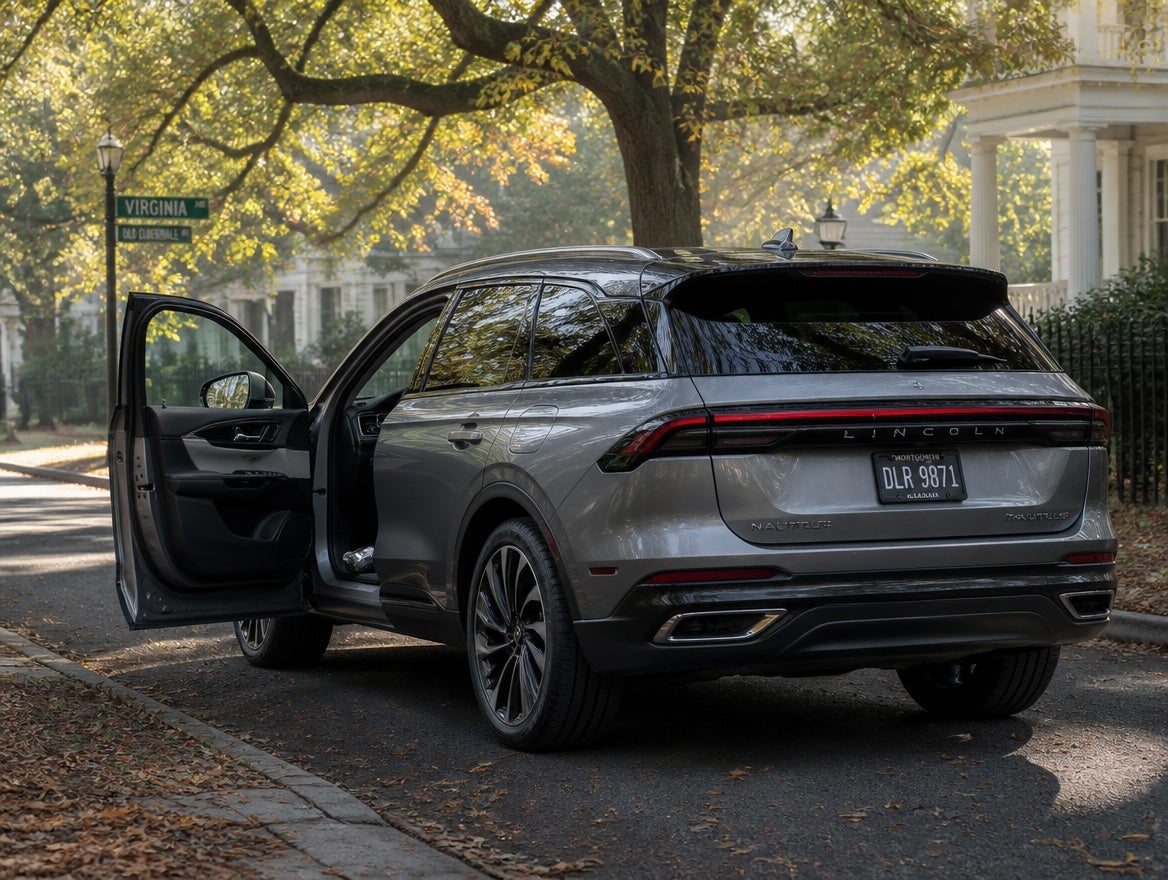
2026 Lincoln Nautilus parked on a shaded Montgomery street in fall morning light with a tire pressure gauge on the door sill

Does Cooler Fall Weather Affect Your Lincoln’s Tire Pressure?

October in Montgomery isn't the sharp-edged autumn you'd feel up in the Appalachians. Our version runs quieter. Afternoons still climb into the upper 70s, but overnight lows slip into the mid-50s, and by late November that gap widens further. A 20-degree diurnal swing is pleasant to drive through, and it's also pulling pressure out of your tires while the cabin cools in the driveway. The physics are simple and the math is worth knowing, because your Lincoln's TPMS light won't tell you there's a problem until things are considerably worse than a little low. Book a tire pressure check with our service team if you'd rather hand it off. If you'd prefer to understand what you're managing and why, read on. The short version For every 10-degree Fahrenheit drop in temperature, tire pressure falls roughly 1 PSI. Montgomery's typical October overnight swing of about 20 degrees means roughly 2 PSI of pressure loss before your morning drive. The TPMS warning light is required by federal regulation to activate at 25% below the manufacturer's recommended pressure. Your tires can be 10 to 20% low with no light showing. Lincoln recommends checking pressure against the placard on the driver's door jamb, not the number printed on the tire sidewall. The two figures are different. Cold-tire readings (before driving or after sitting at least three hours) are the only accurate ones. A gauge reading taken after highway driving reads 4 to 6 PSI high. A brief monthly check with a quality handheld gauge takes less than three minutes and is the only reliable way to stay ahead of the fall PSI creep. What Actually Matters When Choosing How to Monitor Tire Pressure? The decision comes down to whether you trust the TPMS on its own or add a monthly manual gauge habit on top of it, and the specs settle the question cleanly, since the dashboard is built to flag a sudden failure and a handheld gauge is the thing that catches the slow seasonal drift. Here's what the specs say about each. Monitoring method Best for Key spec Honest tradeoff TPMS display (dashboard) Catching a significant, acute pressure loss Activates at 25% below placard per FMVSS 138 Won't alert on 10-20% underinflation; misses the slow seasonal creep entirely Handheld digital gauge Monthly cold-check precision Reads to within 0.5 PSI on quality models Requires a habit; must check before driving or after 3+ hours of sitting Service center check Annual or seasonal verified inspection Calibrated equipment, professional eye on tread and valve stems Costs a trip; not practical for monthly checks Nitrogen fill (optional) Reducing month-to-month permeation loss Nitrogen permeates a bit slower than air Doesn't eliminate temperature-driven pressure change; still needs periodic checks The trouble is that the TPMS works as a catastrophe net, not a maintenance tool. Federal Motor Vehicle Safety Standard 138 sets the activation threshold at 25% below the recommended cold inflation pressure. For a Lincoln Nautilus with a placard spec of 35 PSI, the light comes on around 26 PSI. A tire running at 30 PSI is nearly 15% low. Nothing lights up. Yet that tire is wearing faster, braking on a wider footprint, and returning a little less than its rated fuel economy with every mile. Why the Fall Temperature Swing in Montgomery Is the Variable to Watch Our fall is the transition those physics textbooks describe most clearly, and it matters here because October averages a high near 77 degrees Fahrenheit against an overnight low near 57, a 20-degree spread that translates, at roughly 1 PSI per 10 degrees Fahrenheit, to about 2 PSI lost between a warm afternoon and a cool morning. November tightens the picture. The average high drops to about 65 degrees, with overnight lows approaching 46, and a tire set to 35 PSI on a 75-degree October afternoon sits closer to 31 or 32 PSI on a 45-degree November morning (before you've driven a single mile). Lincoln Nautilus owners should treat the door-jamb placard as the definitive pressure source. The number stamped on the tire sidewall is the tire's maximum structural load pressure, which is something else entirely. Lincoln Aviator configurations vary by trim and wheel size. The Reserve, Grand Touring, and Black Label each carry different tire dimensions, so Lincoln's specified target shifts accordingly. The placard is the reference that fits your specific build. Tip: Check pressure in the morning before the car has moved, or after it's sat for at least three hours. A tire driven for 30 minutes on a warm afternoon reads 4 to 6 PSI above its true cold pressure, which makes the number useless for maintenance. FuelEconomy.gov, the joint DOE and EPA consumer resource, estimates that each 1 PSI drop across all four tires reduces fuel economy by approximately 0.2%, meaning a 3 PSI seasonal shortfall costs roughly 0.6% on every tank. Match the Right Check Interval to How You Drive We see something consistent on our service drive through the fall, where a vehicle in for routine work will often show 3 to 5 PSI below placard across all four tires with the TPMS lights off on every one of them. The pressure loss is genuine and measurable, yet it arrives gradually enough that the federal threshold never trips. Fall creates that gap without ever tripping a light. How often should you actually check? Once a month with a quality handheld gauge handles it cleanly, since tires also lose roughly 1 to 2 PSI per month through natural permeation independent of temperature, so fall stacks two separate sources of pressure loss that compound over the quarter. For Lincoln Navigator owners, the geometry sits a little differently. The Navigator's recommended placard pressure runs toward the upper 30s, and the vehicle's greater weight makes sustained underinflation harder on tread wear and rolling resistance. Navigator L owners should note that the rear tire spec occasionally differs from the front when the vehicle is configured for maximum passenger or cargo load. The door-jamb placard accounts for your specific build. A shop reading won't. One thing is worth stating plainly, and it comes down to timing. Adding air on a cold morning to reach the correct placard number is right. Add it on a warm afternoon to that same target, though, and the tires will be slightly over-inflated by morning. Neither scenario is a crisis, but morning cold checks remove the variable and give you the number that reflects your tire's condition. FAQ Will my TPMS light tell me when fall weather drops my tire pressure? Not reliably. Per FMVSS 138, the TPMS warning is required to activate when pressure is 25% or more below the manufacturer's recommended cold inflation pressure. For a 35 PSI specification, that means the light comes on at roughly 26 PSI or lower. Montgomery's typical fall temperature swing of 20 degrees overnight pulls approximately 2 PSI from tires at the standard rate of 1 PSI per 10 degrees Fahrenheit. That is enough to move a properly inflated tire from 35 PSI to 33 PSI, which is well above the alert threshold. The TPMS light may never illuminate even as the pressure drifts into the range where tread wear and fuel economy are being affected. A monthly cold check with a handheld gauge is the only way to catch it. Where do I find the correct tire pressure for my specific Lincoln? The authoritative source is the tire information placard on the driver's door jamb. Open the driver's door and look for the sticker on the door frame or door edge. It lists the recommended cold inflation pressure for your vehicle's specific wheel and tire configuration. Do not use the number embossed on the tire sidewall, which indicates the tire's maximum structural pressure and is a higher, different figure. Lincoln's lineup carries different specifications across models and trim levels, so the door-jamb placard is always the right reference for your particular vehicle. Schedule a Tire Pressure Inspection Stivers Lincoln of Montgomery 4000 Eastern Blvd, Montgomery, AL 36116 (334) 647-6905

Are Lincolns Reliable?

Are Lincolns Reliable? Uncover Surprising Insights

The prestigious Lincoln brand has a longstanding reputation for producing high-performance vehicles that stand out in the luxury car market. But are Lincolns reliable? This is a common question among potential buyers. Our team at Stivers Lincoln in Montgomery, Alabama, compiled this guide, including expert insights, customer experiences, and Lincoln reliability ratings, to help you make an informed decision when considering one of these elegant Lincoln models. New Lincoln Inventory UsedLincoln Inventory Get Financing Online Call Us Today Lincoln's Reliability: Comprehensive Analysis for Montgomery Drivers Lincoln's reliability ratings are a mixed bag. The automaker received a rating of three out of five from RepairPal, ranking 24th out of 32 car brands. While Lincoln models such as the MKZ have earned high marks in specific segments, including the compact premium car category, the overall reliability of Lincoln vehicles is considered below average. However, Lincoln has performed well in several J.D. Power studies, indicating the dependability of certain models. Common Problems With Lincoln Vehicles Despite being exceptionally well crafted, Lincoln vehicles can encounter common issues. These issues include: Are Air Suspension Leaks on Lincoln Vehicles a Problem? One of the most widely reported issues by Lincoln is leaking air suspension. This can develop over time, and if it does, you may notice excessive sagging, unusual noises, a rough ride, and erratic handling. Regular inspection and replacement of suspension components are key to maintaining a smooth driving experience. Do Lincoln Vehicles Have Coolant Leak Issues Coolant leaks are a common issue for Lincoln owners. These can cause overheating and engine problems, so if you see coolant pooling under your vehicle or notice a drop in coolant levels, get it checked promptly. Regular maintenance can help catch these issues early and avoid costly repairs. Issues Related to Takata Airbag Recalls The Takata airbag recall affected numerous manufacturers, including Lincoln. Several of the brand's models were fitted with these potentially defective airbags, which could explode when deployed, causing serious injury or death. Lincoln responded to this issue by notifying all owners of vehicles affected by the recall and offering solutions. Do Lincoln Vehicles Have Engine Problems? Engine issues may arise in certain Lincoln models. These issues range from minor performance hiccups to more severe concerns, such as oil leaks or engine misfires. For instance, the 2015-2016 Lincoln MKC models were particularly prone to these issues, resulting in a recall to address the overheating engine blocks. Factors Contributing to Lincoln's Reliability Scores Several factors influence the brand's reliability ratings, including the maintenance costs. Understanding them can help you determine whether a Lincoln is a good investment. Lincoln's Long-Term Dependability One factor that contributes positively to Lincoln's car reliability ratings is long-term dependability. Many owners report that Lincolns maintain their performance and comfort without significant issues after years of use. This resilience can be attributed to quality engineering and durable materials. Lincoln Vehicle Safety Features and Ratings Safety is another critical component in determining Lincoln's reliability. Many models come equipped with advanced safety features, including adaptive cruise control, lane-keeping assist, and automatic emergency braking. These features enhance the driving experience and ensure optimal security for you and your passengers. Lincoln vehicles perform well in various crash tests, reflecting the brand's commitment to driver and passenger safety. The 2024 Lincoln Nautilus, for example, earned the Insurance Institute for Highway Safety's Top Safety Pick+ designation for its outstanding performance in crashworthiness tests and advanced safety features, including a good rating for visibility in the headlight test and a superior rating in the vehicle-to-vehicle front crash prevention evaluation. Fuel Efficiency Considerations Fuel efficiency is typically a significant factor for car buyers. While Lincolns may not top the charts in this area, some models offer commendable fuel economy for their class. For instance, the 2025 Lincoln Nautilus Hybrid earns an EPA-estimated 30 mpg combined, better than several competitors. This balance of performance and efficiency complements overall Lincoln reliability, making its vehicles a practical choice. Is a Lincoln Vehicle Expensive To Maintain? According to J.D. Power, Lincoln vehicles may be relatively expensive to maintain, with an average annual maintenance cost of $879. That's higher than the industry average of $646. There's a 30.46% chance that a Lincoln will need a major repair within its first 10 years. The Most and Least Reliable Lincoln Models While Lincoln's reliability ratings vary depending on the model year, some vehicles fare better than others. Most Reliable Lincoln Models Models with a reputation for reliability include the following: 2020 Lincoln Navigator: The 2020 Lincoln Navigator shines as one of the most dependable Lincoln rides out there, earning a solid reliability score of 84 out of 100 from J.D. Power. It's got a powerful 450-horsepower engine and a 10-speed transmission, making it both strong and smooth on the road. Plus, with advanced safety features like the Lincoln Co-Pilot360 and a super comfy, stylish interior, it's no wonder owners are so satisfied with it. 2019 Lincoln MKZ: This vehicle boasts a predicted reliability score of 3.5 out of 5 from U.S. News and an impressive 89 out of 100 from J.D. Power. Owners appreciate its comfortable ride, advanced safety features, and minimal reported issues, making it a dependable choice in the luxury sedan market. 2017 and 2018 Lincoln Continental: Both model years received an above-average predicted reliability rating of 4 out of 5 from J.D. Power. These vehicles come with luxurious interiors with 30-way power-adjustable, heated, and ventilated front seats that really keep you cozy. Least Reliable Lincoln Models These models are less dependable: 2016 Lincoln MKX: This model year is known for engine shutdown issues due to a faulty throttle body, which can cause unexpected engine stalling. It also experienced significant airbag system problems with faulty inflators and had electrical issues like short circuits and wiring problems, affecting its reliability. 2018 Lincoln Navigator: This model year has been reported to have issues with its transmission, including rough shifting and occasional transmission failure. Owners have also experienced problems with the vehicle's electrical system, such as malfunctioning infotainment screens and faulty sensors 2020 Lincoln Aviator: The 2020 Aviator has faced numerous reliability concerns, particularly with its hybrid powertrain. Owners have reported frequent issues with the vehicle's battery and charging system, leading to unexpected power losses. We'll Help You Find The Best Reliable Lincoln Vehicle at Stivers Lincoln Today The reliability of Lincoln's vehicles varies depending on the specific model and the owner's experience. By considering expert insights, customer reviews, and common issues, you can make a well-informed decision. If you're in the market for a Lincoln or want to learn more about our selection, Contact or Call Us and visit our Stivers Lincoln dealership in Montgomery, Alabama. We're here to help you find the perfect luxury Lincoln vehicle for your lifestyle. Image Credit OEM

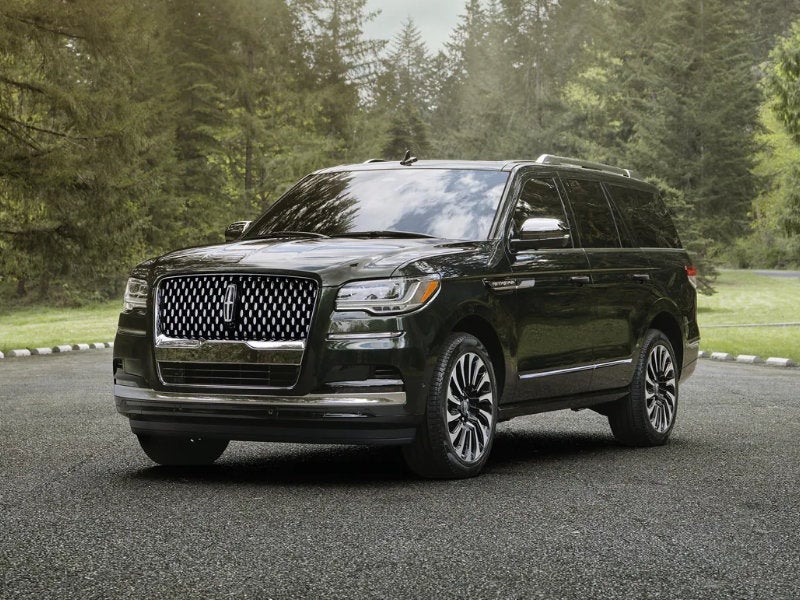
2024 Lincoln Navigator

Lincoln Navigator Reliability and Driver Ratings

For more than 25 years, the Lincoln Navigator has delivered luxury and potent towing power in a full-size SUV. The 2025 Lincoln Navigator appeals to discerning Montgomery, Alabama, drivers who seek a dependable vehicle with premium features. Our Stivers Lincoln of Montgomery team put together the following Lincoln Navigator reliability and driver ratings guide to help you learn more about this Lincoln SUV. Lincoln Navigator Reliability Rating Breakdown RepairPal classifies the Lincoln Navigator reliability rating as 2.5 out of 5, ranking the vehicle fifth out of 19 among luxury full-size SUVs. This rating suggests that the Lincoln Navigator's reliability is average compared to similar luxury full-size SUVs. While the 2.5 out of 5 rating suggests that the Lincoln Navigator has a higher-than-average frequency of repairs, the vehicle still performs better than many other luxury SUVs in dependability. Compared to competitors in its class, such as the BMW X7, Cadillac Escalade, and Mercedes-Benz GLS, the Lincoln Navigator's reliability rating is in the middle range. While some competitors' vehicles may have better or poorer reliability scores, the Lincoln Navigator is a relatively reliable choice for a luxury full-size SUV. Engine, Transmission, and Performance The 2025 Lincoln Navigator has one powertrain option: a twin-turbocharged 3.5-liter V-6 engine. Capable of producing 440 horsepower and 510 lb-ft of torque, the Lincoln Navigator offers a 10-speed automatic transmission that enables drivers to shift through gears adeptly. In performance tests, the Lincoln Navigator made it to 60 mph in 5.3 seconds, according to Car and Driver reports. Although the vehicle does not contain a V-8 engine, it produces a respectable 16 mpg city and 22 mpg highway. Drivers will appreciate how the Lincoln Navigator engines produced by the automaker provide five distinct drive modes and an adaptive suspension to create a dynamic driving experience. The 2025 Lincoln Navigator delivers standard four-wheel drive and can tow loads of up to 8,700 pounds when properly equipped with the Heavy-Duty Trailer Tow Package. This towing package adds features such as Smart Trailer Tow, Trailer Brake Controller, Trailer Sway Control, and an additional Lincoln Drive mode, Slow Climb, which helps avoid engine overheating when ascending a steep grade. Safety and Driver-Assistance Features The 2025 Lincoln Navigator features the innovative hands-free highway-driving technology BlueCruise as standard. Limited to prequalified sections of divided highways known as Hands-Free Blue Zones, Lincoln BlueCruise allows you to confidently operate your vehicle hands-free on more than 130,000 miles of North American roads. Lincoln BlueCruise offers Lane Change Assist, which enables drivers to switch lanes hands-free simply by tapping the turn signal. In-lane repositioning subtly moves the vehicle away from vehicles in adjacent lanes on the highway to provide more room. Additional enhancements include greater overall stability within the driving lane and smoother handling of curves. Consumer Reports has named Lincoln BlueCruise, available on all Lincoln models, the top-rated assisted-driving system. The technology received its highest ratings for safety and performance. Additionally, the Lincoln Navigator offers the Co-Pilot360 suite of driver-assistance technology. This suite includes standard features such as the following: Adaptive cruise control with hands-free highway driving mode. Automated emergency braking with pedestrian detection. Blind-spot monitoring and rear cross-traffic alert. Interior, Comfort, and Cargo The Lincoln Navigator's interior is replete with luxury features designed to pamper you and your passengers during your travels. The 24-way power-adjustable driver's seat in the Lincoln Navigator Reserve trim offers extraordinary comfort you can customize. You and your front-seat passenger also benefit from heated, massaging, and ventilated cushions, a signature feature of Lincoln's flagship SUV. Third-row passengers will find plenty of space to spread out thanks to the 40/20/40 split-folding bench seat. A 48-inch dash-spanning screen creates an easy-to-read experience for the infotainment system's displays. Wireless Apple CarPlay and Android Auto are standard. A 28-speaker Revel Ultima 3-D sound system is a treat in itself, especially when paired with the vehicle's Rejuvenate relaxation mode. The grandeur of the Lincoln Navigator's size makes owning one a blessing when you need to pack up the vehicle for vacation. Although short-wheelbase models of the Lincoln Navigator have limited cargo space when all three rows of seating are in use, the space opens up when you stow the third-row seat. Long-wheelbase Navigator L models are the best for maximizing available cargo space. Is a Lincoln Navigator a Reliable Car? Drivers who may want to purchase this vehicle may ask, "Is a Lincoln Navigator a good car to own?" or "Are Lincoln Navigators reliable?" The Lincoln Navigator is known for its durability and longevity potential, especially when well-maintained. Copilot says, "For a large luxury SUV, the Navigator has a promising potential for longevity, up to 200,000 miles with proper care, usage, and maintenance." Proper maintenance, such as regular oil changes, tire rotations, and prompt repairs of any issues, can extend the Lincoln Navigator's life span. Is the Lincoln Navigator a Good Luxury Car? If you're attracted to the Lincoln Navigator's distinctive blend of luxury and capability, then this vehicle could be a good choice for you. Its powerful engine, generously appointed cabin, and advanced technology features make it a viable option for luxury SUV owners. Lincoln Navigator Reviews Consumer Reports and J.D. Power, two well-respected sources for vehicle evaluations, have yet to release reliability ratings for the 2025 Lincoln Navigator. Car and Driver found the 2025 Lincoln Navigator to be "formidable in size and thirst," noting the vehicle's blend of luxury and modern technology. MotorTrend observes that the Lincoln Navigator's BlueCruise hands-free highway driving technology is "one of the best on the market." Edmunds summarized its Lincoln Navigator review by saying, "At first acquaintance, the 2025 model is a thorough and convincing overhaul of a popular vehicle." Contact Stivers Lincoln of Montgomery for More Lincoln Navigator Reliability Information The 2025 Lincoln Navigator appeals to sophisticated drivers who desire a reliable vehicle with luxury elements. If you're looking for a pre-owned Lincoln Navigator or a new Lincoln Navigator, visit our Stivers Lincoln of Montgomery dealership today at 4000 Eastern Blvd. in Montgomery, Alabama. Call us at 334-777-6998 or send us a message online. Discover why our team is fully committed to serving all your automotive needs and helping you get behind the wheel of your next Lincoln car or SUV. Images By OEM