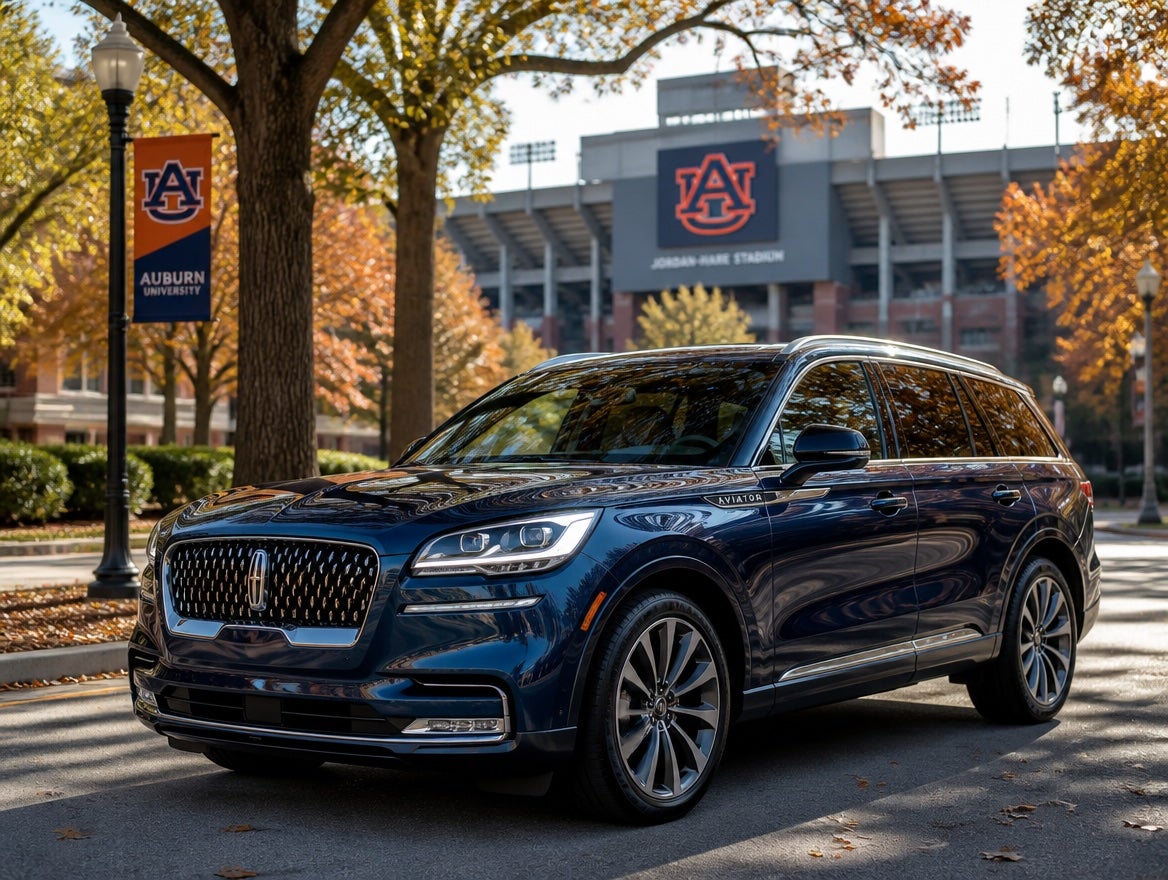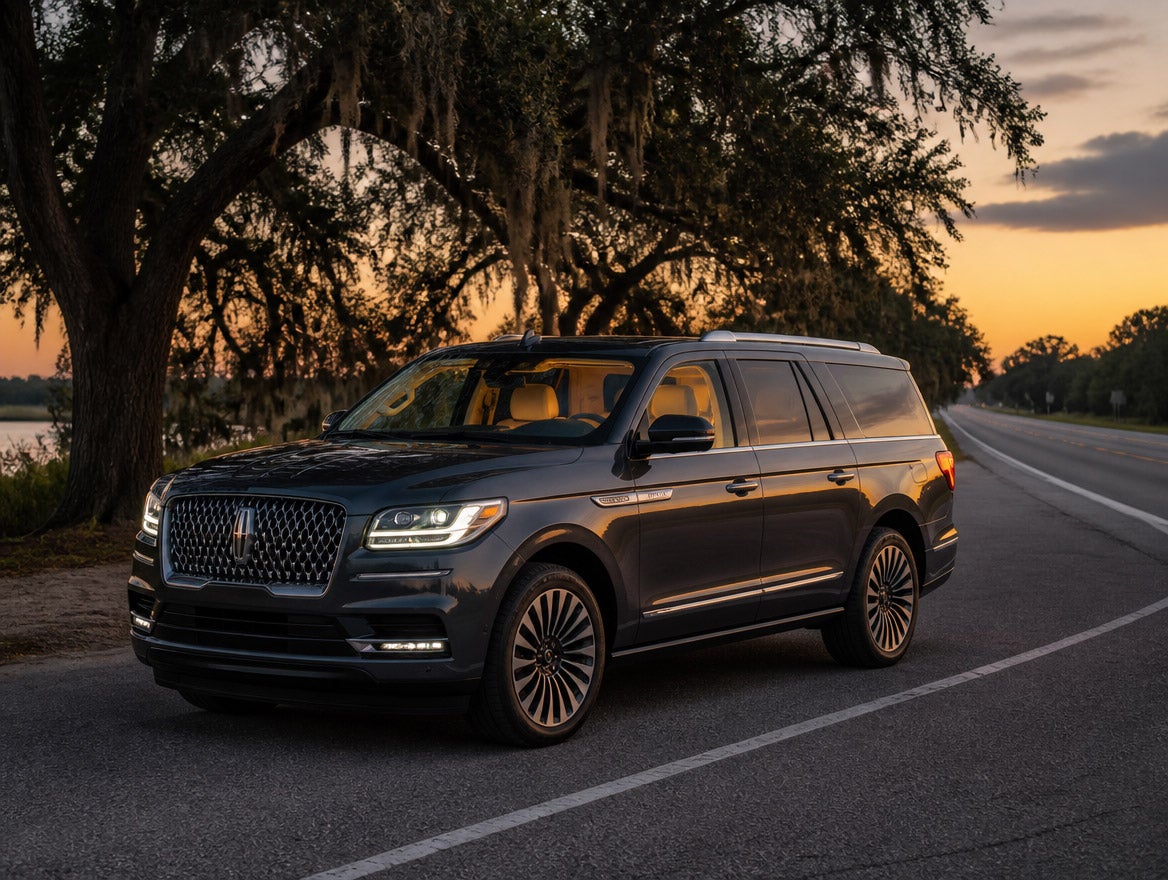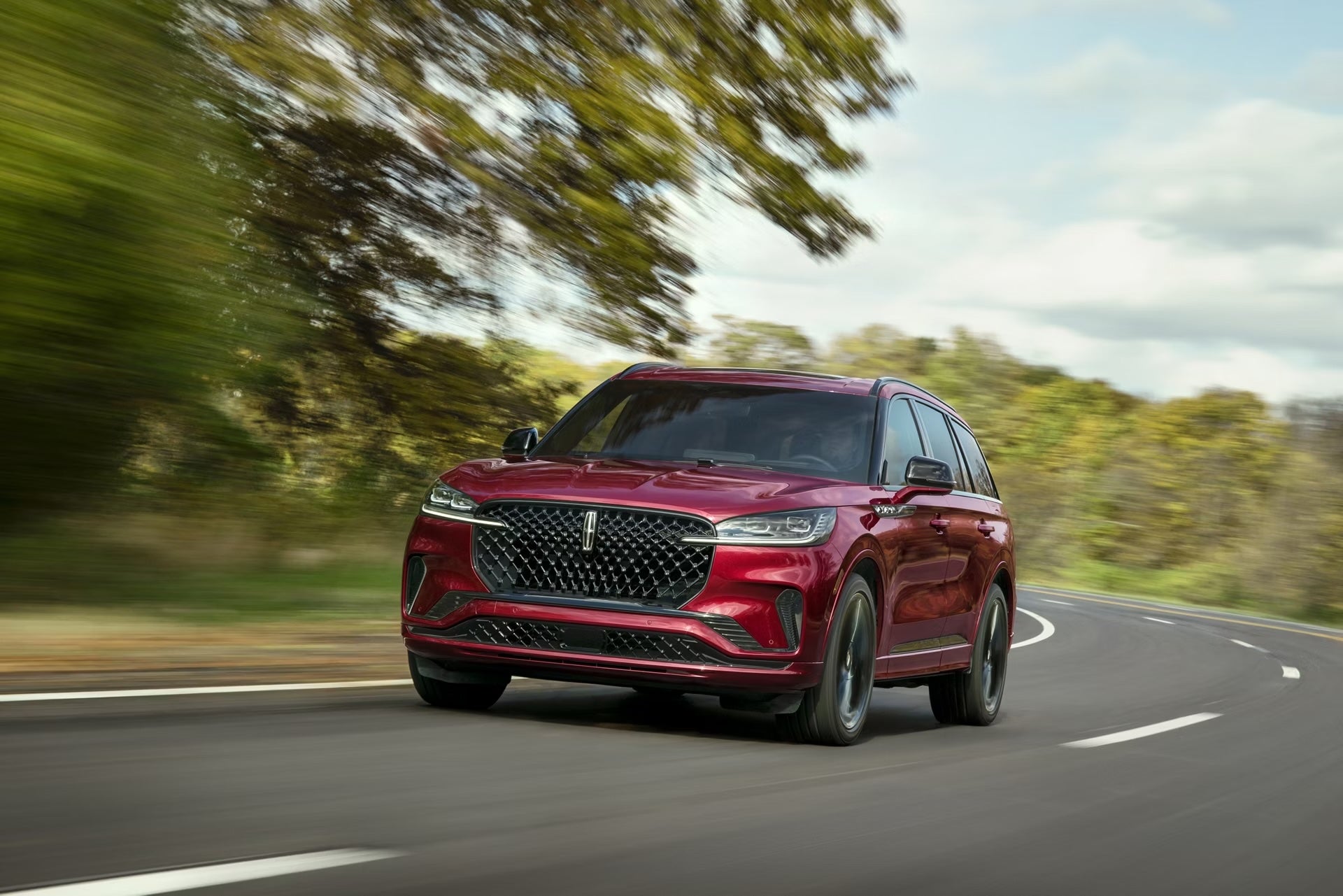


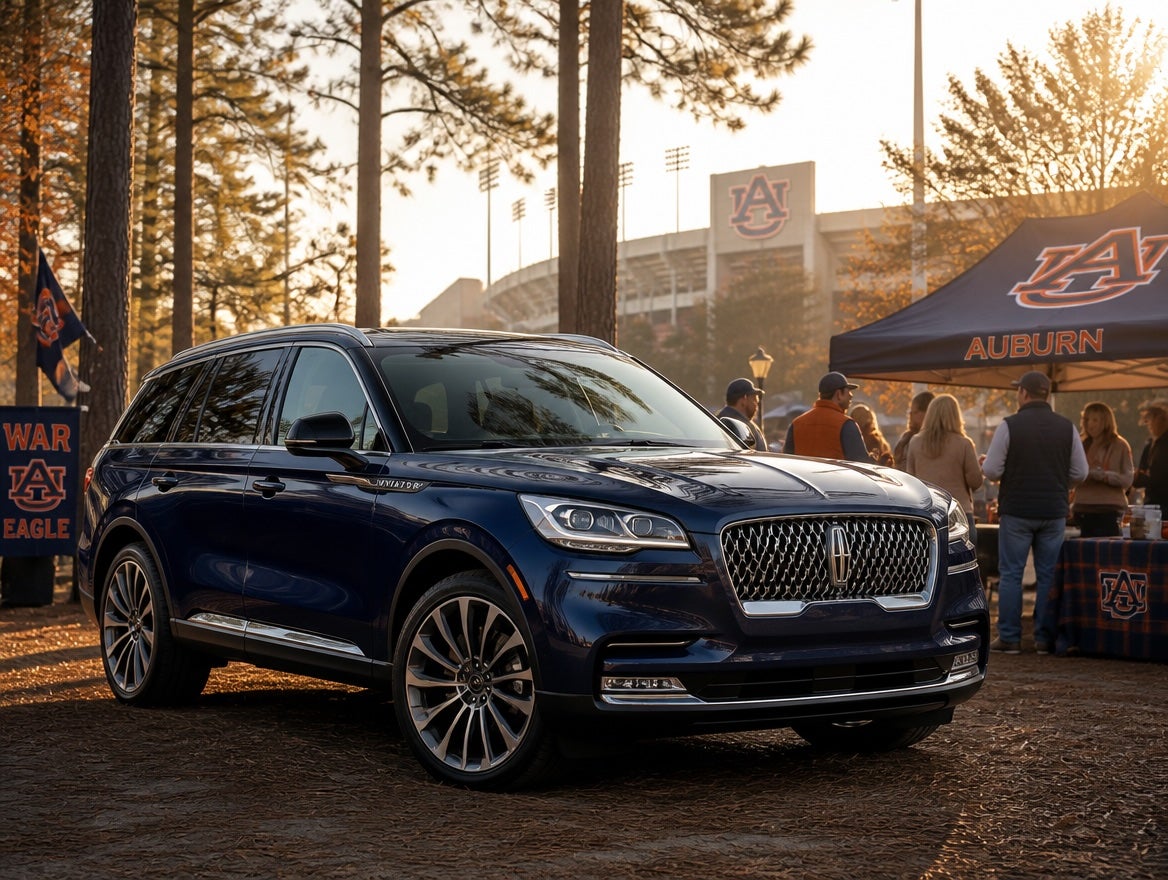
The drive from Montgomery on an Auburn game day runs only about 54 miles. Fifty-four miles that can swell into a two-hour slog if you leave at the wrong time and wing the return with no plan. We've watched it play out from the lot on Eastern Boulevard, since folks stop in the day after a night game looking more worn down than when they left. So here's the plan we'd give a friend, a time-anchored four-stop itinerary that leans on what your 2026 Lincoln Aviator or Navigator does well on a divided-highway run in early-November Alabama.
The route is I-85 North the whole way. No shortcuts, no back roads on game day. The plan lives in the timing.
What Does the Route Actually Look Like?
The route below is the skeleton of the day, and it holds up because every stop is real and every drive time is a normal-traffic baseline, with the game-day minutes folded into the timing notes rather than the raw figures. Read it once before you load, and you'll leave nothing to chance.
| Stop | Depart | Drive Time | What You're Doing | What to Have Ready |
|---|---|---|---|---|
| Eastern Blvd, Montgomery | 9:00 AM | Start here | Load up, climate set | Cooler, stadium bag, BlueCruise on |
| Eastchase area (fuel/coffee) | 9:15 AM | ~15 min | Last fuel stop before Auburn | Top off the tank |
| Auburn tailgate zone | 10:00 AM | ~45 min | Arrive pre-crowd, park early | Parking pass, chairs, cooler |
| Post-game hold (Auburn) | ~4:30 PM | After final whistle | Wait out the Exit 51 backup | Snacks, chargers, rear climate |
| Montgomery (home) | ~6:00 PM | ~55 min | I-85 clears fast once it moves | Nothing left to do |
That 9:00 AM departure is not arbitrary. I-85 sees a major spike in traffic before and after kickoff, with fans traveling from Montgomery and beyond flooding the exits and creating backups at key interchanges. Getting into Auburn by 10:00 AM means you're settled before that wave builds. The post-game hold (Stop 4) is the move most people refuse to make and then regret.
The Four Stops, In Order
Stop 1: Eastern Boulevard, Montgomery - Load and Leave by 9:00 AM
Start cold, because Alabama in November is starting to turn cool. Your Lincoln knows it. Before anyone climbs in, set the cabin temperature and run the ventilated or heated seats so the leather sits at the right temperature by the time you reach the ramp. Call it a detail rather than a luxury quirk, the thing that makes a 7:00 PM kickoff trip feel different from the same drive in a lesser cabin.
A team observation is worth sharing here. The I-85 on-ramp from the east side of Montgomery behaves differently than it looks on a map. Give yourself the full 9:00 AM departure window, not 9:15.
The 2026 Navigator seats up to eight. If your crew fills it, the rear-zone climate control matters as much as the front settings on a November morning.
Schedule a Pre-Trip Service Check
Stop 2: Eastchase Area - Fuel and Coffee, Around 9:15 AM
We build this stop in rather than leaving it to chance, because fuel stations near Exit 51 in Auburn get genuinely congested on game day, and you don't want to be circling for a pump with a full load of passengers and a parking clock ticking. Fuel stations are abundant near the I-85 exits around Opelika, but Eastchase on the Montgomery end is faster and calmer at 9:15 AM than anything east of Shorter.
Top off here even if you don't strictly need to. Those 15 minutes you're glad you spent.
Stop 3: Auburn Tailgate Zone - Target Arrival by 10:00 AM
Exit 51 onto South College Street is the main interchange for downtown Auburn and the university, and the first place game-day traffic backs up. Arriving before 10:00 AM puts you ahead of the main wave.
Each game-day parking pass issued through Auburn University now includes a QR code with a map and prescribed route from each parking area to either Interstate 85 or Highway 280. Download that route before you leave Montgomery. Entering it into the Lincoln's navigation system before you pull off I-85 means you're not fumbling with directions on South College Street when traffic is dense and the pavement is narrow.
The 2026 Aviator's twin-turbocharged 3.0-liter V6 produces 383 horsepower according to Lincoln, but the spec that matters here is not the horsepower number. What matters is that the powertrain runs quietly enough that passengers in the third row can hold a conversation at highway speed without raising their voices. The 2026 Lincoln Aviator carries NHTSA 5-Star Crash Safety Ratings (for the 2025 model), and the structural build that earns those ratings is the same mass that gives the cabin its low road noise.
Stop 4: The Post-Game Hold - 4:30 PM Until the Road Clears
Stop 4 is where the itinerary earns its keep, so do not leave immediately after the final whistle. Sit tight.
A home game brings tens of thousands to a college town, and the city runs an involved post-game one-way scheme to clear them. That scheme takes time. The I-85 on-ramp backs up from Exit 51 down into the interchange for 30 to 45 minutes after a sold-out game. Sitting in that queue with a full cabin in November can costs you more time than simply waiting it out in a parking area.
The Lincoln is built for exactly this kind of wait, so rear passengers stay comfortable, the panoramic display keeps everyone connected, and no one is climbing over each other. Unhurried by design, it's a fair test the parking lot happens to provide.
For families with children, the Aviator's third row carries its own climate zone. Call it more than a footnote. What it does is make the hold tolerable.
- [ ] Set rear climate to a lower temperature 10 minutes before departure
- [ ] Confirm fuel level (you topped off at Stop 2, so you're fine)
- [ ] Check ALGO Traffic or Waze for real-time Exit 51 conditions before pulling out
- [ ] Navigate to I-85 South using the saved route rather than recalculating in traffic
- [ ] Distribute any remaining snacks or drinks before the on-ramp
Tweak It to Your Crew
Not every crew runs four people and a cooler, so the plan flexes with your configuration, whether you're hauling a full family with stadium gear or making the run two-up with fuel economy on your mind. The vehicle you pick changes which part of the itinerary gets easier.
If you're bringing the full family (seven or eight passengers), the Navigator L is the vehicle that makes the itinerary work without compromise. The Navigator can seat eight people and, in extended wheelbase form, has a cargo capacity of 121.6 cubic feet behind the first row. That means the stadium gear, the cooler, and the folding chairs fit without a cargo carrier on the roof.
If it's two of you and fuel economy is on your mind, the Nautilus hybrid is worth knowing about. Lincoln's official figures put the Nautilus hybrid at an EPA-estimated 30 combined MPG with 285 combined horsepower. A 110-mile round trip in September heat is a perfectly reasonable use case for that powertrain.
For any vehicle in the lineup, BlueCruise is the feature that changes what the I-85 run feels like. Lincoln BlueCruise operates on 97% of controlled-access highways across the U.S. and Canada. I-85 between Montgomery and Auburn is a divided controlled-access interstate. On qualifying sections, BlueCruise manages acceleration, braking, and lane centering while a driver-facing camera confirms your attention stays on the road. It's a driver-assistance aid, not an autonomous system. Your hands come off the wheel; your eyes and judgment do not. But on a 54-mile freeway run with steady traffic, that distinction matters less than the drop in fatigue it delivers on the return trip.
One honest tradeoff is worth naming. A sold-out Auburn home game draws a crowd that can blow this schedule apart. The itinerary above is built on normal-traffic baselines. A night game, a rivalry matchup, or a major ESPN broadcast can push all of those times 20 to 30 minutes in either direction. The Lincoln holds its composure in stopped traffic better than most. The itinerary is the plan. Composure is the fallback.