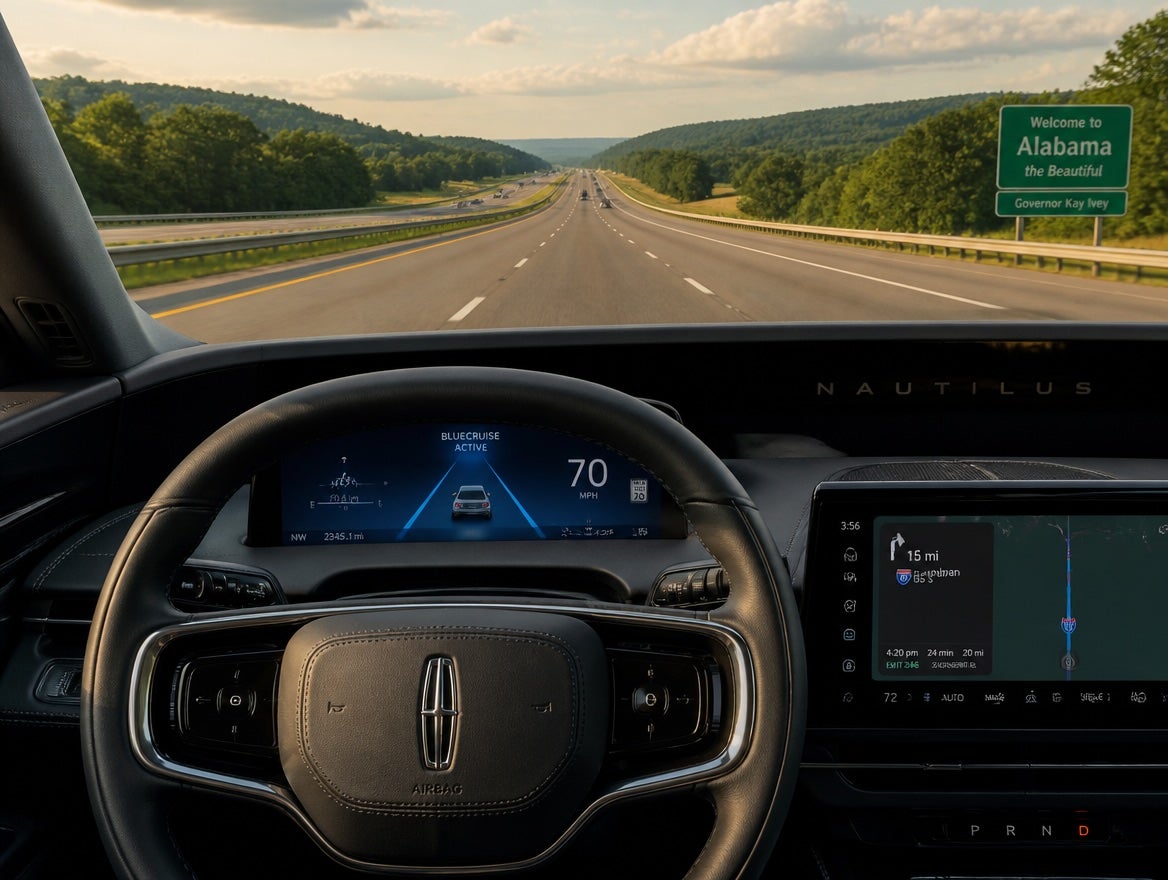


The number that matters most in your next Lincoln purchase is the appraisal on the vehicle you're bringing in. A window sticker gets the attention. The trade-in figure quietly decides more of the deal.
A buyer who checks a single online estimate often arrives feeling vaguely uncertain about whether the figure holds up. What we watch at appraisal is simpler than it sounds. The gap between what a vehicle could earn and what it does earn comes down to one thing: preparation. Not negotiating tactics. Not timing tricks. A small set of documents and a clear-eyed condition assessment, done before you pull onto Eastern Boulevard, is the whole of it.
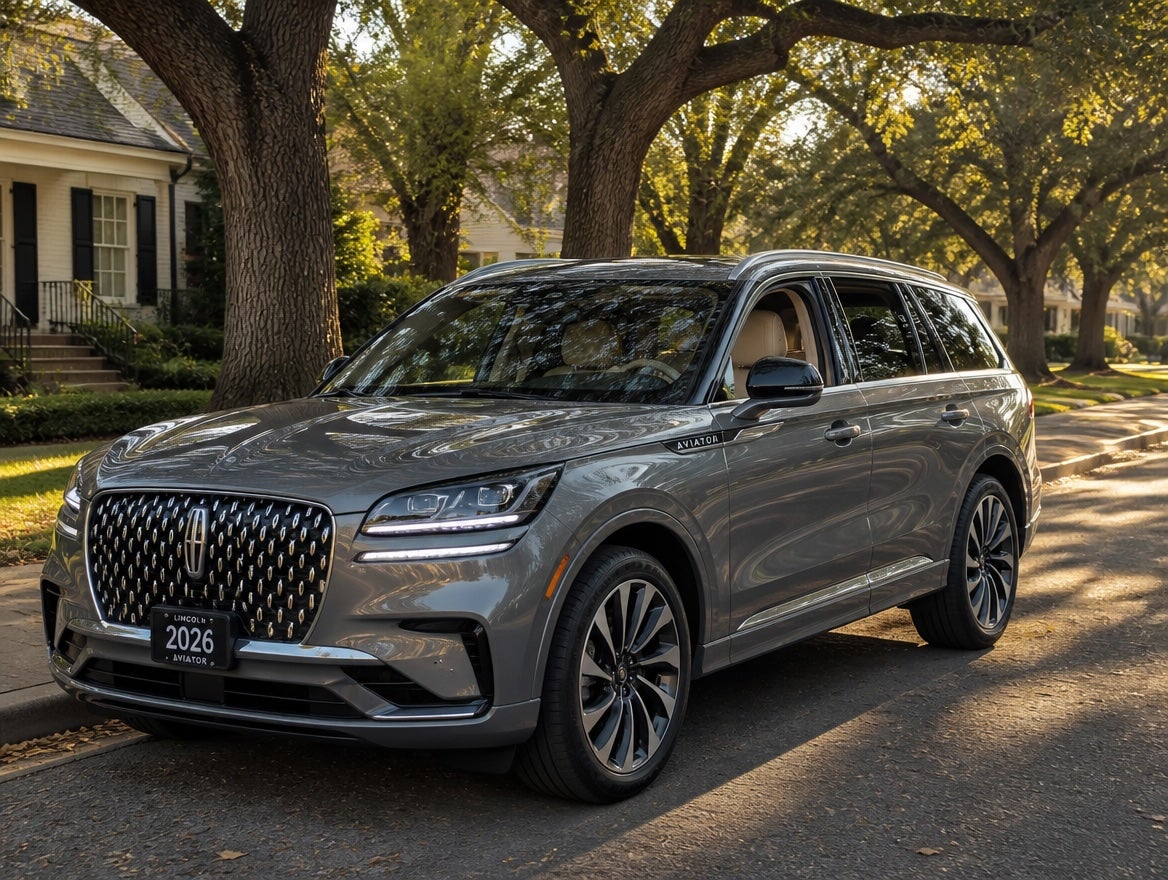
This guide walks through exactly what our appraisers look at, what you can do at home to support the strongest offer, and one Alabama-specific financial reality that makes a dealer trade genuinely different from a private sale. If you're considering a 2026 Lincoln Aviator, a Nautilus, or a Navigator as your next vehicle, what follows will make the conversation on our lot a great deal more composed.
What Does "Trade-In Value" Actually Mean at Each Preparation Level?
Trade-in value is less a single figure than a range, and where your vehicle lands inside it depends almost entirely on how much of its story you can document, since a thin file pushes the appraiser toward caution while a complete one gives them room to climb. The jump between those two outcomes is mostly paperwork.
Our appraiser starts from the same foundation every dealership uses. Year, make, model, and trim. Mileage, condition, and what comparable vehicles are selling for in this market right now. That last input matters more than many owners expect, since local resale demand sets what a dealer can reasonably offer and an appraisal is, in the end, an estimate of what the vehicle brings when it's resold. Read the three levels below as descriptions of what your preparation communicates to the person writing the offer, rather than negotiating tiers.
| Preparation Level | What You Bring | What the Appraiser Can Do |
|---|---|---|
| Minimal (estimate only) | One online estimate, vehicle as-is | Must assume conservative condition; applies floor value to unknown variables |
| Solid (documented + clean) | Service records, clean title, basic detail, no warning lights | Can move toward mid-to-upper range; uncertainty is reduced |
| Complete (full file) | Records, payoff statement, recent multi-source estimates, minor issues addressed | Has documented evidence to justify a stronger offer; reconditioning risk is visible and lower |
The jump from minimal to solid is where most of the value sits. Paper helps. Closing that gap doesn't take a professional detail or expensive repairs, only records and a vacuum.
Service records are the single most consequential document you can bring. Industry data consistently shows that documented maintenance history supports a meaningfully higher appraisal offer, because it reduces the reconditioning risk the appraiser has to price into their number. A vehicle without records gets treated conservatively by default, since there's no way to rule out neglect. An unbroken chain of oil changes and scheduled services removes that assumption. On a luxury vehicle, where maintenance intervals and component costs run higher, that paper trail carries even more weight.
See what trades are currently available on our lot
Retention, Condition, and the Factors That Actually Move the Number
Condition and history move the number more than any online tool can capture, because a walk-around reads what a self-reported form never sees, from the wear on a driver's bolster to a warning light the owner stopped noticing months ago. The spec sheet sets the frame. The physical car fills it in.
Mileage relative to age tells only half the story. Lower mileage supports value, but it's the pairing with condition that carries. A lower-mileage vehicle with interior wear, warning lights, or an unclear history doesn't perform like a lower-mileage vehicle in clean, documented shape. The two inputs work together.
Title and accident history follow a car forever. A reported accident on a vehicle history report reduces appraisal value even when repairs were done correctly, because the next buyer's appraiser will see it too, and that cost is priced in at every step. A clean title with no reported incidents is a concrete asset. Know what your history report shows before you arrive rather than after.
Condition deserves a candid, clear-eyed look. The cabin is the first thing our team notices on a luxury vehicle, because it's what the next buyer will notice. Persistent odors, worn leather bolsters, a cracked panel, or dashboard warning lights each carry a reconditioning cost that comes directly off the offer. Addressing small interior issues at home costs little. Leaving them for the appraiser to price costs more.
Aftermarket modifications rarely pay you back. Non-factory changes seldom add value at trade-in and sometimes reduce it, because they narrow the resale audience and introduce unknown installation quality.
Explore the 2026 Lincoln Navigator if you're ready to step into the full-size lineup, or consider the Nautilus if a two-row footprint fits your day better.
Pros and Cons of Trading In vs. Selling Privately
| Pros of Trading at the Dealer | Cons of Trading at the Dealer |
|---|---|
| Alabama taxes only the net difference under Code 40-23-103, so a substantial trade directly reduces your taxable purchase amount | Trade-in offers run below private-party values, because the dealer carries reconditioning and resale risk |
| Transaction handled in one visit; title, payoff, and paperwork managed by our team | Online estimates may set expectations above what an in-person appraisal delivers |
| Clean, immediate credit toward your next vehicle | A private buyer may pay more if your vehicle is in strong condition and demand is high |
| No staging, showing, or negotiating with individual buyers | Private sale proceeds are yours outright, without the bundled nature of a dealer transaction |
The Alabama tax advantage is worth understanding clearly. Under Alabama Code 40-23-103, when you trade a vehicle at a licensed dealership, the state calculates privilege tax on the net difference between the new vehicle and your trade-in allowance, not on the full purchase price. That reduction can be meaningful on a luxury transaction. A private sale offers no equivalent credit, so you'll pay full tax on whatever you purchase separately. Whether the tax benefit outweighs the likely difference between trade and private-sale value depends on your specific vehicle, your payoff situation, and current market conditions. Running that math is worth it.
Arriving Prepared. What a Composed Visit Actually Looks Like
A composed visit looks like a buyer who already knows their payoff figure, carries their service records, and has walked their own vehicle with clear eyes, which puts them in a very different conversation from someone who skipped those steps. Preparation won't win you an argument; it gives the appraiser documented reasons to move toward the stronger end of the range instead of the conservative floor.
Our showroom's on Eastern Boulevard in Montgomery. Gather this in the week before your visit.
- Pull two or three baseline estimates from independent online tools, using your exact VIN, mileage, and a candid condition selection. These give you a reference range to work from.
- Collect your service records. Dealer service history, independent shop receipts, oil change records, whatever you have. Digital records from an authorized service center are fully valid.
- Request your payoff statement. If you still have an outstanding loan, call your lender for the current payoff amount.
- Walk around the vehicle yourself. Exterior paint and glass, interior surfaces and odors, all four tires, and a quick look for any dashboard warning lights. Address what you reasonably can, and leave the rest visible.
- Confirm your title or registration. Check that the title is clean. If there are liens or title questions, surfacing them before arrival keeps the transaction moving.
Our team will tell you this plainly. Don't arrive having kept the trade-in a secret until after you've negotiated the new vehicle. Disclosing your trade early lets both sides of the deal be reviewed together, which is more transparent and more efficient for everyone involved. Our online trade tool gives you a starting estimate before you make the drive.
Arriving prepared keeps the visit calm and quick. You show up as the kind of client our team can work with openly and efficiently, which is precisely the Stivers Lincoln experience we're here to provide.
Frequently Asked Questions
What is the difference between my online trade-in estimate and the in-person appraisal offer?
Online estimates use your self-reported mileage, condition, and trim to produce a range. Our in-person appraisal adds a physical walk-around, a vehicle history report, and current local resale demand data for your specific vehicle. The estimate's a useful reference point, and the appraisal is the actual offer. Gaps tend to show up when the online condition selection was optimistic, when the history report turns up an unreported incident, or when local demand for your vehicle's segment runs different from national averages. Coming in with candid condition notes and your service records closes much of that gap before it opens.
Does Alabama's trade-in tax credit apply when I trade at Stivers Lincoln?
Yes, it does. Under Alabama Code 40-23-103, when you trade a vehicle at a licensed dealership as part of the same transaction, the state privilege tax is calculated on the net difference between the vehicle you're purchasing and the trade-in allowance, not on the full purchase amount. That credit applies at the dealership and doesn't carry over to a separate private-party transaction. If you sell your vehicle privately and then purchase separately, you'll pay full tax on the purchase. Consulting a tax professional for your situation is always worthwhile, and the structure of the credit is a documented, consistent feature of Alabama vehicle tax law.