Blog

Best Volkswagen Models for Las Cruces Drivers: A Southern New Mexico Buyer Guide

2026 Volkswagen Jetta and Tiguan on a Las Cruces area desert highway with the Organ Mountains in the background

The right Volkswagen for Las Cruces isn't the same as the right one for Houston or Denver. Our city sits where I-10 meets I-25, it bakes past 100 degrees every summer, and it's getting hammered by monsoon downpours right now in August. The drive to El Paso runs 45 miles of open interstate. White Sands is under an hour east on US-70. New Mexico State University drops a whole different kind of buyer into the middle of this market. All of that changes which Volkswagen fits you, and we'll work through each one plainly below.

Our top pick for Las Cruces commuters is the 2026 Volkswagen Jetta (and we'll explain exactly why below). Every model here earns its spot for a real, local reason.

By the Sisbarro Volkswagen Team | August 2026

2026 Volkswagen Lineup Ranked for Las Cruces

RankModelBest ForStandout Spec
1JettaI-10 / I-25 commuters, NMSU studentsEPA-est. 40 mpg hwy, regular fuel
2TiguanSmall families, weekend haulers201 hp standard, tows up to 1,800 lbs (properly equipped)
3AtlasLarge families, road-trip rigs3 rows, tows up to 5,000 lbs (properly equipped)
4TaosFirst-time SUV buyers, city driversEPA-est. 28 city / 36 hwy (FWD)
5Golf GTIDriving enthusiasts, canyon runners241 hp, sport-tuned suspension

Rank 1 - The Jetta: Making the I-10 Math Work

The Jetta tops this list because it returns an EPA-estimated 40 mpg on the highway using regular 87-octane, and for anyone running the 45-mile corridor to El Paso most days, that figure decides the cost of the commute rather than sitting as some abstraction, though you'll trade away real cargo room to get it. It adds up across a year of driving.

The 1.5-liter turbocharged engine makes 158 horsepower and 184 pound-feet of torque, so it's no drag racer. On the interstate it merges cleanly and holds highway speed without straining, since the 8-speed automatic keeps the revs low and the tall gearing does the work. The EPA's city rating of 29 mpg holds up fine for stop-and-go campus and city-street driving around Las Cruces.

The honest tradeoff, and we'd say it plainly on our lot, is that the Jetta is a compact sedan with genuinely limited cargo space. Three adults with luggage is the practical ceiling for a comfortable road trip. Load in multiple car seats or a stroller and a weekend's worth of gear and you've outgrown what this car does. But for the solo commuter, the NMSU student, or the household that just needs to keep fuel costs sane on long I-10 runs, the Jetta is the sharpest value in the Volkswagen lineup.

Buying caution: The Jetta's EPA highway rating is 40 mpg across all trims, but the combined rating shifts a little by trim. The base S returns an EPA-estimated 34 mpg combined, while the Sport, SE, and SEL all land at 33 mpg combined. The gap is small, but knowing it keeps you from a surprise when you cross-shop trim by trim.

Explore Financing Options

Rank 2 - The Tiguan: A Two-Row SUV Built for This Elevation

The Tiguan is the Volkswagen that clicks for Mesilla Valley families who need more than a sedan but aren't ready for a third row, and at this elevation the 2.0-liter turbocharged engine's extra displacement earns its keep, though you'll give up some fuel economy against the Jetta. Las Cruces sits at 3,900 feet.

At 3,900 feet, that displacement advantage shows up on on-ramps and during monsoon-season traffic on I-25, when you might need to accelerate hard while carrying a full load. The standard Tiguan makes 201 horsepower. The new-for-2026 SEL R-Line Turbo pushes that to 268 horsepower with Volkswagen's evo5 engine. Properly equipped, the Tiguan tows up to 1,800 pounds, which covers a small enclosed trailer, a loaded utility haul, or a pair of ATVs. Not a horse trailer, but real capability for the weekend errands that come with desert living.

The EPA rates the 2026 Tiguan at 26 city / 34 highway with front-wheel drive, a real step down from the Jetta, and we won't paper over it. You're trading efficiency for a larger cabin, available all-wheel drive, and tow capacity. For a household that needs all three of those things, it's a straightforward trade. For a single-occupant commuter, it's probably more vehicle than the situation calls for.

ProsCons
2026 Tiguan201 hp standard (268 hp available), tows up to 1,800 lbs when properly equipped, spacious two-row cabinLower fuel economy than Jetta or Taos because it's larger, no third row

Rank 3 - The Atlas: When the Third Row Isn't Optional

The Atlas is what you step into when a third row stops being a luxury and becomes a requirement, and it delivers adult-sized legroom in the final row, cargo space that doesn't vanish the moment you seat seven, and a tow rating up to 5,000 pounds when properly equipped, though you'll pay for that scale every time you fill the tank. That last number covers a real boat, a loaded horse trailer, or a camping setup that needs an actual trailer.

When properly equipped, the 2026 Atlas tows up to 5,000 pounds, making it the only model in the Volkswagen lineup capable of pulling a full-size trailer for southern New Mexico weekend adventures.

The EPA rates the 2026 Atlas at 20 city / 27 highway / 23 combined with front-wheel drive. We'd be doing you a disservice to call that competitive with the Tiguan or Taos, and it isn't meant to be. You're buying scale and capability, and those things cost fuel.

Volkswagen redesigned the interior for 2024, and the refinement carried forward into 2026.

Where the Atlas earns its keep is the cabin, and it doesn't feel like a penalty box for driving something this large.

One thing worth saying plainly for Las Cruces summers is that a full passenger load, air conditioning running hard, and highway speeds at elevation put a sustained demand on the powertrain and the fuel gauge. The 23 combined mpg will drift lower in those conditions. Budget for it.

Rank 4 - The Taos: The Sensible Entry Into Volkswagen SUVs

The Taos is the compact SUV that's easy to underestimate, and it works well for first-time SUV buyers or households where one partner does a lot of city driving, giving you a higher seat and SUV utility without the footprint of a Tiguan or Atlas, though it gives up towing entirely. We see it fit that role cleanly.

The 2026 Taos runs a 1.5-liter turbocharged engine making 174 horsepower, paired with an 8-speed automatic transmission. No CVT. That's worth noting because buyers switching from competing compact SUVs in this class often cite the traditional automatic as a reason they prefer how the Taos drives. The EPA estimates 28 city / 36 highway for front-wheel-drive models. Behind the second row you get 27.9 cubic feet of cargo space, which surprises a lot of people given the Taos's exterior size.

Does the Taos tow? No, and we'll be direct about it. If towing is on your list, the Tiguan is the next step up. If it isn't, and you want fuel efficiency closer to the Jetta in a shape that gives you ground clearance and SUV utility, the Taos hits that target well.

Rank 5 - The Golf GTI: For the Driver Who Wants the Drive Back

The Golf GTI sits in a specific lane and it's not for everyone reading this guide, so we'll be clear up front that it's a five-door hatchback with 241 horsepower from a 2.0-liter turbocharged engine, a sport-tuned suspension, and a driving character meaningfully different from every other Volkswagen here, which also makes it the wrong call for family logistics or high-mileage I-10 commuting. That's the honest frame around it.

It's the right pick if you've spent years driving sensible vehicles and you want something that's actually interesting to drive. The European chassis tuning makes a difference on the curves coming out of the Mesilla Valley. Its cabin stays practical enough for daily use. The hatchback body means usable cargo space without the bulk of an SUV. It just asks you to be straight about whether driving pleasure is a real priority or a theoretical one. For the buyer who knows it is, the GTI earns that conversation.
Sisbarro Volkswagen

1115 S Valley Dr, Las Cruces, NM 88005

(575) 319-9131


Recommended Posts

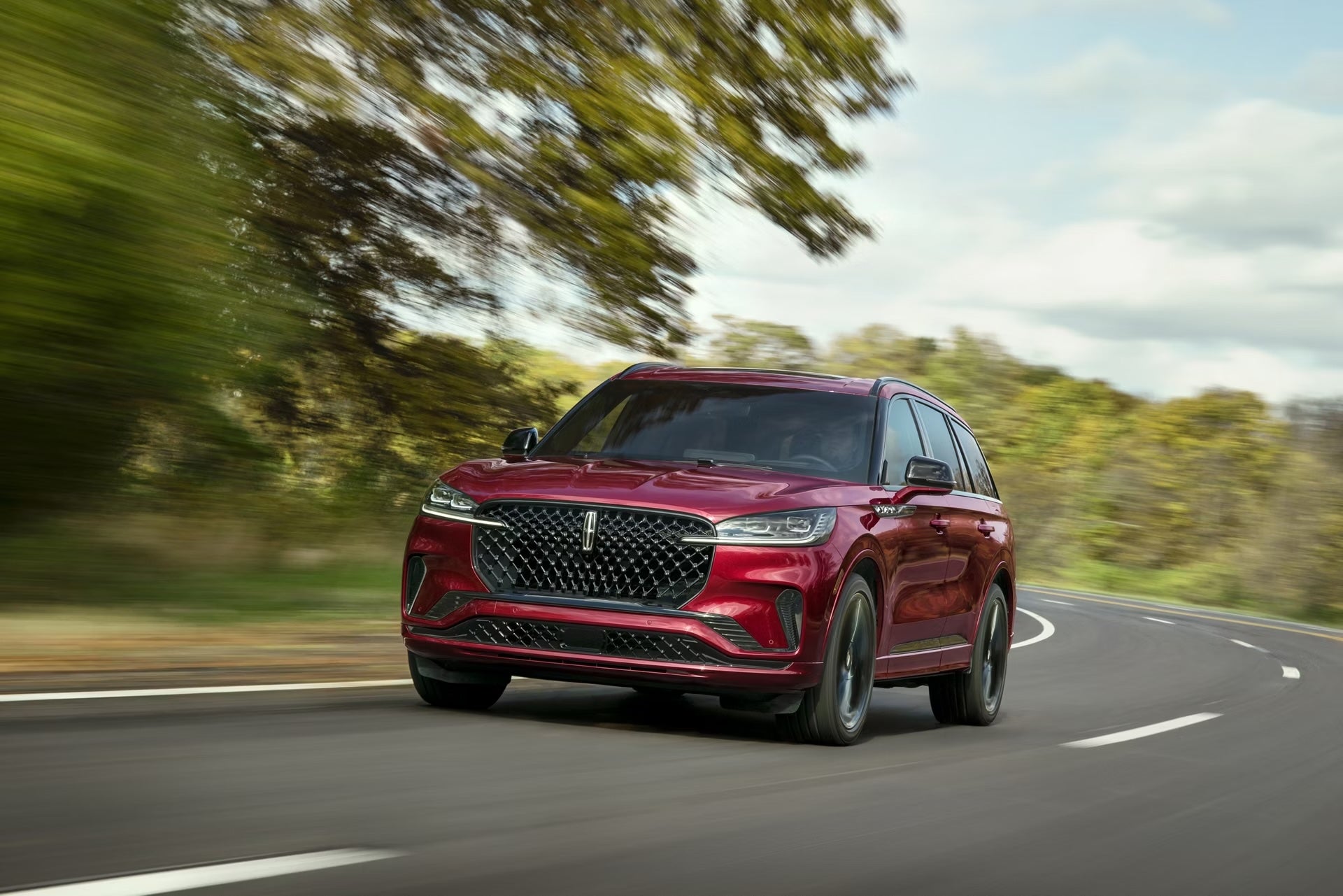
2026 Lincoln Aviator on the Road

Why Is the 2026 Lincoln Aviator Considered “Old School Luxury?”

Inside and out, from head to toe, the 2026 Lincoln Aviator is a thoroughly modern three-row luxury SUV, instilled with inspired design, advanced technologies, and immersive comfort. So why did the experts at Car and Driver call this the 2026 Aviator an example of “old school luxury?” Well, that’s the highest order of compliment, especially if you’re familiar with Lincoln’s comes to Lincoln’s heritage of leading the industry in distinctive yet restrained design and sophisticated interior designs that feel even better than they look. In an era where it feels as if we constantly pay more and get less, it’s nice to know the Aviator bucks that trend while pampering driver and passengers alike. The 2026 Aviator has been called “understated” in its design, which is also a compliment. Look at the exterior design, which is dictated by its large grille up front adorning the Lincoln Star. The rest of the lines flow with purpose and elegance all the way to the horizontal rear LED lighting signature – a modern touch among classic elements. However, it is a right-sized SUV for the family. Not too tall or imposing. Not too small and cramped. Just right. That is also why the 2026 Aviator is also called “traditional” in its approach to luxury. Being right sized does not mean it lacks accommodation and features. Quite the contrary. Yet, it offers the technology expected of a contemporary a luxury SUV. Car and Driver cited how the 360-degree camera that is featured inside the Lincoln Digital Experience screen can be enabled with a single button to make maneuverability a breeze. Getting comfortable should be no problem when choosing the right place with the Perfect Position front seats, which also includes seat heating, ventilation, and a massage function to keep you temperate and relaxed behind the wheel. Performance comes from the 383-horsepower 3.0-liter twin-turbocharged V6 engine. It is a modern powerplant that provides plenty of power when most needed while delivering both refinement and impressive efficiency.  Combine that with the traction of all-wheel drive and you have the confidence to tackle any excursion in any weather condition, especially when the Aviator’s drive mode selector is shifted to Slippery or Deep Conditions settings. Selecting the available Dynamic Handling Package adds adaptive and air suspension systems which not only improve handling but also ensures Aviator’s passengers are as physically comfortable as possible, even on some of the worst road surfaces imaginable.  Aviator also offers the driver BlueCruise hands-free driver assistance technology, which helps bring another level of driver comfort and ease on long highway trips. The takeaway that Car and Driver got from its time in the 2026 Aviator was its “effortless urge” and “magic-carpet ride” that make it a “chillax” experience. That last term may not be an “old school” vocabulary word, but both points still tie directly to that “old-school luxury” conclusion. The 2026 Aviator is now available at Stivers Lincoln in Montgomery. Contact us to see this wonderful mid-size luxury SUV soon.

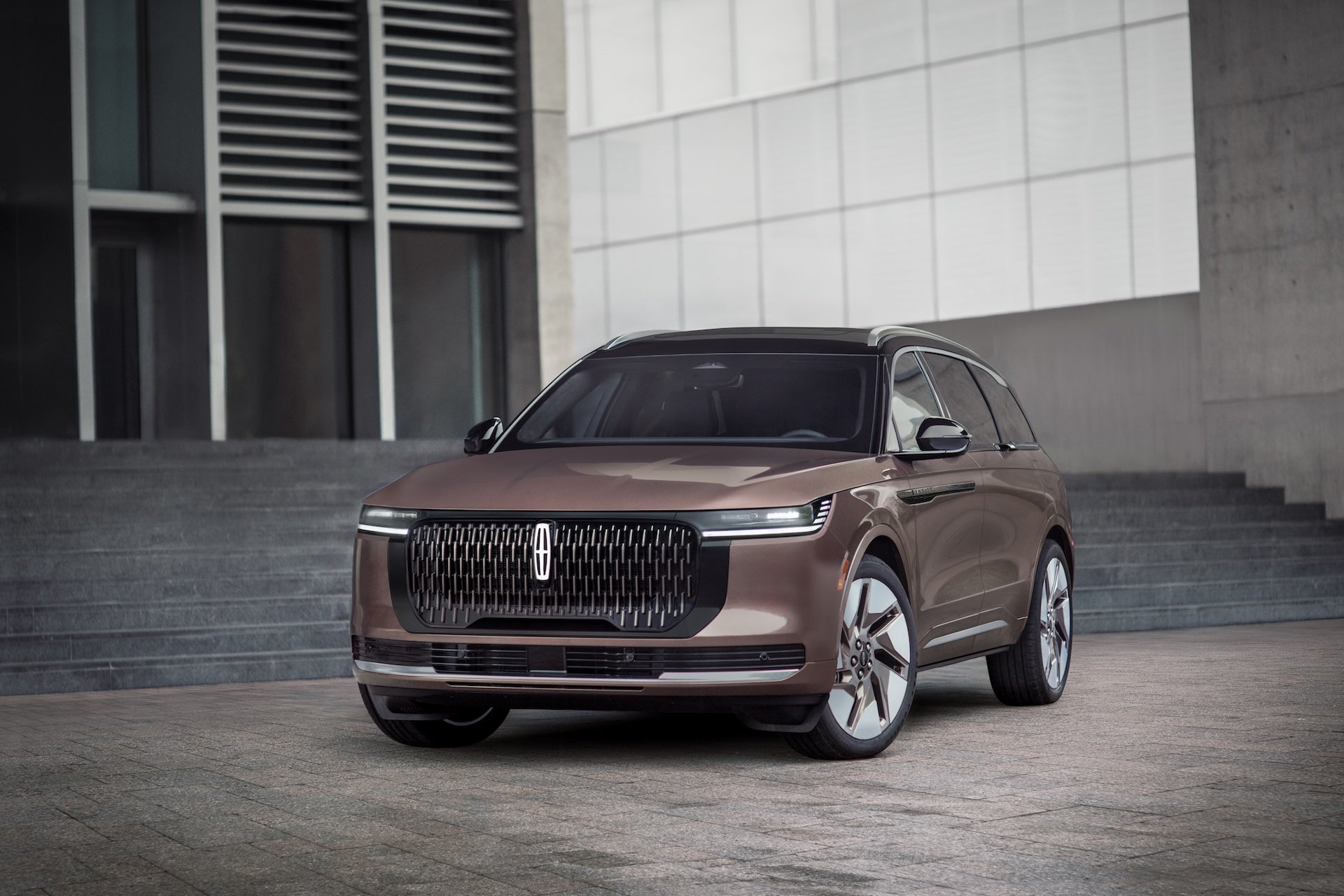
Front View of the 2027 Lincoln Nautilus Black Label

2027 Lincoln Nautlus: Additional Attention to Luxurious Detail

True luxury is in found in the attention paid to detailing, and the 2027 Lincoln Nautilus is proof positive of that adage. Lincoln hasn’t completely re-invented its two-row premium midsize crossover for the 2027 model year, but it has built upon the qualities that set it apart from its competition, resulting in a vehicle that delivers unparalleled comfort, versatility, and performance. Strivers Lincoln offers this advanced look. The most obvious changes include a new front end with a larger, more detailed grille, which is flanked by a redesigned hood and front fenders. The 2027 Nautilus offers five different wheel options, ranging anywhere from 19 to 22 inches in size, depending on the particular trim level – but each provides the right amount of distinctive flair for the Nautilus’ exterior form. In back, a thin horizontal tail lamp stretches the entire width of the vehicle, which helps accentuate the Lincoln badging and provides an elegant presentation. Additionally, Lincoln introduced new colors to accentuate the interior, including a highly metallic Nocturnal Blue for all trims and a rich plum-purple called “Frosted Fig” for the top-range Nautlius Black Label model. Inside, the 48-inch, pillar-to-pillar Lincoln Digital Experience still steals the show, providing a full set of information at the base of the windshield, where eye diversion from the road is minimal. Supporting the system, the Lincoln Connectivity Package3 includes built-in Google Maps, Google apps, and voice assistance as standard features, plus four years of active connectivity covering navigation, apps, and an unlimited Wi-Fi hotspot. Meanwhile, rear passengers will enjoy nearly class-leading 43.1 inches of legroom. Look closer at the interior, and you may discover the Afterglow interior color theme on Premier and Reserve trims, or a new Hot Chocolate color theme on Nautilus Reserve models. The Black Label trim level features two exclusive interior themes. Eminent Hour, inspired by a desert sunset, includes Tranquil Dusk Menorca seating, Eminent Fade perforation, warm stitching, Eminent Copper Ash open-pore wood, and an Ebony headliner. Elysian is its thematic opposite, inspired by a sunrise over water, with Soft Cloud leather and headliner, Pearl Blue accents, and Pearlescent Ash wood tri A new Renew Package brings the 24-way Perfect-Position front seats with memory and massage to the Reserve trim. Also new is Lincoln Rejuvenate, which, in Lincoln’s words, creates a calming multisensory experience by combining visuals, audio, seat position, and climate control into a single relaxing experience for use when parked. Digital Scent adds curated fragrances to further personalize the Nautilus cabin. A Nautilus purchase includes four years of the BlueCruise 1.5 hands-free driving system, now featuring seamless automatic lane changes. Lincoln also includes four years of the Lincoln Security Package, offering real-time anti-theft tracking, remote engine lockout, and 24/7 live agent support via the Lincoln app. Underhood is a turbocharged 2.0-liter inline-4 producing 250 horsepower and 280 lb-ft of torque. The engine is paired with an 8-speed automatic and sends power to all four wheels through the standard AWD system. More than half of Nautilus customers have opted for the Nautilus Hybrid drivetrain, which uses a version of the same engine combined with a 100-kW electric motor paired with a continuously variable transmission, for a total system rating of 285 horsepower. 2027 EPA estimates are not yet available, but the 2026 model was rated at 29 in the city, 31 on the highway, and 30 combined. You would be hard-pressed to find a better expression of American Luxury than the 2027 Lincoln Nautilus.  The first models can be expected to arrive at Stivers Lincoln in early 2027, though orders are being taken now.

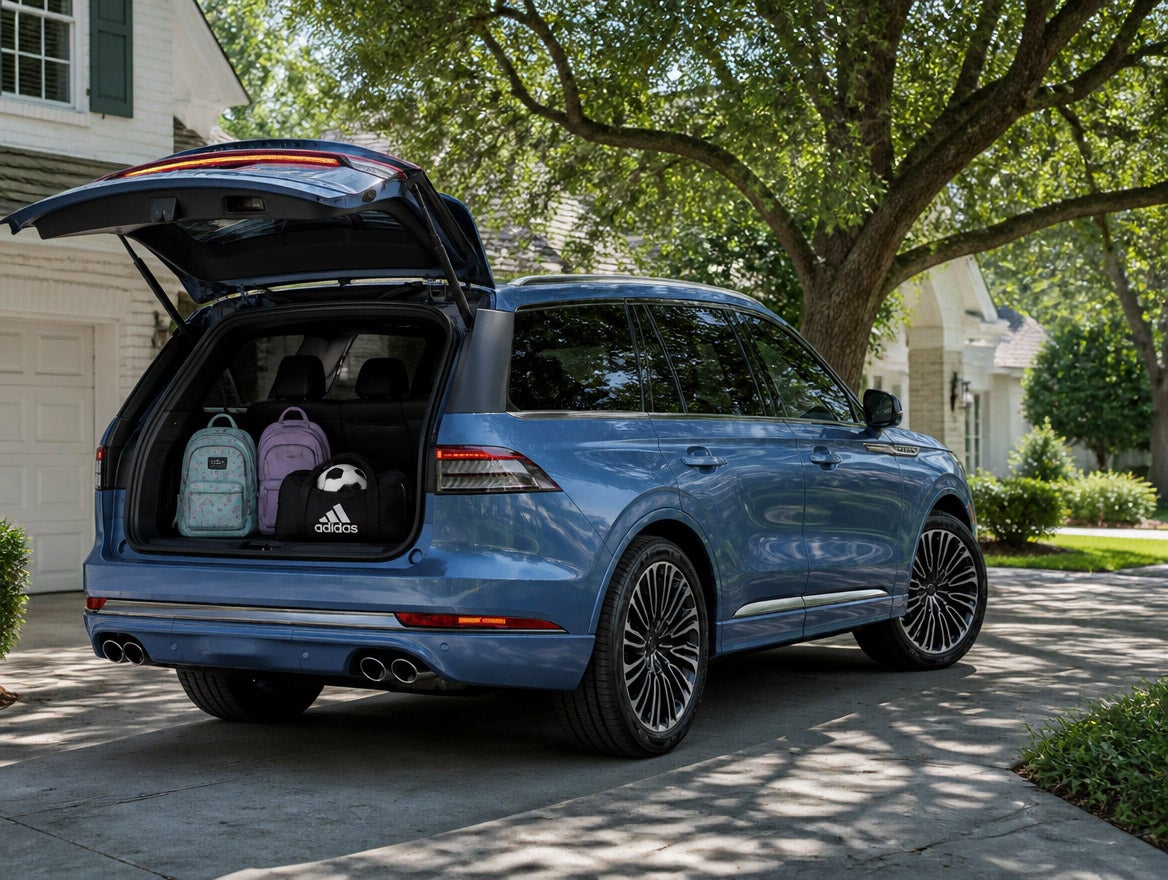
2026 Lincoln Aviator rear liftgate open with school bags in an east Montgomery driveway under live oaks

Lincoln Aviator or Lincoln Nautilus: Which One Better Fits Back-to-School Traffic, Carpools, and Packed Family Schedules?

In this article What's the Real Difference Between These Two? Does the Aviator's Third Row Actually Work for School Runs? Fuel and the School-Run Math Maneuverability on the Eastern Boulevard School Run So Which One Should You Choose? The short answer hangs on one question: how many kids are you loading at once? If the number ever climbs past five, the 2026 Lincoln Aviator is your only choice between these two. If you rarely go beyond four or five, the Nautilus is smaller, lighter on its feet, and far easier to thread through the scrum of a pickup line. The short version The 2026 Aviator seats up to seven and tows up to 5,000 pounds when properly equipped. It's built for the household running three-plus kids or a steady rotation of other people's children. The 2026 Nautilus seats five across two rows, comes standard with all-wheel drive, and offers an EPA-estimated 29 city / 31 highway MPG in hybrid form. It's the pick for smaller households who want a cabin that feels serene rather than full. The trade-off nobody talks about: with all three Aviator rows occupied, cargo drops to just 16.5 cubic feet (Lincoln lists it). Consider that the plain constraint. You can carry six kids or a week of gear. Not always both. The Nautilus holds more behind its rear seats (up to 36.4 cubic feet in Premiere trim) than the Aviator does with row three up. Our best guidance: count the car seats and the duffel bags before you decide. What's the Real Difference Between These Two? Both SUVs share one Lincoln interior philosophy (composed, unhurried, materials that reward a second glance), and yet they answer different questions. The Aviator wants to know how many people you need to move. The Nautilus wants to know how refined you'd like the daily drive to feel. Same family, two very different jobs. Below is the comparison where it counts for an August in Montgomery. Category 2026 Lincoln Aviator 2026 Lincoln Nautilus Rows / Passengers 3 rows / up to 7 2 rows / up to 5 Cargo (all seats up) 16.5 cu ft (behind row 3) 36.4 cu ft (Premiere, behind row 2) Cargo (max, seats folded) 77.7 cu ft 71.3 cu ft Engine 3.0L twin-turbo V6, 400 hp 2.0L turbo I-4, 250 hp (gas) / 285 hp (hybrid) EPA City MPG 18 (RWD) / 17 (AWD) 21 (gas) / 29 (hybrid) EPA Highway MPG 25 (RWD or AWD) 29 (gas) / 31 (hybrid) Towing (properly equipped) Up to 5,000 lbs Up to 1,750 lbs Drivetrain options RWD or AWD AWD standard BlueCruise 1.5 Standard on all trims Standard on all trims The single deciding factor: if you ever need a sixth or seventh seat, the Aviator is the answer. If five seats is your real ceiling, the Nautilus gives you more usable cargo space when those seats are occupied. Does the Aviator's Third Row Actually Work for School Runs? The Aviator's third row works well for children, works acceptably for shorter adults on a quick hop, and it comes with a catch the spec page won't spell out. When that row is in use, Lincoln lists 16.5 cubic feet of cargo behind it. Enough for a stack of backpacks. Not enough for a week of soccer gear. That isn't a knock on the vehicle. It's a legitimate engineering trade-off, and worth understanding before you sign anything. The 2026 Lincoln Nautilus makes the opposite bargain. Two rows, five seats, and 36.4 cubic feet of cargo behind the rear bench in Premiere trim (35.2 in Reserve and Black Label). That's more than double what the Aviator offers with row three up. On the Monday morning when you've got three teammates and their gear after a tournament weekend, you feel that difference right away. For the household that truly needs a third row, the relevant Aviator trims also offer second-row captain's chairs, which drop the count to six but open a center console and give middle-row passengers a real sense of their own space. The bench brings capacity back to seven. Either way, Lincoln's PowerFold third row drops flat with a button, and that matters at 7:45 a.m. when you're managing the morning. Browse our current Aviator and Nautilus inventory to see which trims and configurations are on our lot right now. Fuel and the School-Run Math An August in Montgomery means the air conditioning works hard from the second you start the vehicle, and that's no small thing on a route you drive twice a day. The powertrain math shifts once you factor in that heat load and the crawl of morning traffic. So it's worth taking each engine on its own terms before you decide. The Aviator runs a 3.0-liter twin-turbocharged V6 that Lincoln rates at 400 horsepower and 415 pound-feet of torque. The EPA rates it at 18 city / 25 highway (RWD) and 17 city / 25 highway (AWD). Actual mileage varies by conditions and use. That's a genuinely capable engine for a three-row vehicle. The Aviator also runs on regular-grade fuel, which is worth noting given that the Nautilus gas model recommends premium. The Nautilus gas engine is a 2.0-liter turbocharged inline-four producing 250 horsepower. The EPA rates it at 21 city / 29 highway. The Nautilus hybrid pairs that same 2.0-liter block with an electric motor for a combined 285 horsepower, and the EPA rates it at 29 city / 31 highway. Actual mileage varies. On the lot this August: In Montgomery's stop-and-go school-traffic conditions (Eastern Boulevard at 7:30 a.m. is not a gentle drive), the Nautilus Hybrid's city rating earns more practical meaning. Hybrid powertrains recover energy during braking, and that's exactly the pattern of a school run. None of which is an argument to skip the Aviator. Call it a fair note about where each powertrain shines. Maneuverability on the Eastern Boulevard School Run The Nautilus measures 193.2 inches long and the Aviator stretches to 199.7 inches, so on paper you're looking at about half a foot. In practice, you notice it most in a parking lot rather than on the highway. The Aviator sits on a longer wheelbase footprint (119.1 inches), which means a wider turning circle in tighter drop-off zones. We're not calling the Aviator unwieldy. It isn't. But it is a longer vehicle, and anyone running a packed schedule at a campus with a narrow drive-through lane will feel the extra length. The Nautilus, with AWD standard across every trim, gives east-side Montgomery drivers peace of mind through Alabama's two genuine severe-weather seasons (spring storms March through May, and the secondary window in late autumn) without carrying the length of a three-row body. It's a real local consideration, and it ties back to capability rather than marketing language. Explore Financing Options So Which One Should You Choose? The buyer profile really does split between these two, and we'll be direct about the line. Headcount decides it, and everything else follows from there. Read the two cases below against your own week. Choose the Aviator if: You regularly carry six or seven passengers, you coach a team or frequently transport other families' kids, you tow a trailer, a small boat, or recreational gear (up to 5,000 pounds when properly equipped), or your household regularly needs third-row flexibility even if not every day. The Aviator is also the answer if your family is in a growth phase where seat count matters more than maximum cargo access. See 2026 Aviator inventory at Stivers Lincoln. Choose the Nautilus if: Five seats covers your real-world routine, you value a more nimble daily footprint, you want the available hybrid powertrain for efficiency on a repeat school commute, or you simply prefer a cabin that feels more intimate and less like an event vehicle. The Nautilus gives you more usable cargo room than the Aviator does with row three occupied, and the 48-inch panoramic display makes the interior feel like a different category of vehicle. One straight note on the Aviator: its cabin is refined and genuinely comfortable in rows one and two. Row three suits children best, or shorter adults on drives under an hour. If you expect adults to ride back there in comfort as a matter of routine, a full-size Lincoln Navigator is worth a conversation with our team. Neither of these is the compromise pick. They're different answers to different questions, and the right one comes down to headcount, not to which name sounds better. Frequently Asked Questions { "@context": "https://schema.org", "@type": "FAQPage", "mainEntity": [ { "@type": "Question", "name": "How much cargo space does the 2026 Lincoln Aviator have with all three rows in use?", "acceptedAnswer": { "@type": "Answer", "text": "Lincoln lists the 2026 Aviator at 16.5 cubic feet of cargo space behind the third row when all seats are occupied. That accommodates several backpacks or a moderate grocery run. With the third row folded, cargo expands to approximately 39.9 cubic feet, and with both rear rows folded it reaches 77.7 cubic feet." } }, { "@type": "Question", "name": "Is the 2026 Lincoln Nautilus available with all-wheel drive for wet-road conditions in Montgomery?", "acceptedAnswer": { "@type": "Answer", "text": "Yes. All-wheel drive is standard on every trim of the 2026 Lincoln Nautilus. There is no RWD Nautilus. The Aviator, by contrast, is offered in both rear-wheel drive and all-wheel drive configurations, so buyers need to confirm the drivetrain when specifying their order." } } ] } How much cargo space does the 2026 Lincoln Aviator have with all three rows in use? Lincoln lists the 2026 Aviator at 16.5 cubic feet of cargo space behind the third row when all seats are occupied. That accommodates several backpacks or a moderate grocery run. With the third row folded, cargo expands to approximately 39.9 cubic feet, and with both rear rows folded it reaches 77.7 cubic feet. Is the 2026 Lincoln Nautilus available with all-wheel drive for wet-road conditions in Montgomery? Yes. All-wheel drive is standard on every trim of the 2026 Lincoln Nautilus. There is no RWD Nautilus. The Aviator, by contrast, is offered in both rear-wheel drive and all-wheel drive configurations, so buyers need to confirm the drivetrain when specifying their order. Value Your Current Vehicle Stivers Lincoln of Montgomery 4000 Eastern Blvd, Montgomery, AL 36116 (334) 647-6905