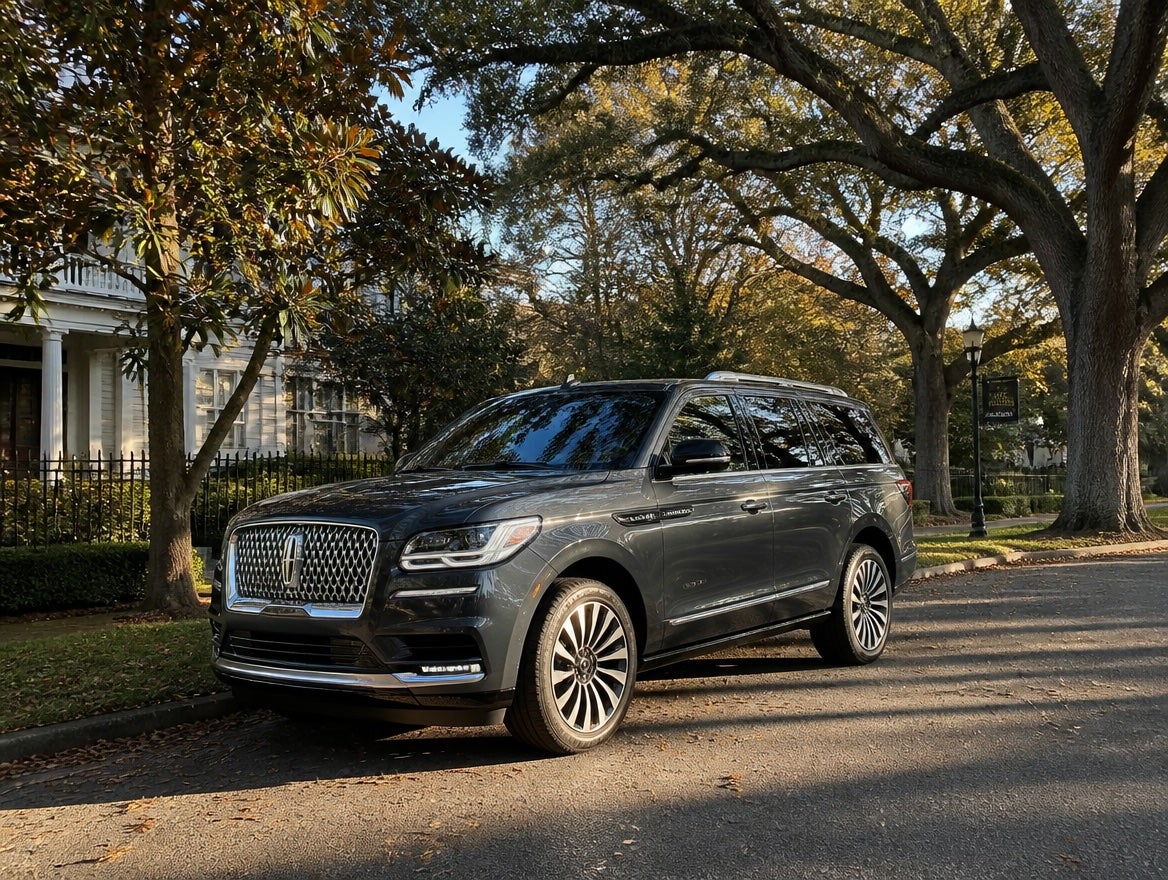
In this article Is "End of Year" Actually the Best Time to Trade In Your Vehicle? What the Alabama Tax Credit Actually Means for a Lincoln Transaction The One Scenario Where December 31 Is a Hard Deadline So What Should You Actually Do Before December 31? November arrives in Montgomery with the first genuinely cooler air, and a question rides in alongside it, steady as ever. People want to know whether right now is the best time to trade in a vehicle. The assumption underneath runs like this: end-of-year equals peak trade-in value, dealers are desperate for inventory, and waiting a few weeks will cost you. We get why it lands that way. The belief is mostly wrong, though, and the slice of it that holds up behaves differently than you'd think. So here's the version worth keeping. The best time to buy a new Lincoln is often Q4. The best time to maximize your trade-in value is typically Q1 or Q2. Both land at once in late December, and knowing which side of the equation you're working matters more than the date. The short version The myth: trading in before December 31 maximizes your vehicle's value. The reality: Q4 is generally the softer season for trade-in offers, not the stronger one. The genuine year-end advantage is on the buying side. Dealers want to close the year strong, which creates real motivation to work with you on your new vehicle. Alabama gives you a full trade-in sales tax credit when the trade and purchase happen in the same dealer transaction, per revenue.alabama.gov. That benefit exists in January just as much as December. If you use your vehicle for business, 2026 bonus depreciation is at 100% (now permanent), which makes December 31 a hard deadline worth taking seriously. The right answer is: know your equity position, know Alabama's tax rule, and time the transaction around your personal situation rather than a calendar myth. We work with clients on Eastern Boulevard who've owned Lincoln vehicles for fifteen or twenty years. The ones who get the most from every transaction understand a few mechanics that the year-end advertising noise tends to obscure. A 2026 Lincoln Navigator sitting on our lot right now carries value on both sides of this question. Let's get into the substance. Is "End of Year" Actually the Best Time to Trade In Your Vehicle? For trade-in value specifically the answer is no, though for your overall transaction it depends entirely on what you're optimizing, since the buying side of a year-end deal can work in your favor at the exact moment the trade-in side works against you. One date, two goals pulling opposite ways. The pattern is well-documented and intuitive once you see it. Trade-in values tend to be higher in the first two quarters of the year, with larger drops in the final two. There are more buyers in the market early in the year, and dealerships need more cars to feed demand. A used vehicle also feels meaningfully newer when it's eight or ten months away from turning a model year older rather than just two or four months away. By November, your 2022 or 2023 vehicle is visually closer to being a "three-year-old" or "four-year-old" car in the eyes of a wholesale buyer. The Claim What's Actually True Source "Dealers are desperate for trade-ins at year-end, so values spike." Wholesale used-vehicle demand peaks in Q1-Q2 when retail buyers return to market. Q4 values are typically softer. Documented industry depreciation seasonality "My car loses value every month I wait, so trading now stops the bleeding." Depreciation averages about 30.5% in the first year, then slows to roughly 7.7% in year two and 6.8% in year three. The rate slows as the vehicle ages, so the "bleeding" is not uniform. Edmunds depreciation data "Alabama doesn't give me a tax break on a trade-in, so it doesn't matter when I do it." Alabama gives a full trade-in credit: tax is figured on the net difference when an automotive vehicle is taken in trade toward a new or used automotive vehicle, per revenue.alabama.gov. Alabama Department of Revenue "I can sell my car privately and still get the Alabama tax credit on my new purchase." Alabama's credit applies to retail dealer transactions only. The trade must be part of one dealer deal. Sell your old vehicle separately, even the same afternoon, and the credit is gone. revenue.alabama.gov "Year-end is good for buyers OR for traders, not both." Year-end is genuinely good for buyers (dealer motivation). The trade-in value question is separate and depends on your equity, model, and mileage position. Industry seasonality + Alabama DOR Five distinct claims sit in that table. Only one is cleanly true without qualification, the Alabama tax credit, and that one is worth understanding before you make any move. What the Alabama Tax Credit Actually Means for a Lincoln Transaction The Alabama trade-in credit means your sales tax gets figured on the net difference rather than on the full price of the new vehicle, which is the single piece of this year-end conversation that deserves more attention than the advertising usually gives it. In Alabama a trade-in is deducted before tax is calculated. The state sales tax on automotive vehicles is 2% of the gross proceeds of the sale, but that percentage applies to the net difference, not to the full purchase price of your new vehicle, when you trade at a licensed dealer in the same transaction. Montgomery carries local tax on top of the state rate, which pushes your combined rate higher than 2% alone. The trade-in credit can generate substantial tax savings at the combined state and local rate. In Montgomery's tax geography your savings move in the same direction and are real money on a Lincoln transaction, where trade values can run considerably higher than baseline estimates. Alabama's trade-in sales tax credit has no calendar expiration. It applies on January 3rd the same way it applies on December 29th, as long as the trade and purchase happen in the same dealer transaction. All of which separates the Alabama tax advantage from the year-end urgency framing. The credit isn't going anywhere. What shifts in Q1 is the wholesale demand sitting behind your trade-in. Put those two forces together, a stronger trade offer in Q1 alongside a tax credit that works year-round, and they're worth weighing against the one genuine Q4 advantage, dealer motivation. Where our team lands is simple. Clients who time this well stay clear-eyed about one thing, that they're not optimizing the trade-in in isolation. They're optimizing the whole transaction. Start with an honest appraisal of your trade's current value before you let the calendar decide for you. Get Your Trade-In Value The One Scenario Where December 31 Is a Hard Deadline A genuine year-end deadline does exist, and unlike the broader trade-in timing question, it applies to one specific group, business owners who can put bonus depreciation to work on a qualifying vehicle placed in service before the year closes. The deadline is firm for them, and loose for nearly everyone else. Bonus depreciation is at 100% for 2026, and to use it, you must finalize any vehicle purchases before the end of the calendar year and use that vehicle during the tax year in question. If you're a physician with a practice, an attorney with a firm, or a business owner who uses a vehicle for more than 50% business purposes, placing a qualifying vehicle in service by December 31, 2026 is a real tax-year event. The standard mileage rate for 2026 is 72.5 cents per business mile under the actual-expense method alternative, but business owners tracking actual expenses may qualify for the full depreciation benefit that makes December 31 a meaningful line. Per the IRS and updated for 2026: 100% first-year bonus depreciation is now permanent for eligible assets, including certain qualifying business vehicles. The vehicle must be placed in service during the tax year to count toward that year's deduction. IRS Section 168(k) / confirmed by multiple 2026 CPA guidance sources One note before you run with this. The tax mechanics are real and potentially significant, and they also depend on your business structure, your vehicle's business-use percentage, and your overall tax picture for the year. Take the details to your CPA, not to a dealership. What we can tell you plainly is that if your advisor has flagged a vehicle purchase before year-end, we're ready to work with you on timing. Buying the vehicle this year isn't enough on its own. You need to place it in service by year-end. So What Should You Actually Do Before December 31? Treat the calendar as one input rather than the entire decision, and work the question in order: your equity position, what your trade is genuinely worth today, the Alabama tax rule, and whether a year-end tax strategy even applies to you. Only one of those is tied to December 31, and it's the business-depreciation piece. The practical framework our team uses with clients who bring this in runs five steps. 1. Know your equity position first. If the trade-in value is worth more than the remaining balance on your loan, that equity is credited to the sale price of your next vehicle. If you owe more than your car is worth (negative equity), you'll need to cover that gap. If you're significantly upside-down, consider waiting until you have equity before trading in. 2. Understand what your trade is actually worth right now. Q4 values are softer than Q1 and Q2, but "softer" is a relative term. A 2022 or 2023 Lincoln Aviator in excellent condition with documented service history is a desirable used vehicle in any month. Condition, mileage relative to 12,000 miles per year as the baseline, and service documentation all move the number. 3. Apply the Alabama tax credit correctly. The trade and purchase must be in the same transaction at a licensed dealer. This benefit only applies when the trade-in and purchase happen at the same dealership in the same transaction. Sell privately and then buy separately, and you forfeit the tax credit on the entire purchase. 4. If you're a business owner with a year-end tax strategy, act now. The December 31 deadline for 100% bonus depreciation is firm. A Lincoln Navigator L or Aviator used more than 50% for business is a qualifying asset. Talk to your CPA, then come talk to us. 5. If none of the above apply, don't let the ads rush you. The best transaction is the one that fits your financial picture and your next chapter. The end-of-year sales period is the best time for buying a new car, but trade-in numbers favor a different time of year. If you're in a position to take advantage of dealer year-end motivation on the buy side while your trade still carries strong equity, that combination can work. If not, January and February will treat your trade-in well. We're here either way. Most states give a full trade-in credit, with sales tax charged on the price after your trade-in comes off and no dollar limit, and in Alabama that holds in any month you walk through our door. Frequently Asked Questions Does trading in my car before December 31 give me a better trade-in offer? Not typically. Trade-in values in the automotive market tend to run higher in the first half of the year, when retail demand for used vehicles is strongest and your vehicle is farther from its next model-year rollover. Year-end is generally a stronger time to buy a new vehicle, because dealers are motivated to close the year well. The trade-in value and the purchase terms are two separate negotiating points, and conflating them is what leads to timing decisions built on the wrong logic. Does Alabama reduce my sales tax when I trade in a vehicle? Yes. Per the Alabama Department of Revenue, when a used automotive vehicle is taken in trade as credit or partial payment on the purchase of a new or used automotive vehicle, the sales tax is calculated on the net difference between the two vehicles' values. Alabama's state automotive sales tax rate is 2%, with local add-ons that vary by county and city. This credit applies only when the trade and purchase happen in the same dealer transaction. Selling your vehicle privately and then buying separately forfeits the credit entirely. Explore Your Financing Options Stivers Lincoln of Montgomery 4000 Eastern Blvd, Montgomery, AL 36116 (334) 647-6905