Blog / Lincoln dealership

Choose our trusted Lincoln dealership near Birmingham AL

Choose our trusted Lincoln dealership near Birmingham AL

Stivers Lincoln - Choose our trusted Lincoln dealership near Birmingham AL

Shopping for your new Lincoln at Stivers Lincoln is a stress-free experience from start to finish. When you search for a premium sedan or SUV, you understandably have solid requirements for its luxurious features as well as the driving experience that it provides. Each new Lincoln in our inventory is flawlessly designed and engineered to impress you daily. With many trims and optional packages for our popular models in stock today, identifying the specific Lincoln that suits your preferences and needs is a breeze. The inventory is updated often, and it is fully listed on our website for your convenience.

While selecting the right Lincoln is essential, you also need to ensure that it is reasonably priced for your budget. Several resources are available on our well-designed website that simplifies this aspect of your purchase. Before arriving at our showroom at Stivers Lincoln, you can quickly estimate your trade-in equity and calculate the available funds for your down payment by researching the vehicle’s value online. By using the online loan payment calculator, you can get a clear picture of the sales price that you can afford within minutes. You can even apply for financing and learn about the specific lease or loan terms available before leaving home.

At Stivers Lincoln, we actively support our customers with their new auto purchases throughout the process. Our associates are available to tell you more about specific models and trims, assist with test drives, and more. To learn more about today’s Lincoln models and to arrange a test drive, connect with our knowledgeable, helpful team today. Visit us near Birmingham AL. Also serving Hoover, Auburn, and Mountain Brook Alabama.

Request more Lincoln dealership information

Posted in:

Related Posts

Refreshing River Theme in Lincoln Rejuvenate

Lincoln adds a Sixth Theme to Relax with on its Lincoln Rejuvenate System

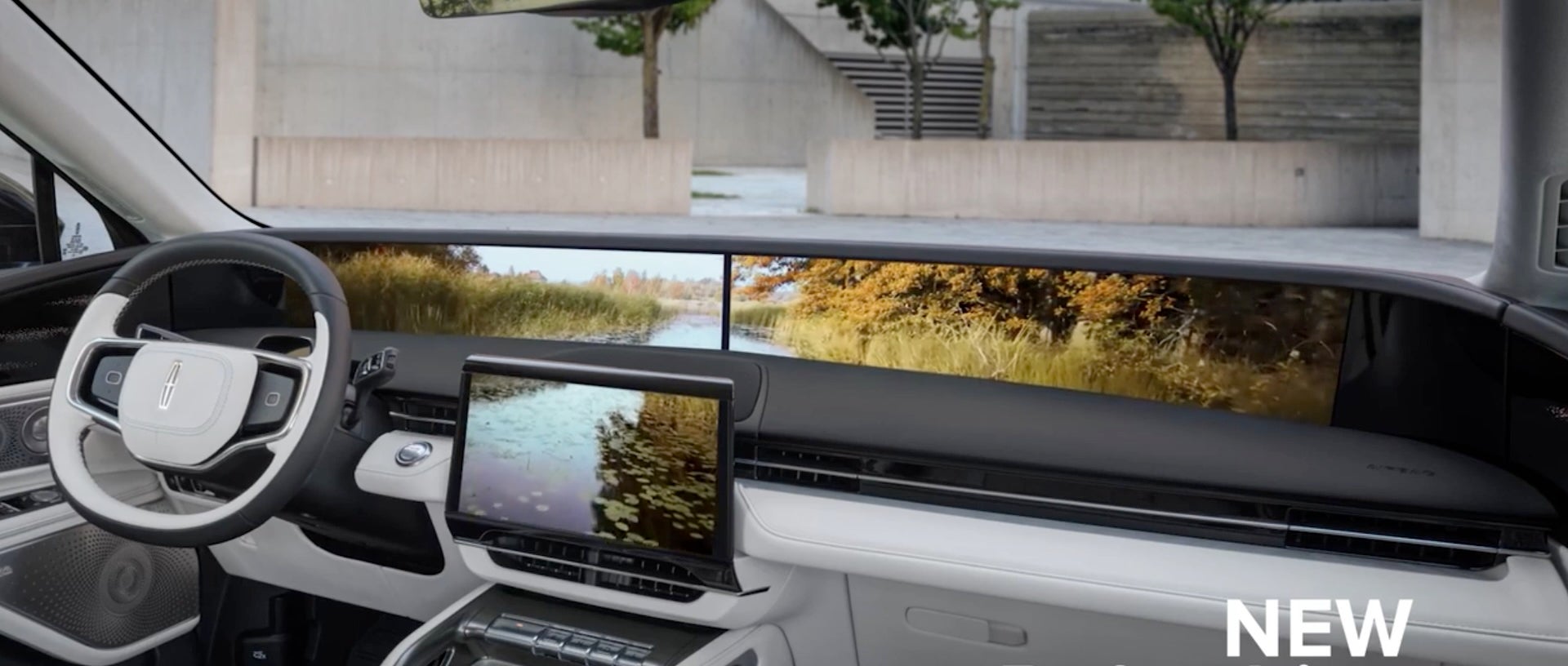
You've worked hard to afford a luxury vehicle like a Lincoln Navigator or Nautilus – shouldn't you have the opportunity to unwind when time allows? Lincoln has developed Lincoln Rejuvenate, a feature in these vehicles that can transform its already tranquil and comforting interiors into a calming sanctuary when parked. Stivers Lincoln tells you all about it. Lincoln Rejuvenate is a multisensory relaxation system that leverages the audio system, all view screens, climate control, seat massagers, and even the Lincoln Digital Scent systems. It first launched in 2025 with three nature-based relaxation themes. Two more themes, including the latest Refreshing River theme, have been added, bringing that total to six. Because it uses the entire panoramic display system and involves programmed seatback recline, Lincoln Rejuvenate is designed to be used strictly while the vehicle is stationary. The system was defined based on findings from a Purdue University study commissioned by Lincoln, which showed that multisensory in-vehicle experiences can yield measurable short-term relaxation benefits. As an example, here is how Lincoln describes its new Refreshing River theme: “Inspired by the beauty of a fall day, Refreshing River begins on a quiet riverbank, where the sound of water and a gentle breeze create a calming escape. The journey continues along the river, revealing distant trees in rich autumn color — evoking the crisp, restorative feeling of an afternoon at the cider mill.” The Cloud Balsam Digital Scent is recommended to complete the experience. This is how Lincoln describes the five other Rejuvenate themes: Waterfall Meditation: An immersive experience evoking the serenity of cascading water. Elements: A multisensory journey through the fundamental elements of nature. Aurora Borealis: An ethereal visual and auditory experience inspired by the natural phenomenon. Forest Meditation: A calming exploration of a serene natural forest environment. Tropical Paradise: A sensory escape that flows from a vibrant coral reef to a calm, serene beachfront. Fortunately, the need for calm and relaxation is not exactly foreign to the Lincoln executives who championed the system. Says Sonia Reif, Lincoln Global Vehicle Director, “That’s what makes Lincoln Rejuvenate such a differentiating feature; it reflects our commitment to wellness. Supported by scientific research, it’s helping redefine how our clients use their vehicles, not just to get from point A to B, but as a meaningful third space to relax and recharge.” Obviously, describing this system can only go so far, and it needs to be experienced to be fully understood. Strivers Lincoln invites you to its Montgomery showroom to slow down and experience Lincoln Rejuvenate for yourself.

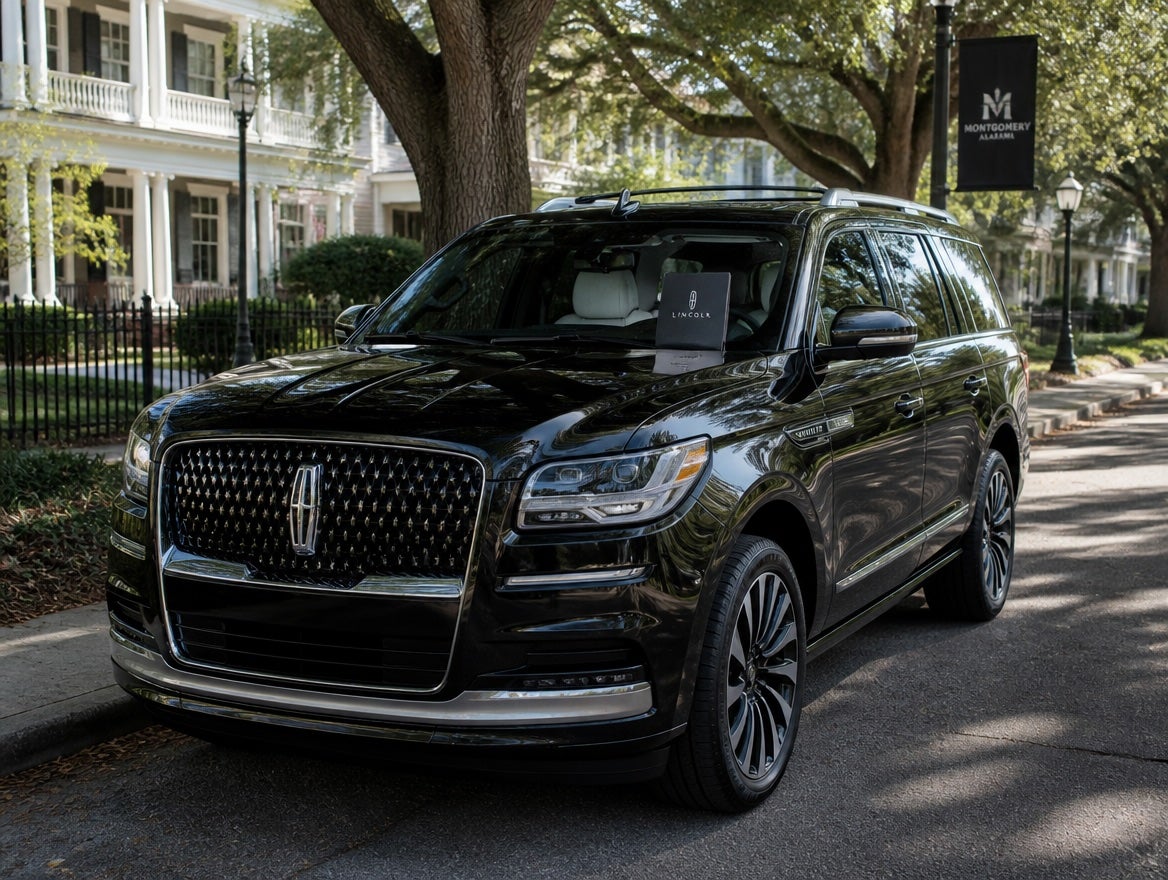
2026 Lincoln Navigator parked on a shaded Montgomery, AL street with a document folio on the seat, representing a prepared Lincoln purchase visit

What Documents Should You Bring When Buying a Lincoln?

You've chosen the Lincoln. What's left is the one stretch of the process where a little preparation genuinely changes how the day feels, showing up with the right documents so the visit moves as quietly as the vehicle you're about to drive home. We've watched purchases close in an afternoon, and we've watched others stall for a second trip over a single missing page. The difference usually comes down to the folder, not the buyer. The short version is simple. Most buyers need a valid government-issued photo ID, proof of Alabama auto insurance, their payment or pre-approval documentation, and, if they're financing, proof of income. A 2026 Lincoln Navigator buyer who is a salaried employee purchasing individually and paying cash needs just three items. Everything else on this list applies when your situation adds a layer. What Does Every Lincoln Purchase Actually Require? Every Lincoln purchase leans on the same small core of documents, and whether your folder stays thin or grows thick depends entirely on your situation, how you're paying, whether you're trading in, and whether the vehicle is titling to a person or a business. The core set is short. The variables are what expand it. Document Who needs it What it covers Valid government-issued photo ID Every buyer Identity verification; required for the test drive, the credit application, and the title Proof of Alabama auto insurance Every buyer Alabama law requires coverage before you drive off the lot; an active insurance card or declarations page works Payment method or pre-approval letter Every buyer Cash payment instructions, your bank's check, or the lender pre-approval letter Proof of income (pay stubs, tax returns, or bank statements) Financing buyers Lenders verify your ability to repay; the form this takes depends on how you earn (see below) Trade-in title + lien payoff information Trade-in sellers The title signed over to us; if a lender holds the lien, the account number and payoff amount Business documents or trust paperwork Business or trust purchase Entity name, EIN, and formation documents if the vehicle is titled to a company or trust Social Security number Financing buyers Required on the credit application; have it available even if you don't bring a card The Alabama Department of Revenue requires that the name on your ID match the name on the title application exactly. Suffixes, middle initials, all of it. Plan accordingly if the vehicle is going in a name that differs from your everyday ID. Start Your Lincoln Financing Application How to Load the Folder: Scenario by Scenario The table above lists what exists, but this section is about what you actually pull together, since the right stack for a salaried cash buyer looks nothing like the one a self-employed financing buyer needs. Find your situation below, and pack to it. Financing with W-2 income Financing on W-2 income is the lightest path of the four scenarios, and most buyers here need little beyond the core set plus clean proof of a steady paycheck, which for a salaried employee usually means two pay stubs and a Social Security number. Bring your two most recent pay stubs. If your employer pays on a less-than-monthly cycle, bring enough to cover at least 60 days of income. A current bank statement helps, but it's rarely required when the pay stubs read clean and consistent. Have your Social Security number ready for the credit application. Financing as a self-employed or 1099 buyer Financing as a self-employed or 1099 buyer is the same loan with a deeper folder, since lenders can't lean on a single W-2 and instead want to see your income pattern spelled out across a couple of years, and that's exactly where an unprepared arrival slows the finance side down. Our finance team works with these lenders routinely, and the conversation moves faster when you walk in with the documentation already assembled. Lenders typically want two years of federal tax returns (Form 1040 with Schedule C if you're a sole proprietor), six to twelve months of business or personal bank statements, and a current profit and loss statement if one is available. 1099 forms from your clients serve as official earnings records. Consistency carries the approval. Cash purchase or external financing Paying cash or bringing your own financing is the cleanest scenario on paper, and the folder shrinks back toward the core three, though the Lincoln still doesn't move until your ID, your Alabama insurance card, and your payment instrument are all on the table. Skip the assumption that a check in hand covers the rest. If your lender issued a pre-approval letter, bring it even if you already hold the check, because it documents the authorization and can speed the title paperwork. A 2026 Lincoln Aviator or Navigator L purchased with a cashier's check clears faster when the check is drawn in the exact purchase amount, so ask our team for the confirmed figure before you head to your bank. A detail specific to Alabama. When you buy from a licensed Alabama dealer, state law requires the dealer to complete your title application and collect the sales tax at the point of sale. You don't go to the county probate office yourself for a new-vehicle purchase. What you do bring is a valid Alabama insurance card, because without it the keys cannot legally change hands. Trading a vehicle with an existing loan Trading a vehicle that still has a loan on it works fine, but it adds a verification step, because the lender, not you, is holding the title until the payoff clears, so what you bring is less about paper and more about account details. Bring the physical title if you happen to have it, though most buyers in this spot don't. What you need instead is your lender's name, your account number, and the current payoff amount (the per-diem figure changes daily, so request a fresh payoff statement within a few days of your visit). A trade with an open loan is simply slower than one with a clean title. There's no way around that. We coordinate the lien release directly with your lender, and the trade-in appraisal can begin the same day while the payoff verification runs in parallel. [ ] Valid government-issued photo ID (not expired) [ ] Active Alabama auto insurance card or declarations page [ ] Payment method: cashier's check, bank pre-approval letter, or financing documents [ ] Pay stubs (two most recent) if employed with W-2 income [ ] Two years of federal tax returns + 6-12 months of bank statements if self-employed or 1099 [ ] Social Security number for the credit application if financing [ ] Trade-in title, or lender name + account number + current payoff amount if the loan is open [ ] Business EIN + formation documents if titling to a business entity or trust [ ] A second form of ID if the purchase name differs from your primary ID Alabama dealers handle the title application and sales tax collection at the point of sale. You do not visit the county probate office for a new-vehicle purchase, but you must present a valid Alabama insurance card before driving off the lot. Job Done: Arrive Once, Leave with the Keys The buyers who close in a single visit tend to share one habit, which is that they assembled the folder the night before and thought through their own scenario first, so the hour at our desk becomes confirmation rather than discovery. Salaried employee buying individually in cash? Three items. Self-employed physician financing a 2026 Lincoln Nautilus through the dealer? A fuller folder, but nothing that takes more than an afternoon to assemble once you know the list. We handle the title application, the Alabama sales tax collection, and the coordination with any lien holder on your trade-in. What we can't do is stand in for a document you left at home. Call our team at (334) 647-6905 before your visit if your situation carries a layer we haven't covered above, and we'll tell you exactly what to pull together so the day is what a Lincoln purchase should be, unhurried, clear, and final. Get Your Trade-In Value Before You Visit Stivers Lincoln of Montgomery 4000 Eastern Blvd, Montgomery, AL 36116 (334) 647-6905

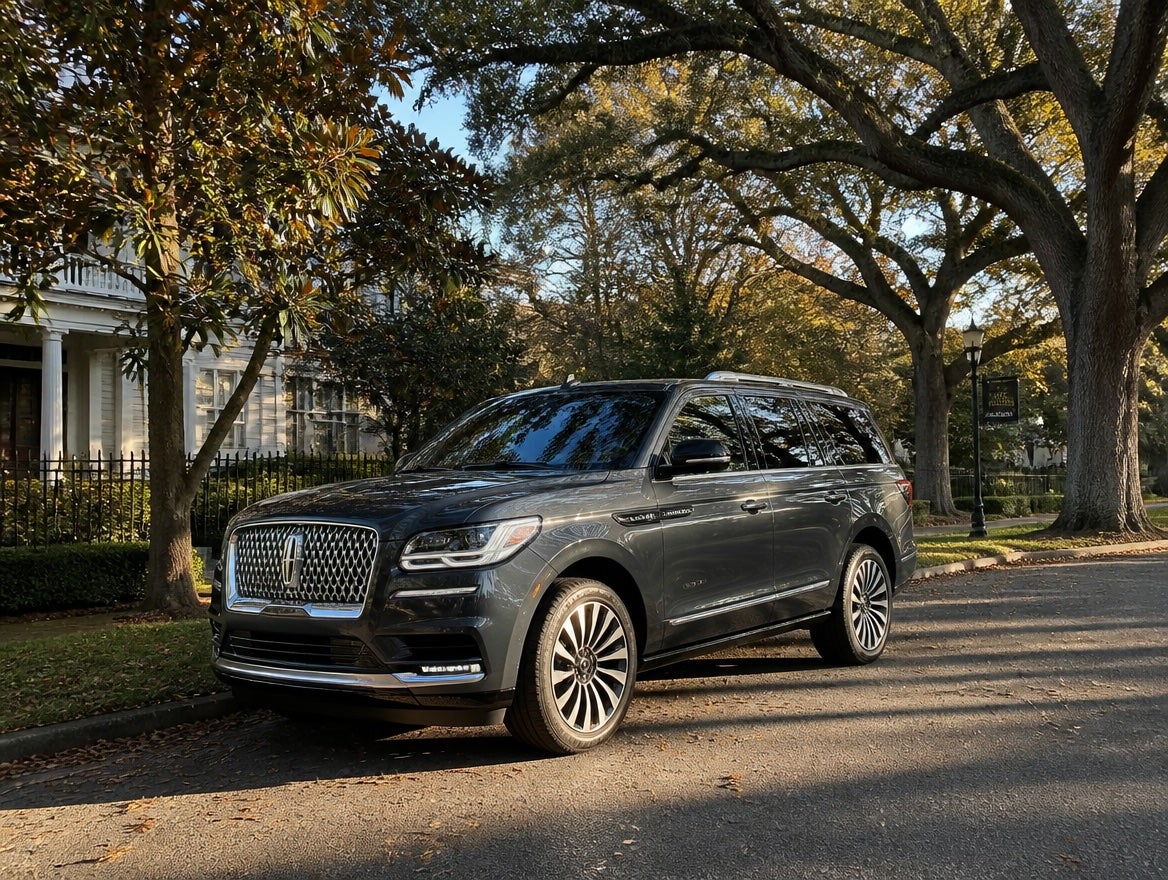
2026 Lincoln Navigator parked on a shaded east Montgomery street in autumn afternoon light

Should You Trade In Your Vehicle Before the End of the Year?

In this article Is "End of Year" Actually the Best Time to Trade In Your Vehicle? What the Alabama Tax Credit Actually Means for a Lincoln Transaction The One Scenario Where December 31 Is a Hard Deadline So What Should You Actually Do Before December 31? November arrives in Montgomery with the first genuinely cooler air, and a question rides in alongside it, steady as ever. People want to know whether right now is the best time to trade in a vehicle. The assumption underneath runs like this: end-of-year equals peak trade-in value, dealers are desperate for inventory, and waiting a few weeks will cost you. We get why it lands that way. The belief is mostly wrong, though, and the slice of it that holds up behaves differently than you'd think. So here's the version worth keeping. The best time to buy a new Lincoln is often Q4. The best time to maximize your trade-in value is typically Q1 or Q2. Both land at once in late December, and knowing which side of the equation you're working matters more than the date. The short version The myth: trading in before December 31 maximizes your vehicle's value. The reality: Q4 is generally the softer season for trade-in offers, not the stronger one. The genuine year-end advantage is on the buying side. Dealers want to close the year strong, which creates real motivation to work with you on your new vehicle. Alabama gives you a full trade-in sales tax credit when the trade and purchase happen in the same dealer transaction, per revenue.alabama.gov. That benefit exists in January just as much as December. If you use your vehicle for business, 2026 bonus depreciation is at 100% (now permanent), which makes December 31 a hard deadline worth taking seriously. The right answer is: know your equity position, know Alabama's tax rule, and time the transaction around your personal situation rather than a calendar myth. We work with clients on Eastern Boulevard who've owned Lincoln vehicles for fifteen or twenty years. The ones who get the most from every transaction understand a few mechanics that the year-end advertising noise tends to obscure. A 2026 Lincoln Navigator sitting on our lot right now carries value on both sides of this question. Let's get into the substance. Is "End of Year" Actually the Best Time to Trade In Your Vehicle? For trade-in value specifically the answer is no, though for your overall transaction it depends entirely on what you're optimizing, since the buying side of a year-end deal can work in your favor at the exact moment the trade-in side works against you. One date, two goals pulling opposite ways. The pattern is well-documented and intuitive once you see it. Trade-in values tend to be higher in the first two quarters of the year, with larger drops in the final two. There are more buyers in the market early in the year, and dealerships need more cars to feed demand. A used vehicle also feels meaningfully newer when it's eight or ten months away from turning a model year older rather than just two or four months away. By November, your 2022 or 2023 vehicle is visually closer to being a "three-year-old" or "four-year-old" car in the eyes of a wholesale buyer. The Claim What's Actually True Source "Dealers are desperate for trade-ins at year-end, so values spike." Wholesale used-vehicle demand peaks in Q1-Q2 when retail buyers return to market. Q4 values are typically softer. Documented industry depreciation seasonality "My car loses value every month I wait, so trading now stops the bleeding." Depreciation averages about 30.5% in the first year, then slows to roughly 7.7% in year two and 6.8% in year three. The rate slows as the vehicle ages, so the "bleeding" is not uniform. Edmunds depreciation data "Alabama doesn't give me a tax break on a trade-in, so it doesn't matter when I do it." Alabama gives a full trade-in credit: tax is figured on the net difference when an automotive vehicle is taken in trade toward a new or used automotive vehicle, per revenue.alabama.gov. Alabama Department of Revenue "I can sell my car privately and still get the Alabama tax credit on my new purchase." Alabama's credit applies to retail dealer transactions only. The trade must be part of one dealer deal. Sell your old vehicle separately, even the same afternoon, and the credit is gone. revenue.alabama.gov "Year-end is good for buyers OR for traders, not both." Year-end is genuinely good for buyers (dealer motivation). The trade-in value question is separate and depends on your equity, model, and mileage position. Industry seasonality + Alabama DOR Five distinct claims sit in that table. Only one is cleanly true without qualification, the Alabama tax credit, and that one is worth understanding before you make any move. What the Alabama Tax Credit Actually Means for a Lincoln Transaction The Alabama trade-in credit means your sales tax gets figured on the net difference rather than on the full price of the new vehicle, which is the single piece of this year-end conversation that deserves more attention than the advertising usually gives it. In Alabama a trade-in is deducted before tax is calculated. The state sales tax on automotive vehicles is 2% of the gross proceeds of the sale, but that percentage applies to the net difference, not to the full purchase price of your new vehicle, when you trade at a licensed dealer in the same transaction. Montgomery carries local tax on top of the state rate, which pushes your combined rate higher than 2% alone. The trade-in credit can generate substantial tax savings at the combined state and local rate. In Montgomery's tax geography your savings move in the same direction and are real money on a Lincoln transaction, where trade values can run considerably higher than baseline estimates. Alabama's trade-in sales tax credit has no calendar expiration. It applies on January 3rd the same way it applies on December 29th, as long as the trade and purchase happen in the same dealer transaction. All of which separates the Alabama tax advantage from the year-end urgency framing. The credit isn't going anywhere. What shifts in Q1 is the wholesale demand sitting behind your trade-in. Put those two forces together, a stronger trade offer in Q1 alongside a tax credit that works year-round, and they're worth weighing against the one genuine Q4 advantage, dealer motivation. Where our team lands is simple. Clients who time this well stay clear-eyed about one thing, that they're not optimizing the trade-in in isolation. They're optimizing the whole transaction. Start with an honest appraisal of your trade's current value before you let the calendar decide for you. Get Your Trade-In Value The One Scenario Where December 31 Is a Hard Deadline A genuine year-end deadline does exist, and unlike the broader trade-in timing question, it applies to one specific group, business owners who can put bonus depreciation to work on a qualifying vehicle placed in service before the year closes. The deadline is firm for them, and loose for nearly everyone else. Bonus depreciation is at 100% for 2026, and to use it, you must finalize any vehicle purchases before the end of the calendar year and use that vehicle during the tax year in question. If you're a physician with a practice, an attorney with a firm, or a business owner who uses a vehicle for more than 50% business purposes, placing a qualifying vehicle in service by December 31, 2026 is a real tax-year event. The standard mileage rate for 2026 is 72.5 cents per business mile under the actual-expense method alternative, but business owners tracking actual expenses may qualify for the full depreciation benefit that makes December 31 a meaningful line. Per the IRS and updated for 2026: 100% first-year bonus depreciation is now permanent for eligible assets, including certain qualifying business vehicles. The vehicle must be placed in service during the tax year to count toward that year's deduction. IRS Section 168(k) / confirmed by multiple 2026 CPA guidance sources One note before you run with this. The tax mechanics are real and potentially significant, and they also depend on your business structure, your vehicle's business-use percentage, and your overall tax picture for the year. Take the details to your CPA, not to a dealership. What we can tell you plainly is that if your advisor has flagged a vehicle purchase before year-end, we're ready to work with you on timing. Buying the vehicle this year isn't enough on its own. You need to place it in service by year-end. So What Should You Actually Do Before December 31? Treat the calendar as one input rather than the entire decision, and work the question in order: your equity position, what your trade is genuinely worth today, the Alabama tax rule, and whether a year-end tax strategy even applies to you. Only one of those is tied to December 31, and it's the business-depreciation piece. The practical framework our team uses with clients who bring this in runs five steps. 1. Know your equity position first. If the trade-in value is worth more than the remaining balance on your loan, that equity is credited to the sale price of your next vehicle. If you owe more than your car is worth (negative equity), you'll need to cover that gap. If you're significantly upside-down, consider waiting until you have equity before trading in. 2. Understand what your trade is actually worth right now. Q4 values are softer than Q1 and Q2, but "softer" is a relative term. A 2022 or 2023 Lincoln Aviator in excellent condition with documented service history is a desirable used vehicle in any month. Condition, mileage relative to 12,000 miles per year as the baseline, and service documentation all move the number. 3. Apply the Alabama tax credit correctly. The trade and purchase must be in the same transaction at a licensed dealer. This benefit only applies when the trade-in and purchase happen at the same dealership in the same transaction. Sell privately and then buy separately, and you forfeit the tax credit on the entire purchase. 4. If you're a business owner with a year-end tax strategy, act now. The December 31 deadline for 100% bonus depreciation is firm. A Lincoln Navigator L or Aviator used more than 50% for business is a qualifying asset. Talk to your CPA, then come talk to us. 5. If none of the above apply, don't let the ads rush you. The best transaction is the one that fits your financial picture and your next chapter. The end-of-year sales period is the best time for buying a new car, but trade-in numbers favor a different time of year. If you're in a position to take advantage of dealer year-end motivation on the buy side while your trade still carries strong equity, that combination can work. If not, January and February will treat your trade-in well. We're here either way. Most states give a full trade-in credit, with sales tax charged on the price after your trade-in comes off and no dollar limit, and in Alabama that holds in any month you walk through our door. Frequently Asked Questions Does trading in my car before December 31 give me a better trade-in offer? Not typically. Trade-in values in the automotive market tend to run higher in the first half of the year, when retail demand for used vehicles is strongest and your vehicle is farther from its next model-year rollover. Year-end is generally a stronger time to buy a new vehicle, because dealers are motivated to close the year well. The trade-in value and the purchase terms are two separate negotiating points, and conflating them is what leads to timing decisions built on the wrong logic. Does Alabama reduce my sales tax when I trade in a vehicle? Yes. Per the Alabama Department of Revenue, when a used automotive vehicle is taken in trade as credit or partial payment on the purchase of a new or used automotive vehicle, the sales tax is calculated on the net difference between the two vehicles' values. Alabama's state automotive sales tax rate is 2%, with local add-ons that vary by county and city. This credit applies only when the trade and purchase happen in the same dealer transaction. Selling your vehicle privately and then buying separately forfeits the credit entirely. Explore Your Financing Options Stivers Lincoln of Montgomery 4000 Eastern Blvd, Montgomery, AL 36116 (334) 647-6905